
















Copyright: ©Author(s) 2026.
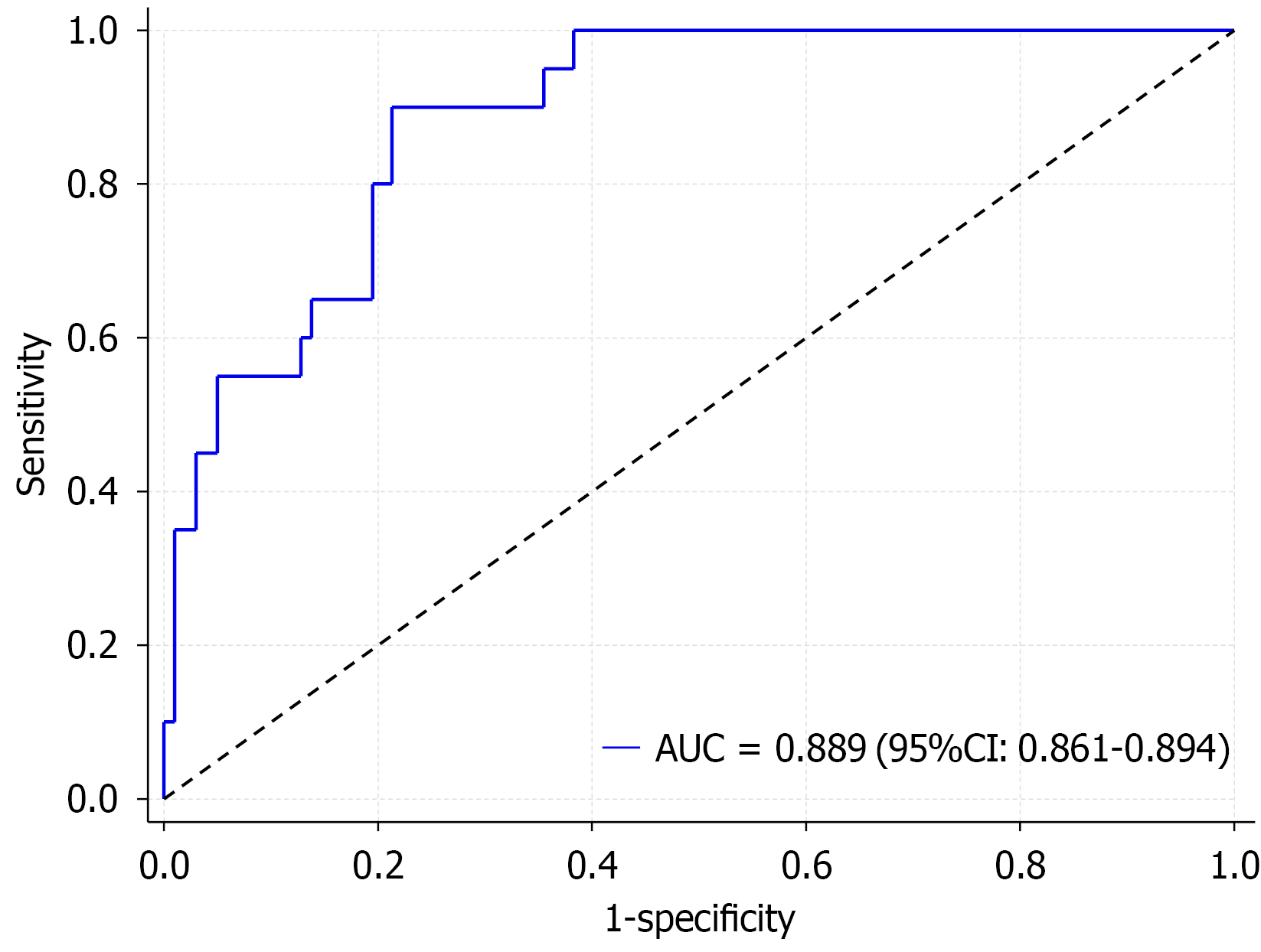
Figure 1 Receiver operating characteristic curve of the Fast Assessment Score for triage in heart failure multivariable model for predicting in-hospital mortality.
The model showed excellent discriminative performance for predicting in-hospital mortality, with an area under the curve of 0.889 (95%CI: 0.861-0.894). AUC: Area under the curve.
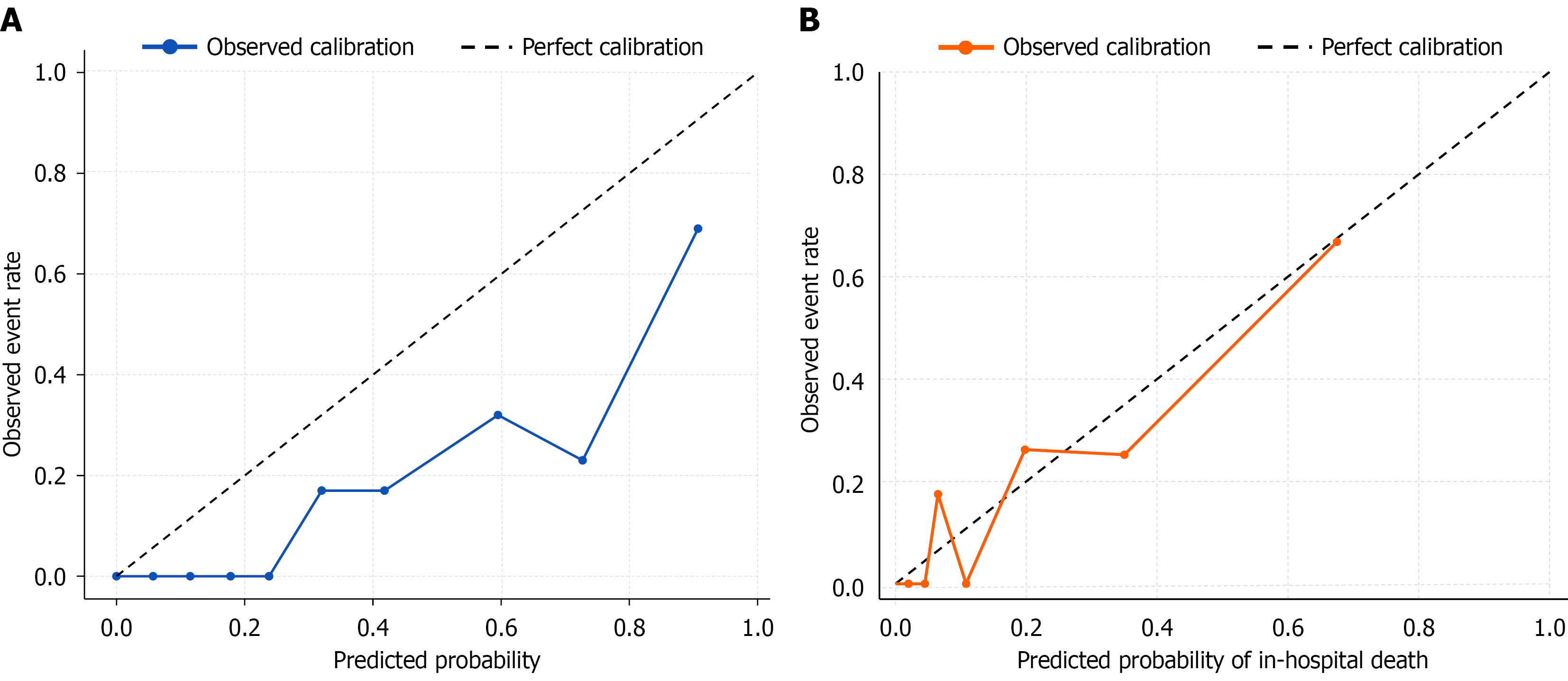
Figure 2 Calibration plot.
A: The Fast Assessment Score for triage in heart failure (FAST-HF) multivariable model for in-hospital mortality prediction. Calibration analysis showed acceptable agreement between predicted and observed mortality probabilities; B: The FAST-HF bedside score for in-hospital mortality prediction. The bedside FAST-HF score showed acceptable calibration, with observed mortality rates generally.
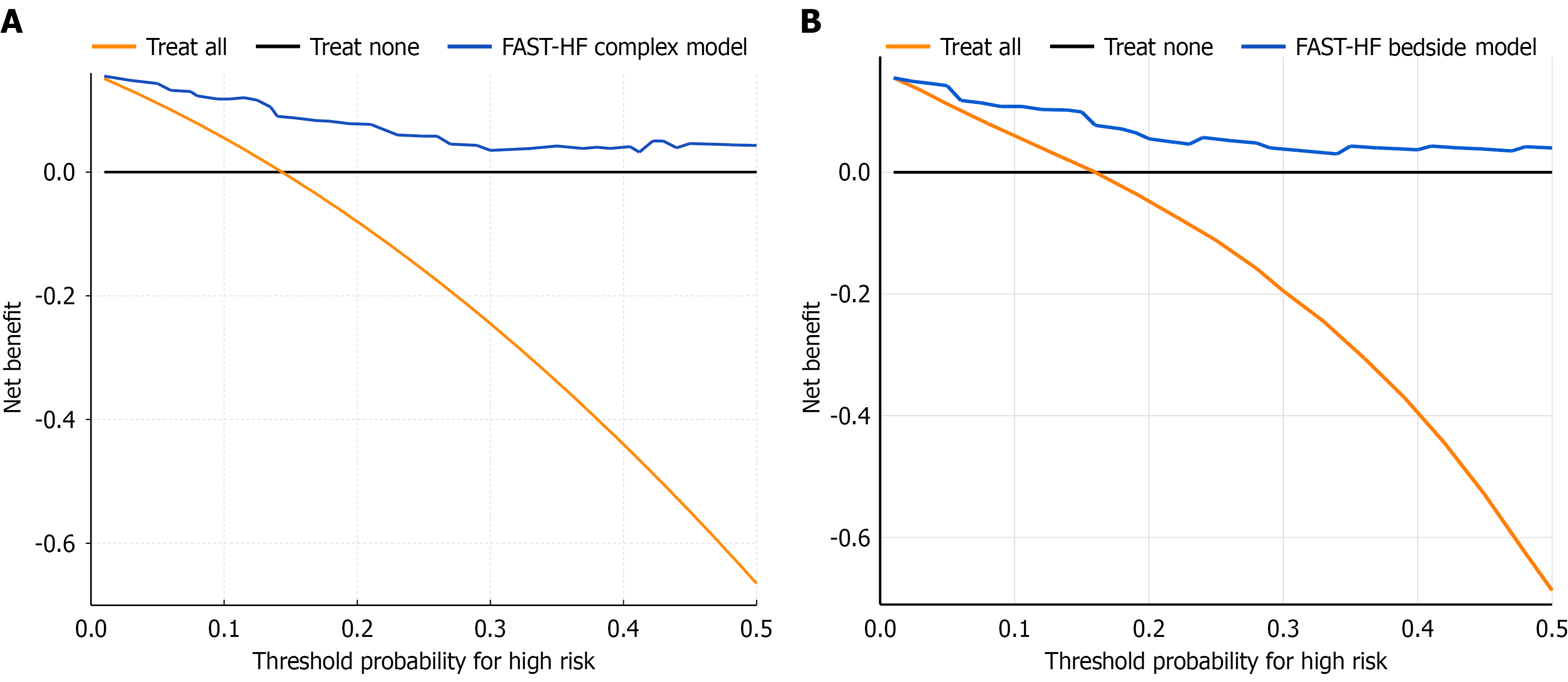
Figure 3 Decision curve analysis.
A: The Fast Assessment Score for triage in heart failure (FAST-HF) multivariable model for in-hospital mortality. Decision curve analysis demonstrated that the FAST-HF multivariable model provided a greater net benefit than both default strategies (“treat all” and “treat none”) across a clinically relevant range of threshold probabilities; B: The FAST-HF bedside score for in-hospital mortality prediction. The bedside score showed a positive net benefit across the evaluated threshold probabilities, suggesting potential clinical usefulness compared with treat-all and treat-none strategies. FAST-HF: Fast Assessment Score for triage in heart failure.
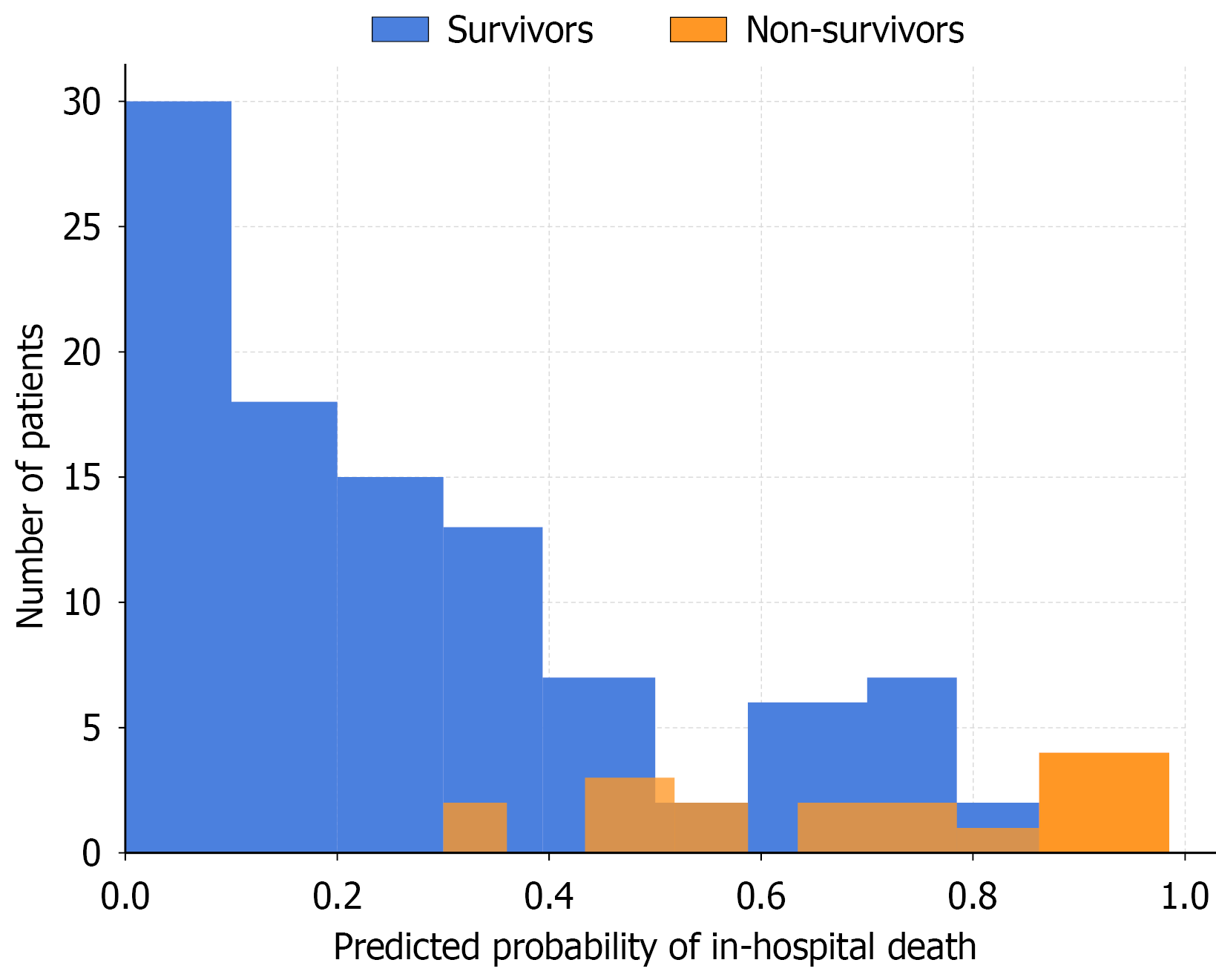
Figure 4 Distribution of Fast Assessment Score for triage in heart failure-predicted in-hospital mortality probabilities according to survival status.
Non-survivors showed higher predicted mortality probabilities than survivors, supporting the model’s ability to separate risk groups.
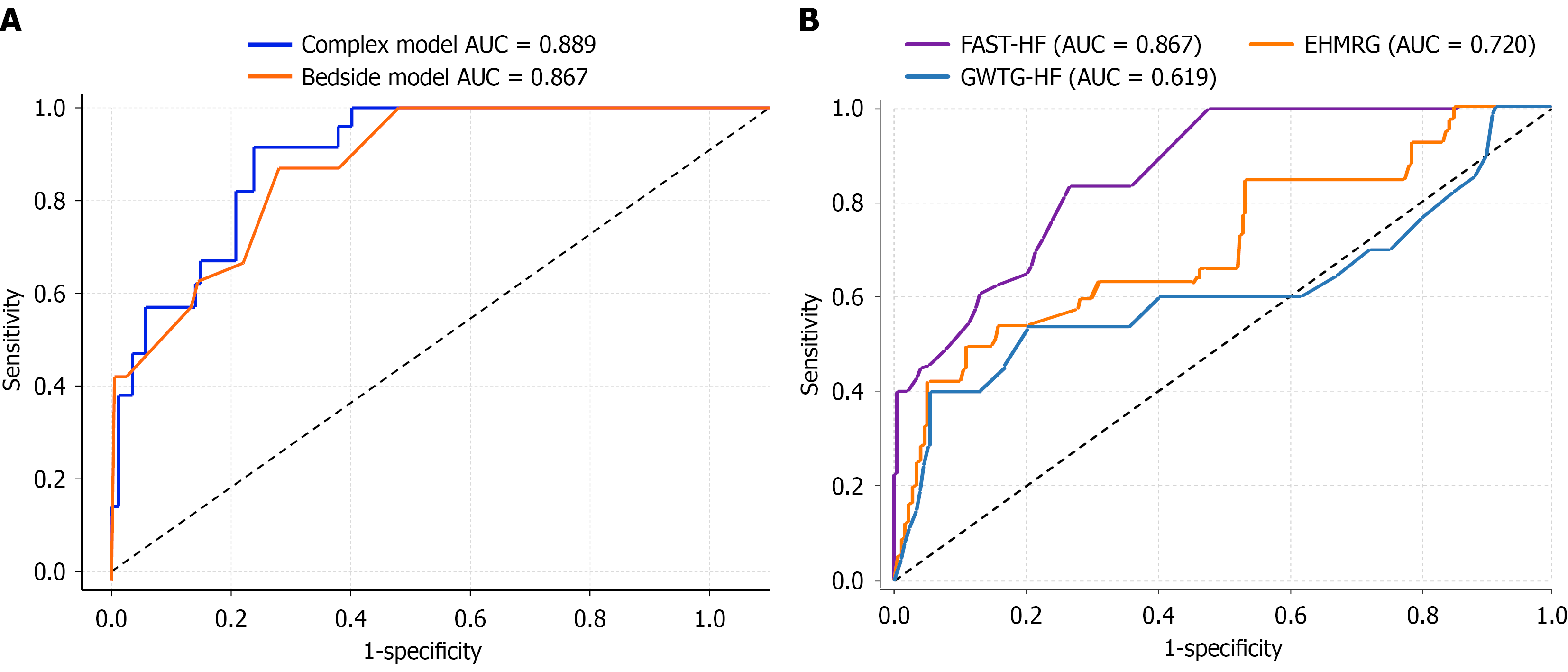
Figure 5 Comparison of receiver operating characteristic curves.
A: For the Fast Assessment Score for triage in heart failure (FAST-HF) multivariable model and the bedside point score. The bedside Fast Assessment Score for triage in heart failure score showed discrimination close to that of the continuous multivariable model, with area under the curve (AUC) values of 0.867 and 0.889, respectively; B: FAST-HF, Emergency Heart Failure Mortality Risk Grade and Get with the Guidelines-heart failure for predicting in-hospital mortality. FAST-HF showed higher discriminatory performance than the established scores in this cohort, with AUC values of 0.867, 0.720 and 0.619, respectively. FAST-HF: Fast Assessment Score for triage in heart failure; EHMRG: Emergency Heart Failure Mortality Risk Grade; GWTG-HF: Get with the Guidelines-heart failure; AUC: Area under the curve.
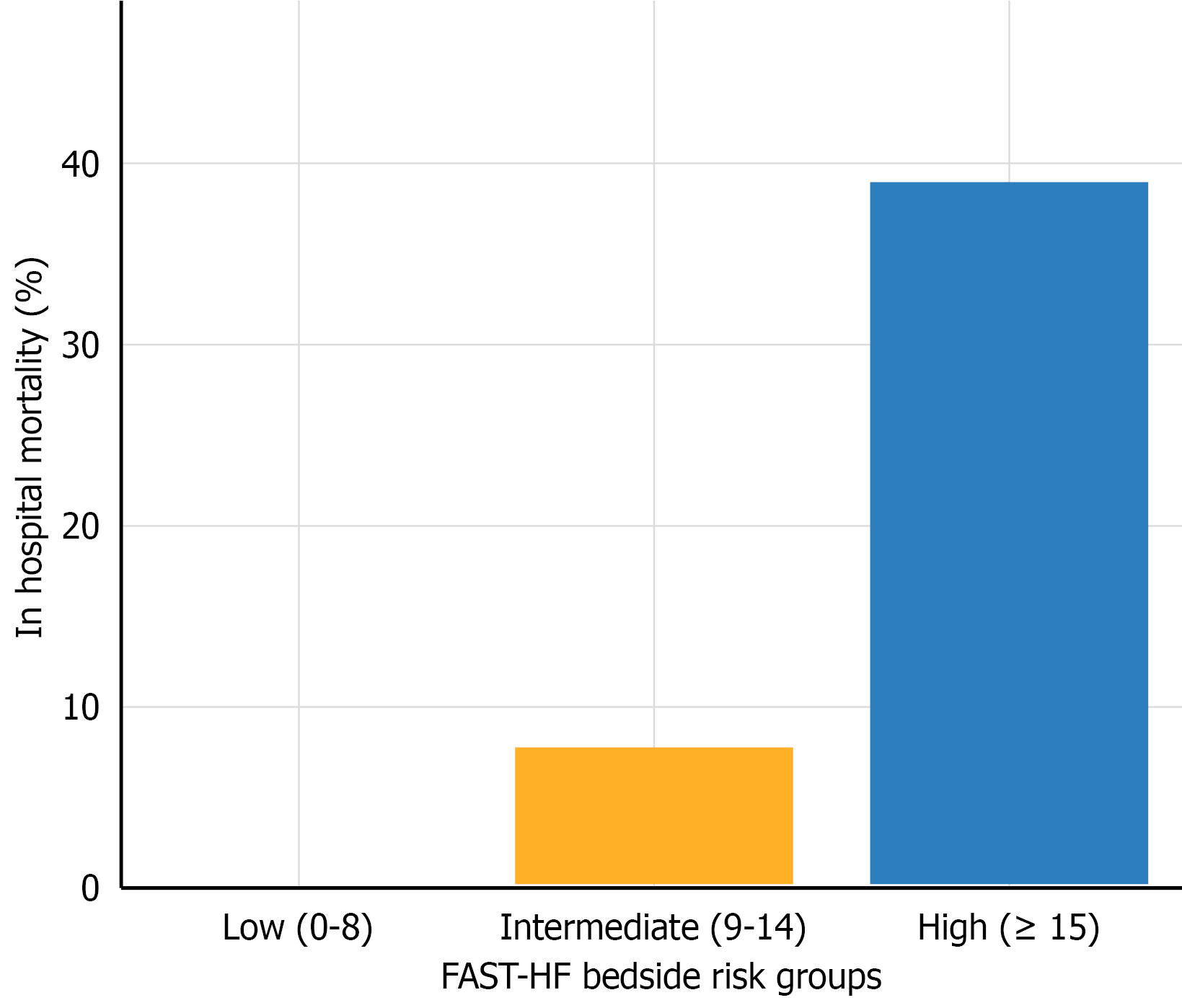
Figure 6 In-hospital mortality across Fast Assessment Score for triage in heart failure bedside risk groups.
Patients were classified as low-risk (0-8 points), intermediate-risk (9-14 points) and high-risk group (≥ 15 points). Mortality increased progressively across categories. FAST-HF: Fast Assessment Score for triage in heart failure.
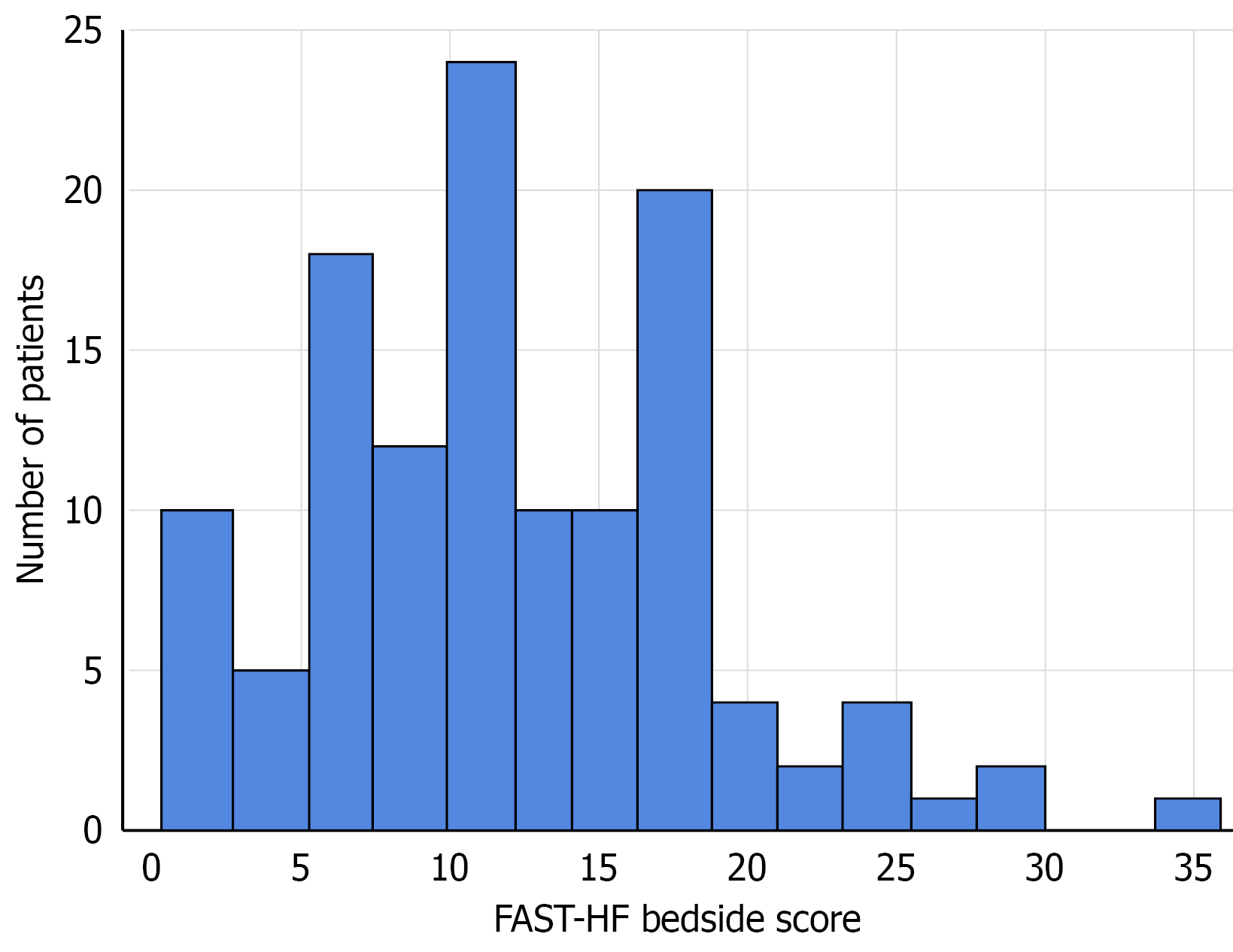
Figure 7 Distribution of the Fast Assessment Score for triage in heart failure bedside score in the study cohort.
The histogram showed a broad distribution among patients with acute heart failure. FAST-HF: Fast Assessment Score for Triage in heart failure.
- Citation: Diaconu M, Popescu DC, Țînț D, Nechita AC. Development and internal validation of a rapid bedside score for predicting in-hospital mortality in acute heart failure. World J Cardiol 2026; 18(9): 124786
- URL: https://www.wjgnet.com/1949-8462/full/v18/i9/124786.htm
- DOI: https://dx.doi.org/10.4330/wjc.124786