
















Copyright: ©Author(s) 2026.
World J Gastrointest Surg. Nov 27, 2026; 18(11): 125757
Published online Nov 27, 2026. doi: 10.4240/wjgs.125757
Published online Nov 27, 2026. doi: 10.4240/wjgs.125757
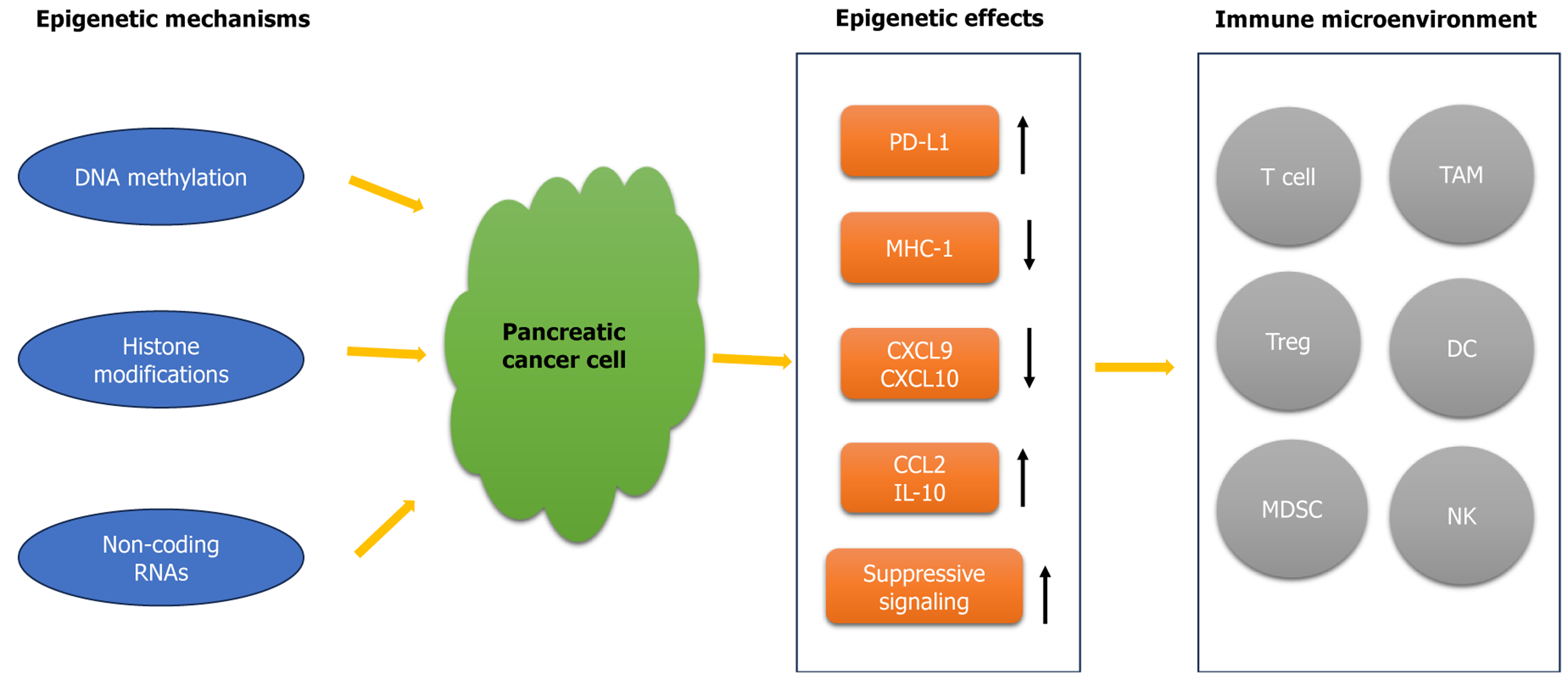
Figure 1 Epigenetic reprogramming and immune microenvironment crosstalk in pancreatic ductal adenocarcinoma.
Major epigenetic alterations, including DNA methylation, histone modifications, non-coding RNAs, and chromatin remodeling, interact with immune components in the pancreatic tumor microenvironment. These epigenetic events may regulate chemokine expression, antigen presentation, immune checkpoint activity, macrophage polarization, myeloid-derived suppressor cell recruitment, Treg accumulation, and cytotoxic T-cell dysfunction. PD-L1: Programmed death-ligand 1; CTLA-4: Cytotoxic T-lymphocyte-associated protein 4; CXCL9/CXCL10: C-X-C motif chemokine ligand 9/10; CCL2: C-C motif chemokine ligand 2; IL-10: Interleukin-10; TAM: Tumor-associated macrophage; MDSC: Myeloid-derived suppressor cell; Treg: Regulatory T cell; NK: Natural killer.
- Citation: Li JQ, Zhao HG, Cai HQ. Epigenetic-immune landscape of pancreatic ductal adenocarcinoma: From tumor biology to multimodal treatment in the surgical setting. World J Gastrointest Surg 2026; 18(11): 125757
- URL: https://www.wjgnet.com/1948-9366/full/v18/i11/125757.htm
- DOI: https://dx.doi.org/10.4240/wjgs.125757