
















Copyright: ©Author(s) 2026.
World J Gastrointest Surg. Nov 27, 2026; 18(11): 124213
Published online Nov 27, 2026. doi: 10.4240/wjgs.124213
Published online Nov 27, 2026. doi: 10.4240/wjgs.124213
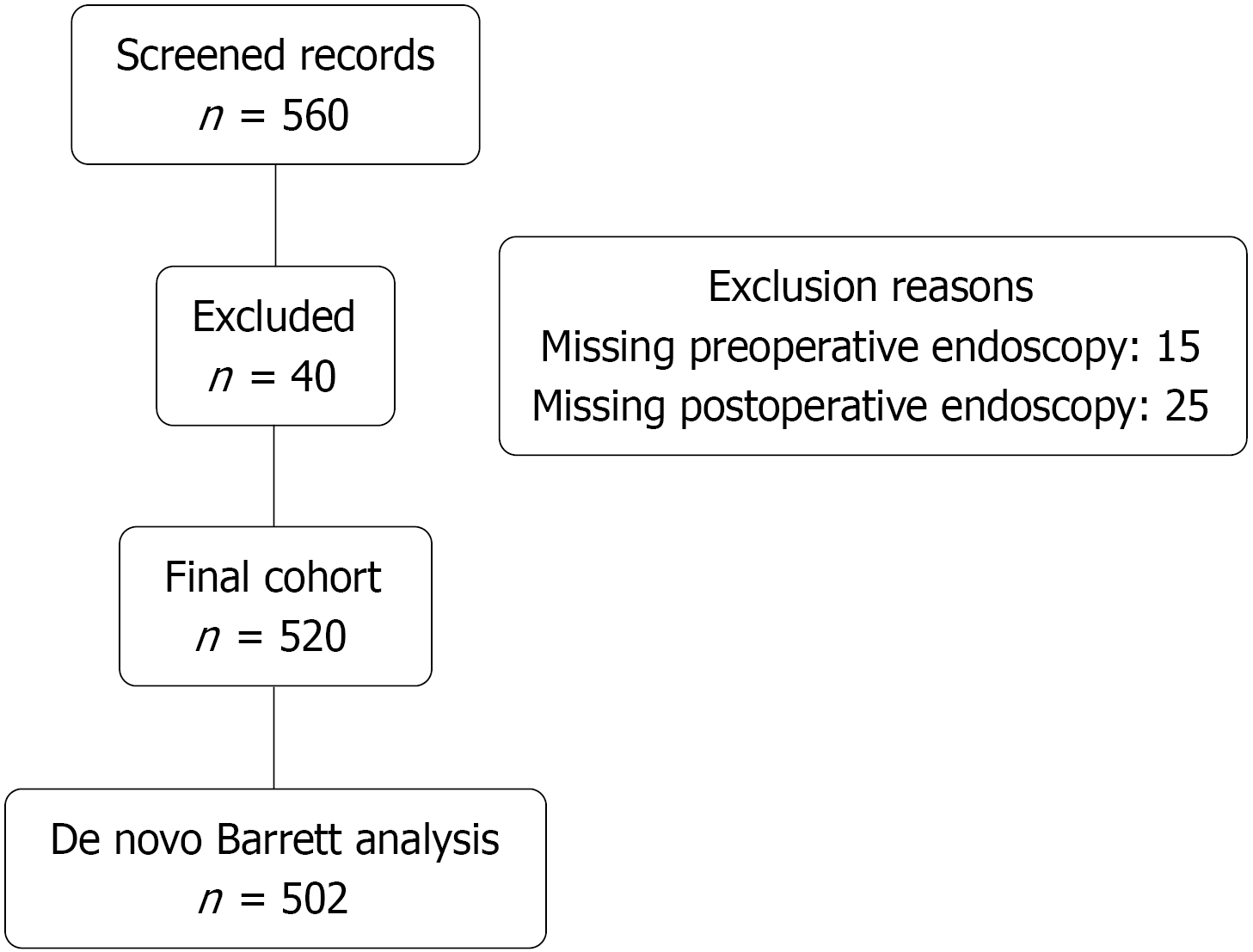
Figure 1 Study flow diagram.
The exclusion criteria are shown in a separate box. The de novo Barrett’s esophagus cohort excluded patients with preoperative Barrett’s esophagus.
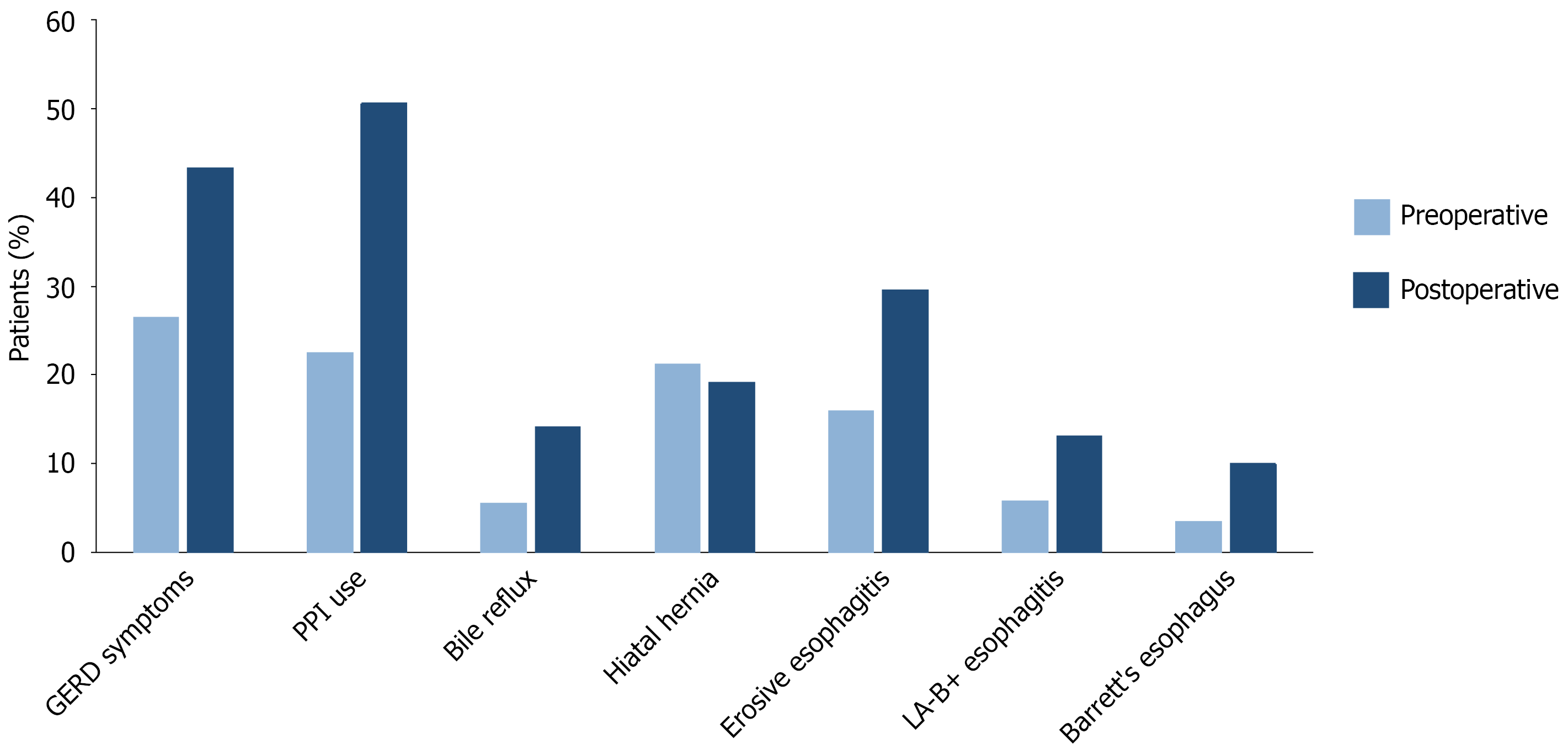
Figure 2 Preoperative vs postoperative reflux-related findings.
GERD: Gastroesophageal reflux disease; PPI: Proton pump inhibitor; LA-B+: Los Angeles grade B or higher.
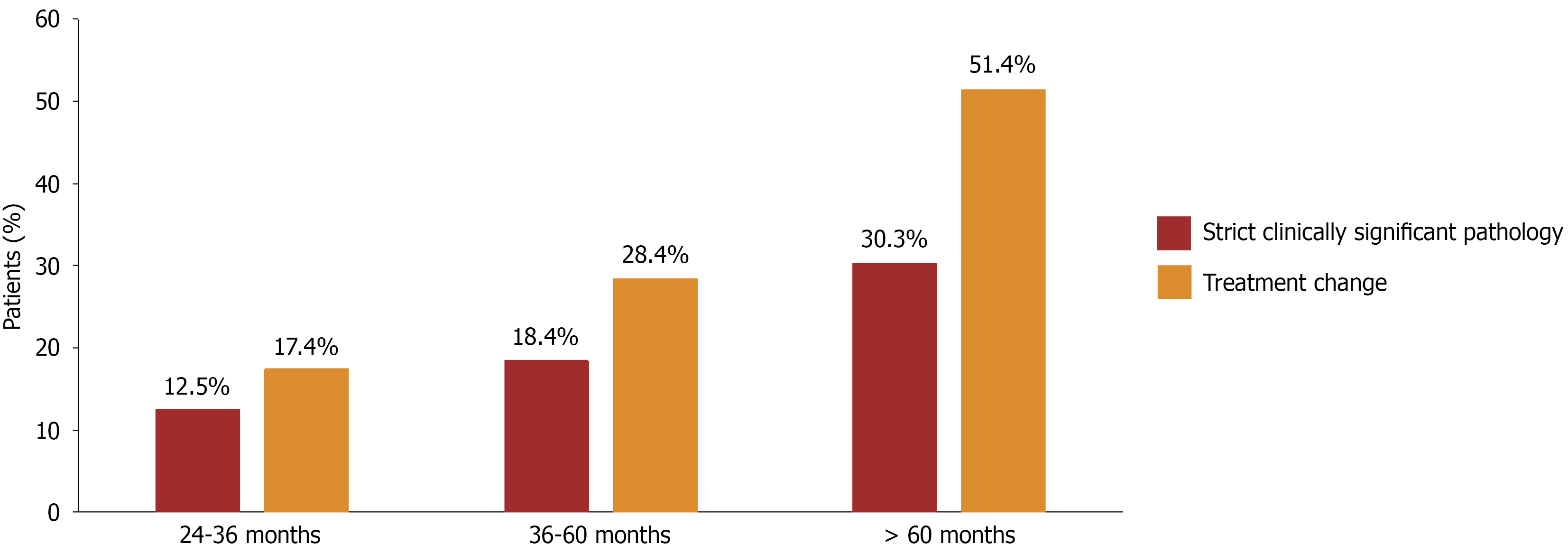
Figure 3 Strict clinically significant endoscopic pathology and treatment changes by follow-up duration.
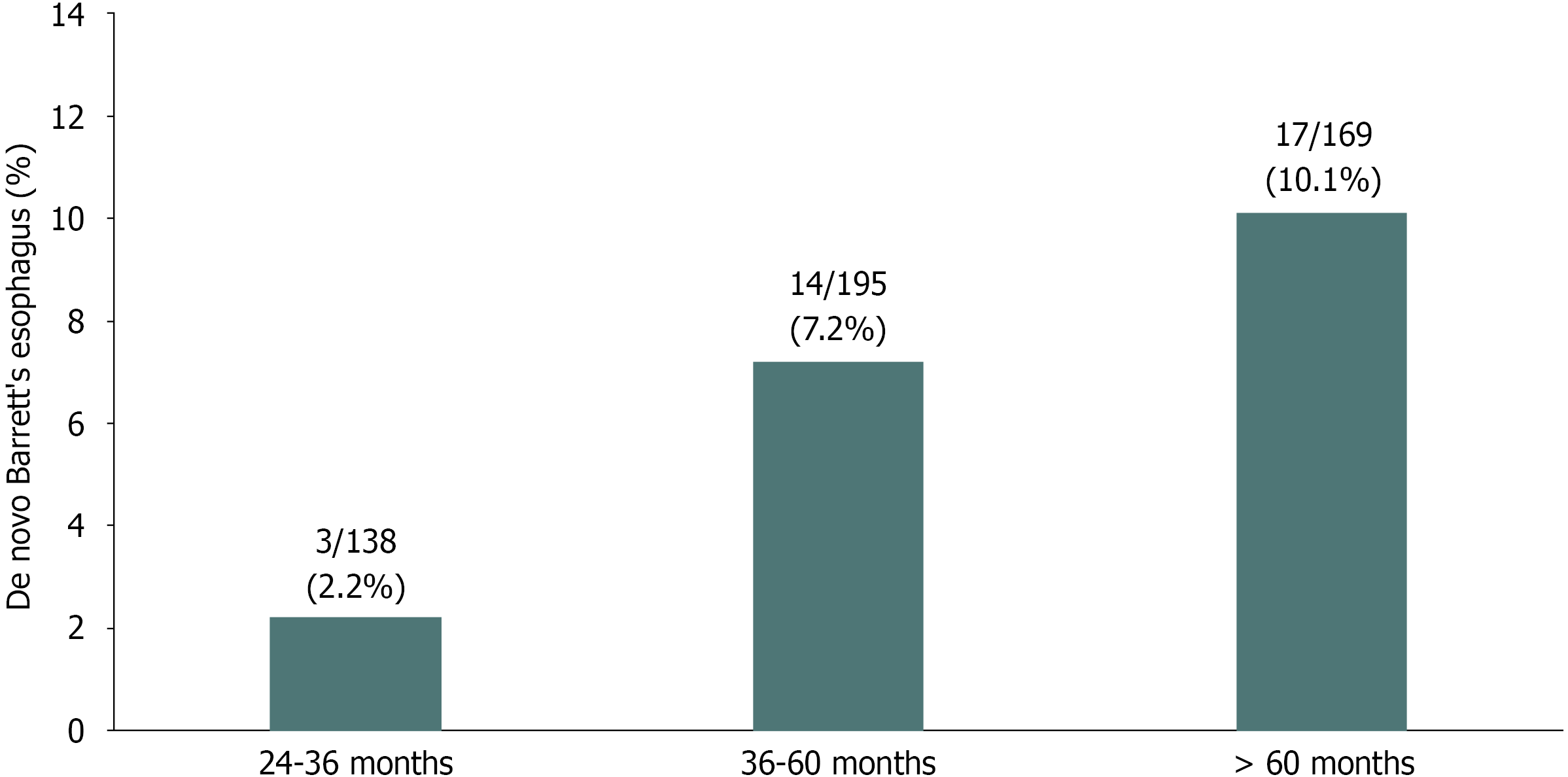
Figure 4 De novo Barrett’s esophagus by follow-up duration using corrected eligible denominators: 3/138 (2.
2%), 14/195 (7.2%), and 17/169 (10.1%).
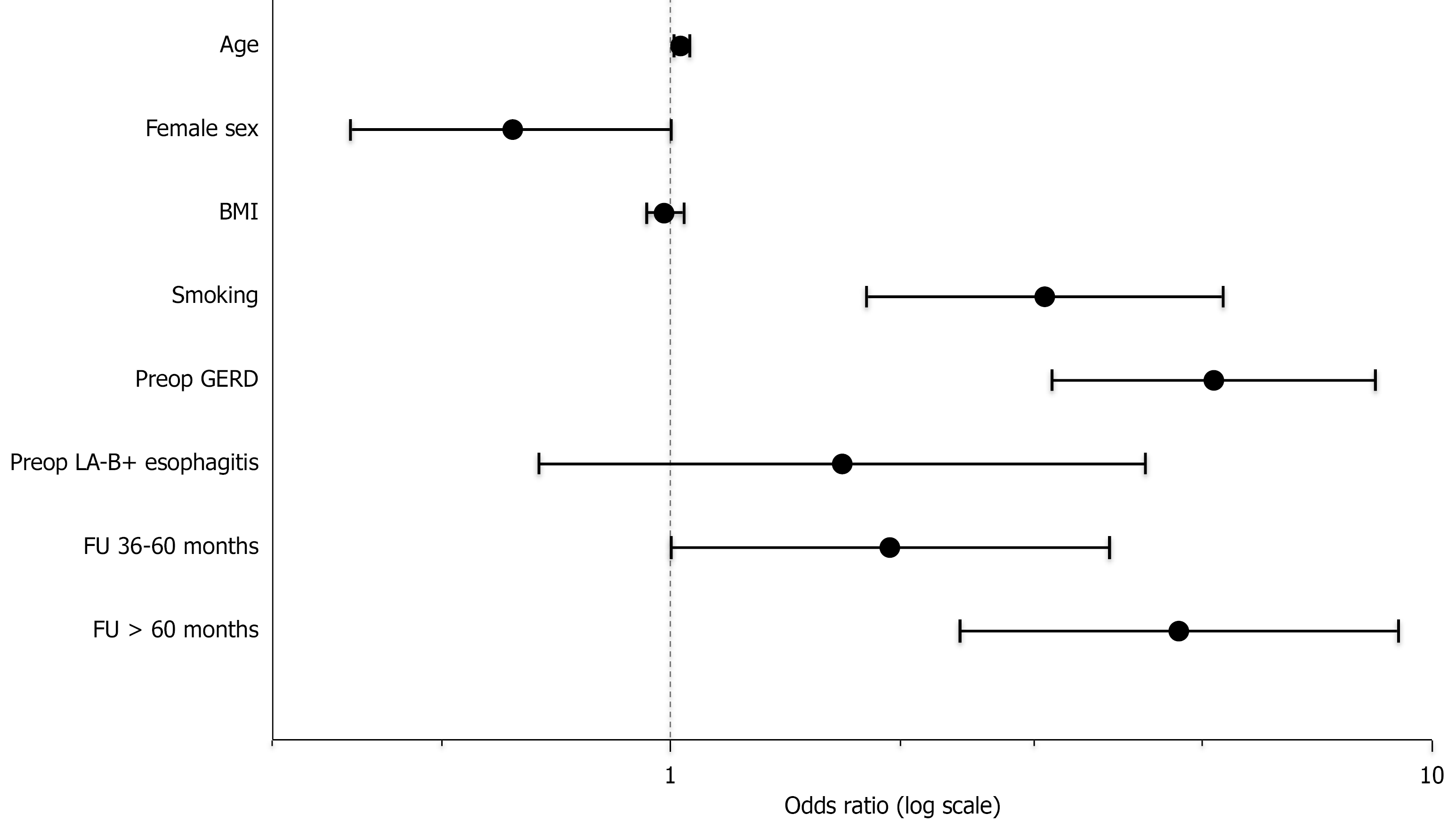
Figure 5 Forest plot of multivariable predictors of strict clinically significant postoperative endoscopic pathology after the removal of preoperative Barrett’s esophagus because of sparse data instability.
The reference group for the follow-up duration was 24-36 months. GERD: Gastroesophageal reflux disease; BMI: Body mass index; LA-B+: Los Angeles grade B or higher.
- Citation: Aslan S, Soyer HV, Adiguzel MH, Sayar S. Time-dependent burden of reflux-related endoscopic pathology after sleeve gastrectomy: Clinical value of surveillance endoscopy in a 520-patient cohort. World J Gastrointest Surg 2026; 18(11): 124213
- URL: https://www.wjgnet.com/1948-9366/full/v18/i11/124213.htm
- DOI: https://dx.doi.org/10.4240/wjgs.124213