
















Copyright: ©Author(s) 2026.
World J Gastrointest Oncol. Dec 15, 2026; 18(12): 125722
Published online Dec 15, 2026. doi: 10.4251/wjgo.125722
Published online Dec 15, 2026. doi: 10.4251/wjgo.125722
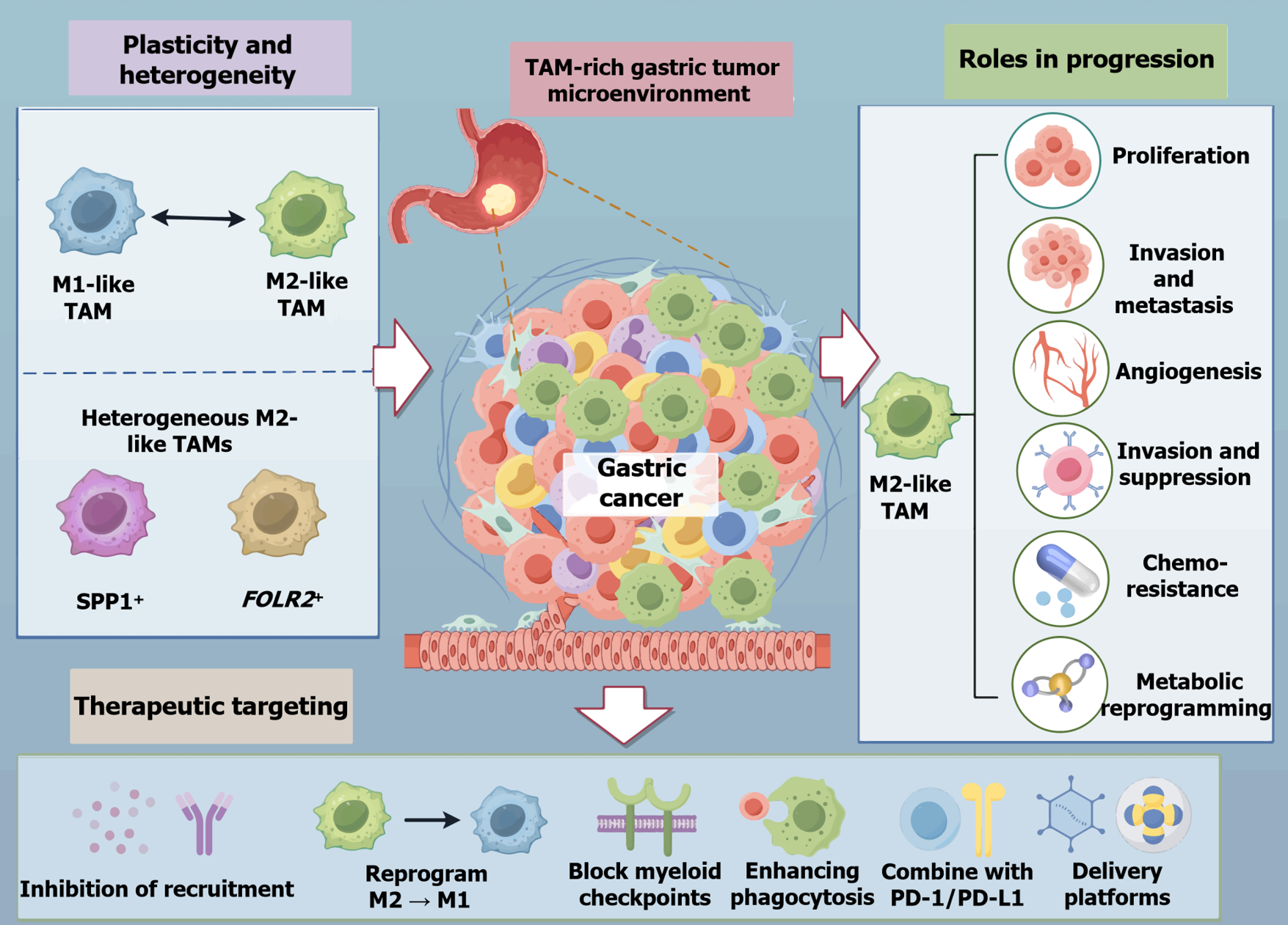
Figure 1 Tumor-associated macrophages undergo recruitment, adaptation, and phenotypic remodeling in the gastric cancer micro
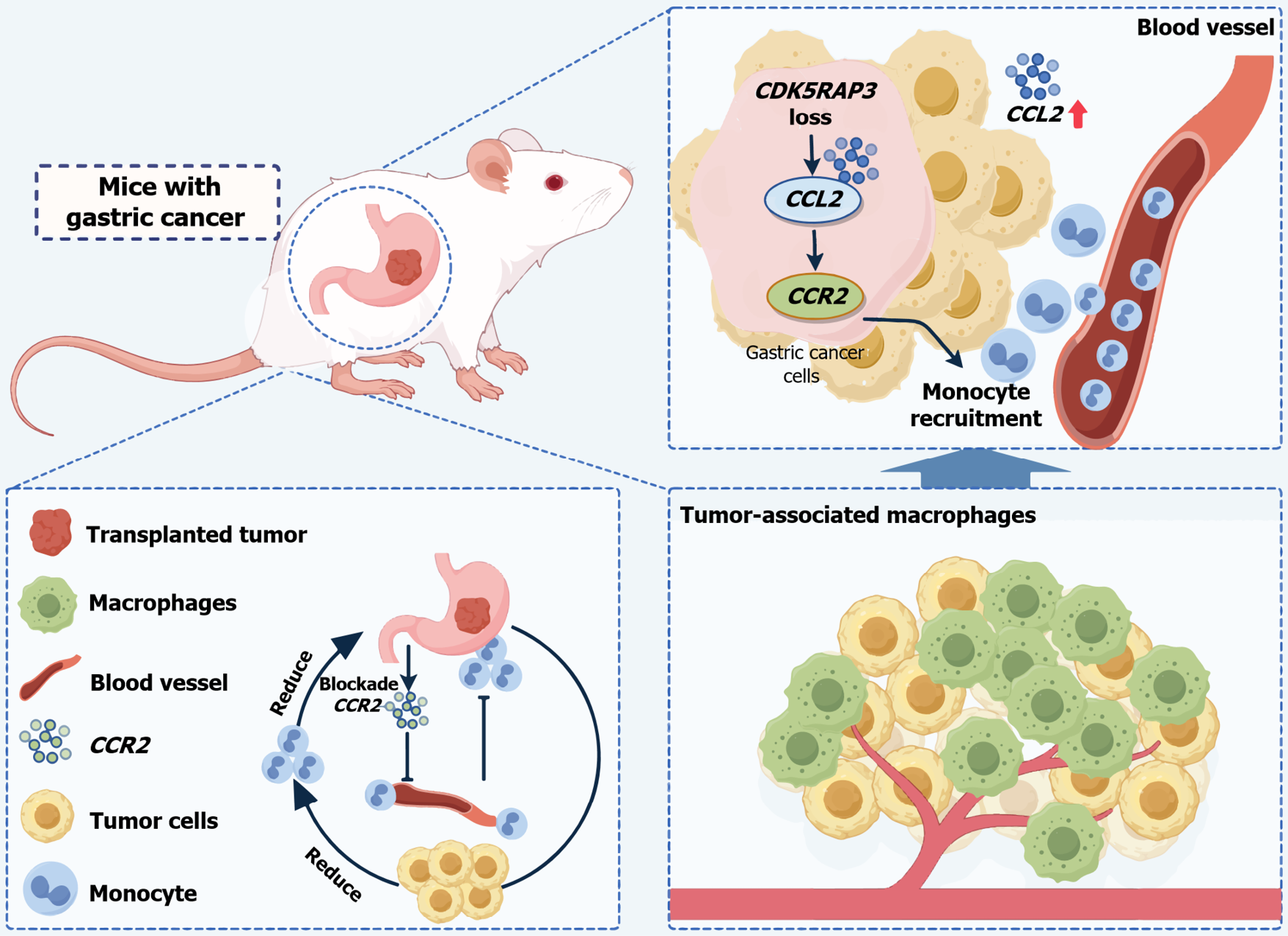
Figure 2 CDK5RAP3 loss activates CCL2/CCR2 signaling in gastric cancer.
The schematic summarizes how CDK5RAP3 loss enhances CCL2/CCR2 signaling and monocyte/macrophage recruitment, contributing to tumor progression. Evidence labels: Animal; In vitro; Human observational associations.
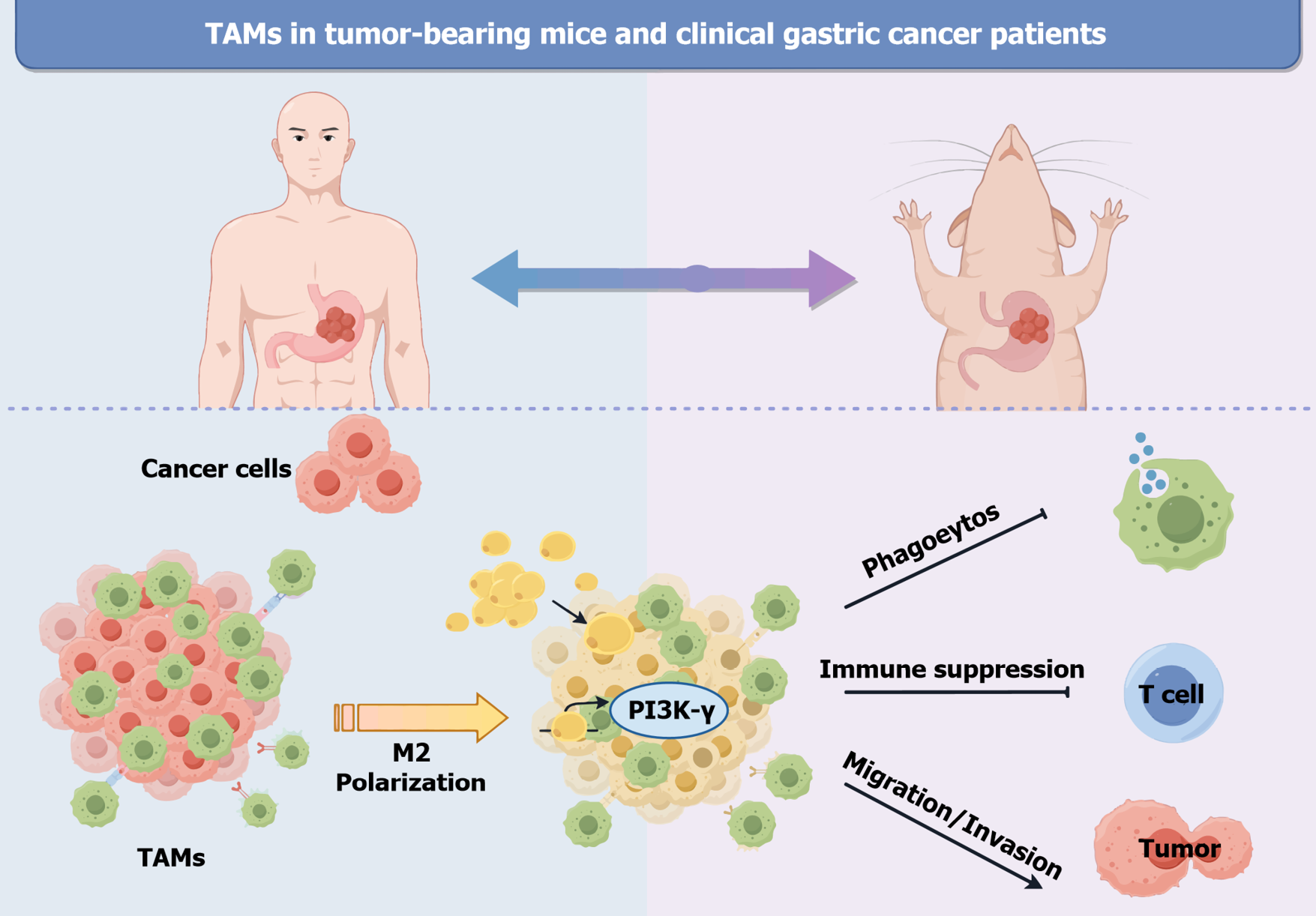
Figure 3 High-lipid tumor-associated macrophages display M2-like polarized features.
The figure summarizes lipid accumulation in tumor-associated macrophages and its association with M2-like polarization, impaired phagocytosis, programmed cell death ligand 1 upregulation, and immunosuppressive functions. Evidence labels: Human observational; Animal; In vitro. TAM: Tumor-associated macrophages; PI3K: Phosphatidylinositol 3-kinase.
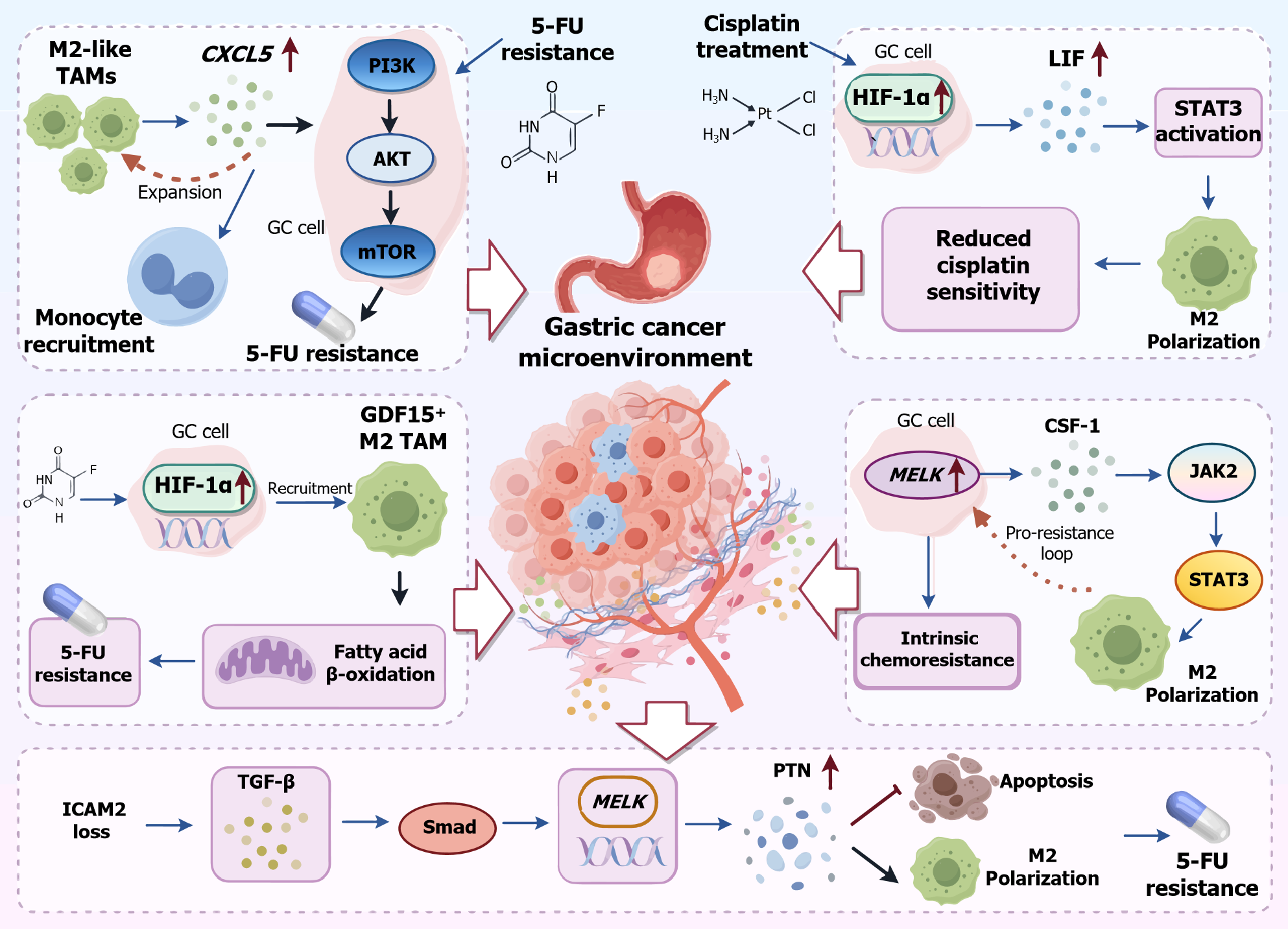
Figure 4 Tumor-associated macrophage-derived paracrine signaling promotes chemoresistance in gastric cancer.
The figure summarizes signals exchanged between tumor-associated macrophages and tumor cells that support drug resistance. Evidence labels: In vitro; Animal; Human observational associations. TAM: Tumor-associated macrophages; PI3K: Phosphatidylinositol 3-kinase; AKT: Protein kinase B; mTOR: Mammalian target of rapamycin; GC: Gastric cancer; 5-FU: 5-fluorouracil; HIF: Hypoxia inducible factor; GDF15: Growth differentiation factor 15; TGF: Transforming growth factor; PTN: Pleiotrophin; LIF: Leukemia inhibitory factor; STAT: Signal transducer and activator of transcription; CSF: Colony-stimulating factor; JAK2: Janus kinase 2.
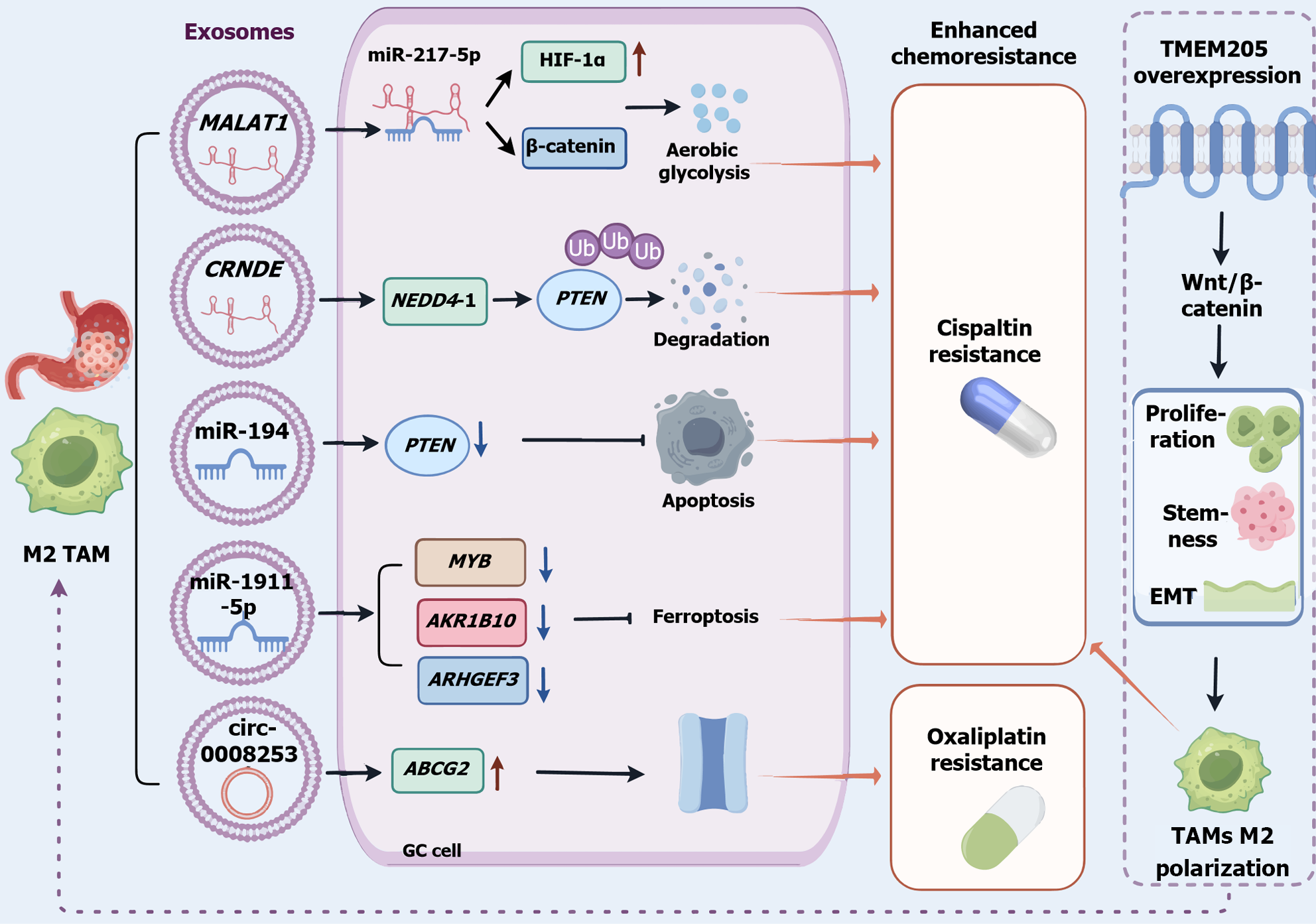
Figure 5 M2 tumor-associated macrophage-derived exosomal non-coding RNAs drive chemoresistance in gastric cancer.
The figure shows how M2 tumor-associated macrophages-derived exosomal RNAs contribute to resistance-associated signaling in gastric cancer cells. Evidence labels: In vitro; Animal. HIF: Hypoxia inducible factor; TAM: Tumor-associated macrophages; GC: Gastric cancer; EMT: Epithelial-mesenchymal transition.
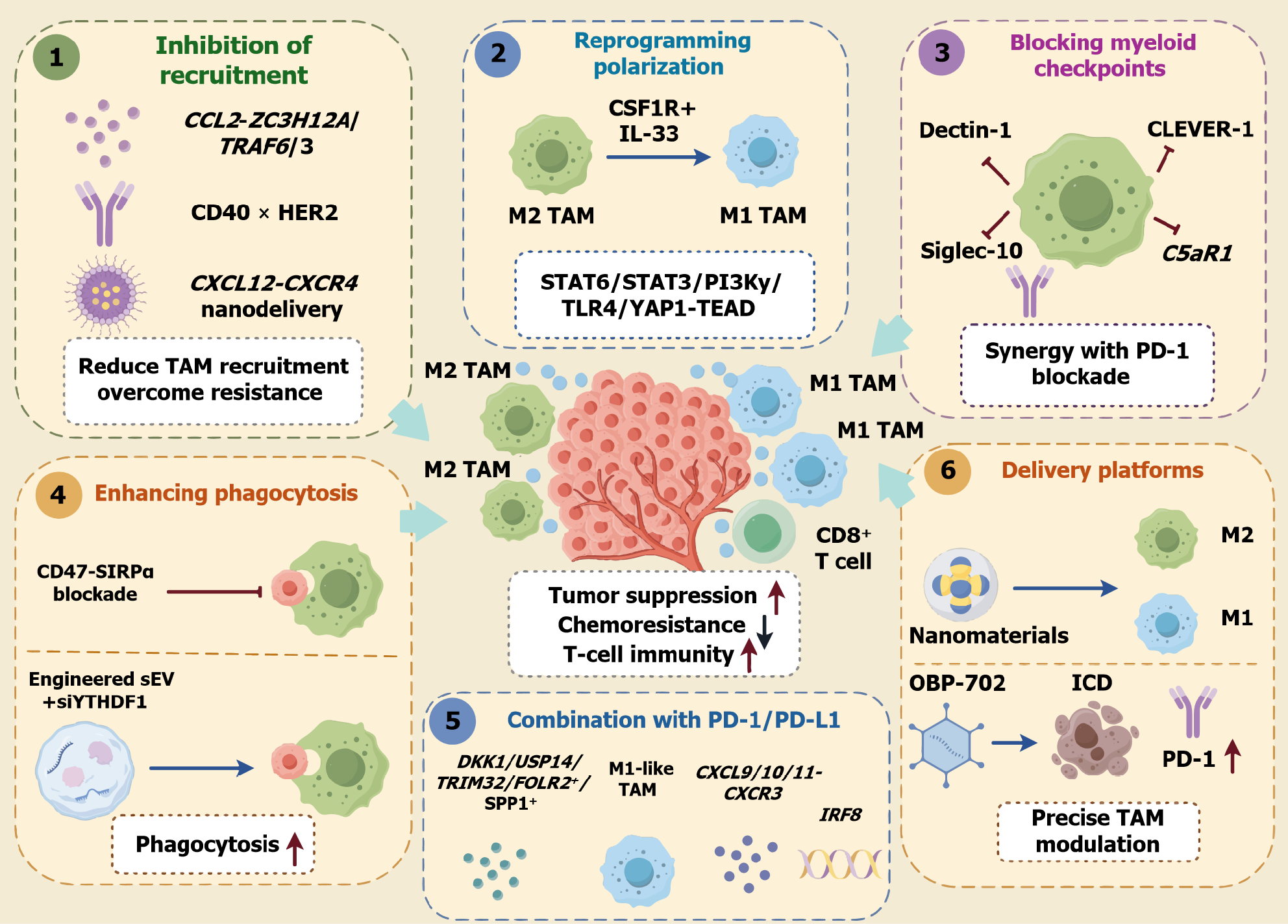
Figure 6 Tumor-associated macrophage-targeted therapeutic strategies in gastric cancer.
The figure summarizes approaches to inhibit tumor-associated macrophages (TAMs) recruitment, deplete TAMs, reprogramme macrophage states, modulate myeloid immune checkpoints, and combine TAM targeting with other therapies. Evidence labels: Animal; In vitro; No clinical interventional evidence. TAM: Tumor-associated macrophages; CD: Cluster of differentiation; SIRP: Signal regulatory protein; sEV: Small extracellular vesicles; CSF1R: Colony-stimulating factor-1 receptor; IL: Interleukin; PI3K: Phosphatidylinositol 3-kinase; STAT: Signal transducer and activator of transcription; TLR4: Toll-like receptor 4; TEAD: Transcriptional enhancer associate domain; SPP1: Secreted phosphoprotein 1; PD-1: Programmed cell death protein 1; PD-L1: Programmed cell death ligand 1; ICD: Immunogenic cell death.
- Citation: Zheng SH, Cheng FE, Shi XY, Cao TL, Jiang HZ. Tumor-associated macrophages in gastric cancer: Phenotypic plasticity and therapeutic targets. World J Gastrointest Oncol 2026; 18(12): 125722
- URL: https://www.wjgnet.com/1948-5204/full/v18/i12/125722.htm
- DOI: https://dx.doi.org/10.4251/wjgo.125722