
















Copyright: ©Author(s) 2026.
World J Gastrointest Oncol. Dec 15, 2026; 18(12): 124725
Published online Dec 15, 2026. doi: 10.4251/wjgo.124725
Published online Dec 15, 2026. doi: 10.4251/wjgo.124725
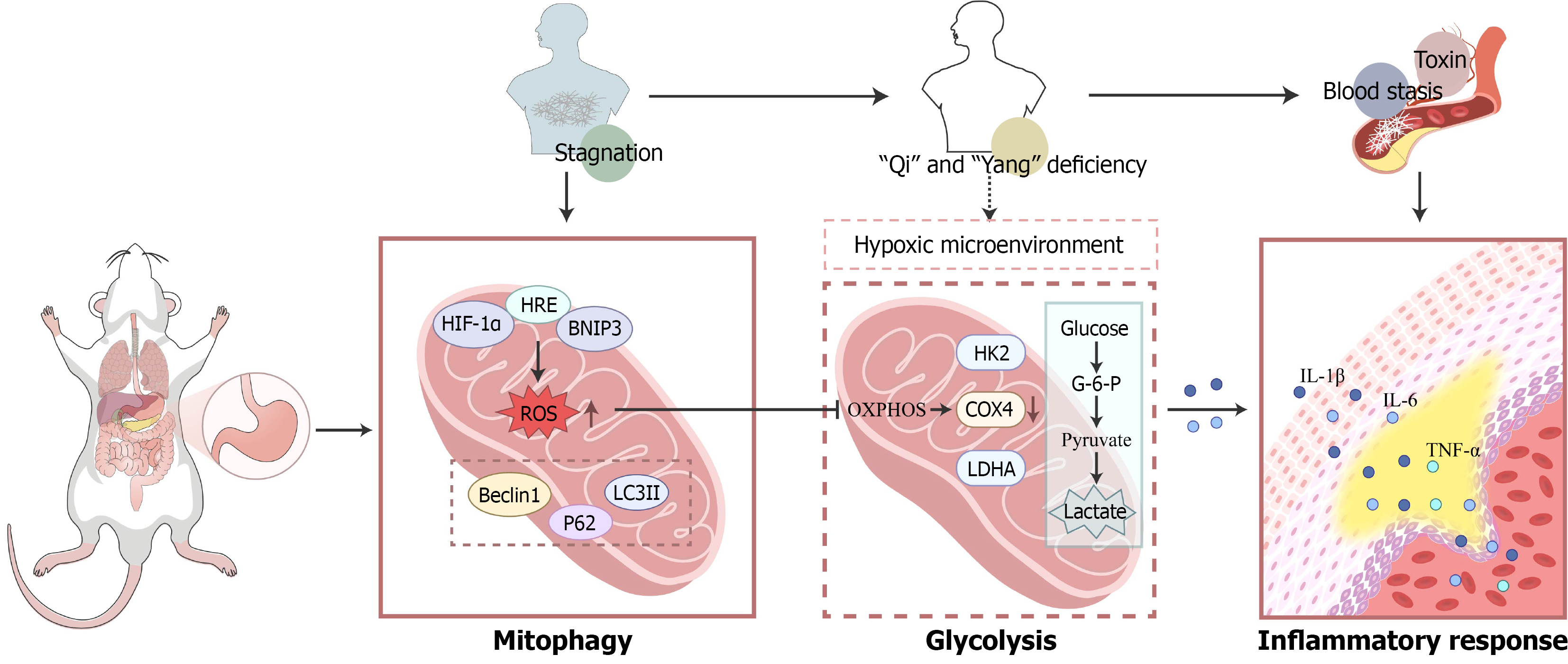
Figure 1 Schematic overview of traditional Chinese medicine pathogenesis and the hypoxia-inducible factor 1-alpha/B-cell lymphoma 2/adenovirus E1B 19 kDa interacting protein 3-mediated mitophagy–glycolysis–inflammatory response axis in precancerous lesions of gastric cancer.
HIF-1α: Hypoxia-inducible factor 1-alpha; BNIP3: B-cell lymphoma 2/adenovirus E1B 19 kDa interacting protein 3; HRE: Hypoxia-response element; Beclin1: A key autophagy-related protein; P62: Sequestosome 1/SQSTM1; LC3-II: Microtubule-associated protein 1 light chain 3-II; COX4: Cytochrome c oxidase subunit 4; HK2: Hexokinase 2; LDHA: Lactate dehydrogenase A; OXPHOS: Oxidative phosphorylation; ROS: Reactive oxygen species; TNF-α: Tumor necrosis factor-α; IL-6: Interleukin-6; IL-1β: Interleukin-1β.
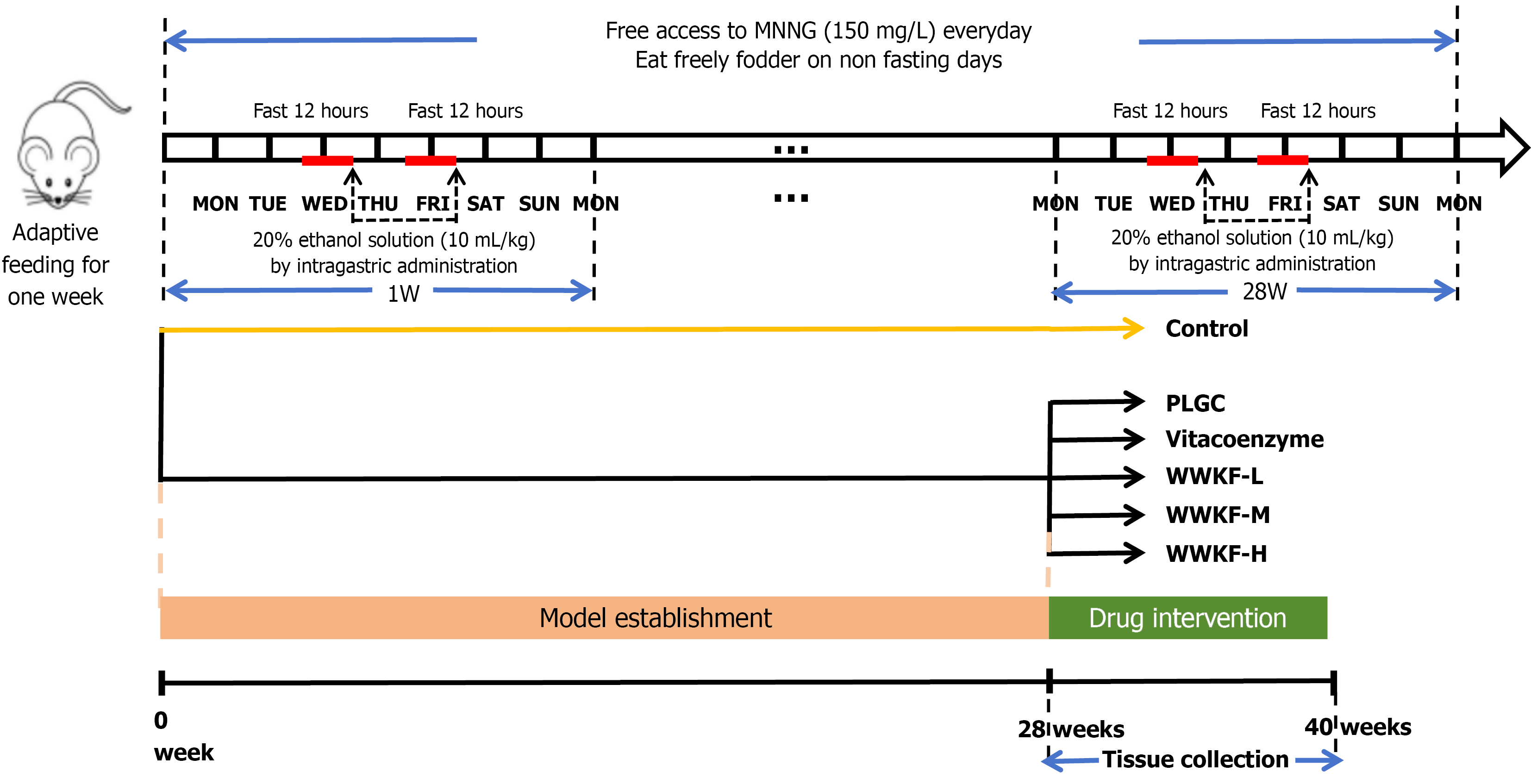
Figure 2 Experimental design for the establishment of the rat model of precancerous lesions of gastric cancer and Weiwikang Formula administration.
After 1 week of acclimatization, rats in the modeling groups were subjected to a combined induction protocol for 28 weeks, including free access to 150 mg/L N-methyl-N′-nitro-N-nitrosoguanidine solution, 12 hours fasting twice weekly, 20% ethanol gavage, and free access to standard chow on non-fasting days. Rats in the control group received normal saline gavage. After successful model establishment, the modeled rats were randomly divided into the precancerous lesions of gastric cancer, vitacoenzyme, low-dose Weiwikang Formula, medium-dose WWKF, and high-dose WWKF groups. Drug intervention was performed for 12 consecutive weeks, and blood and gastric tissue samples were collected at the end of the experiment. PLGC: Precancerous lesions of gastric cancer; WWKF-L: Low-dose Weiwikang Formula; WWKF-M: Medium-dose Weiwikang Formula; WWKF-H: High-dose Weiwikang Formula; MNNG: N-methyl-N′-nitro-N-nitrosoguanidine.
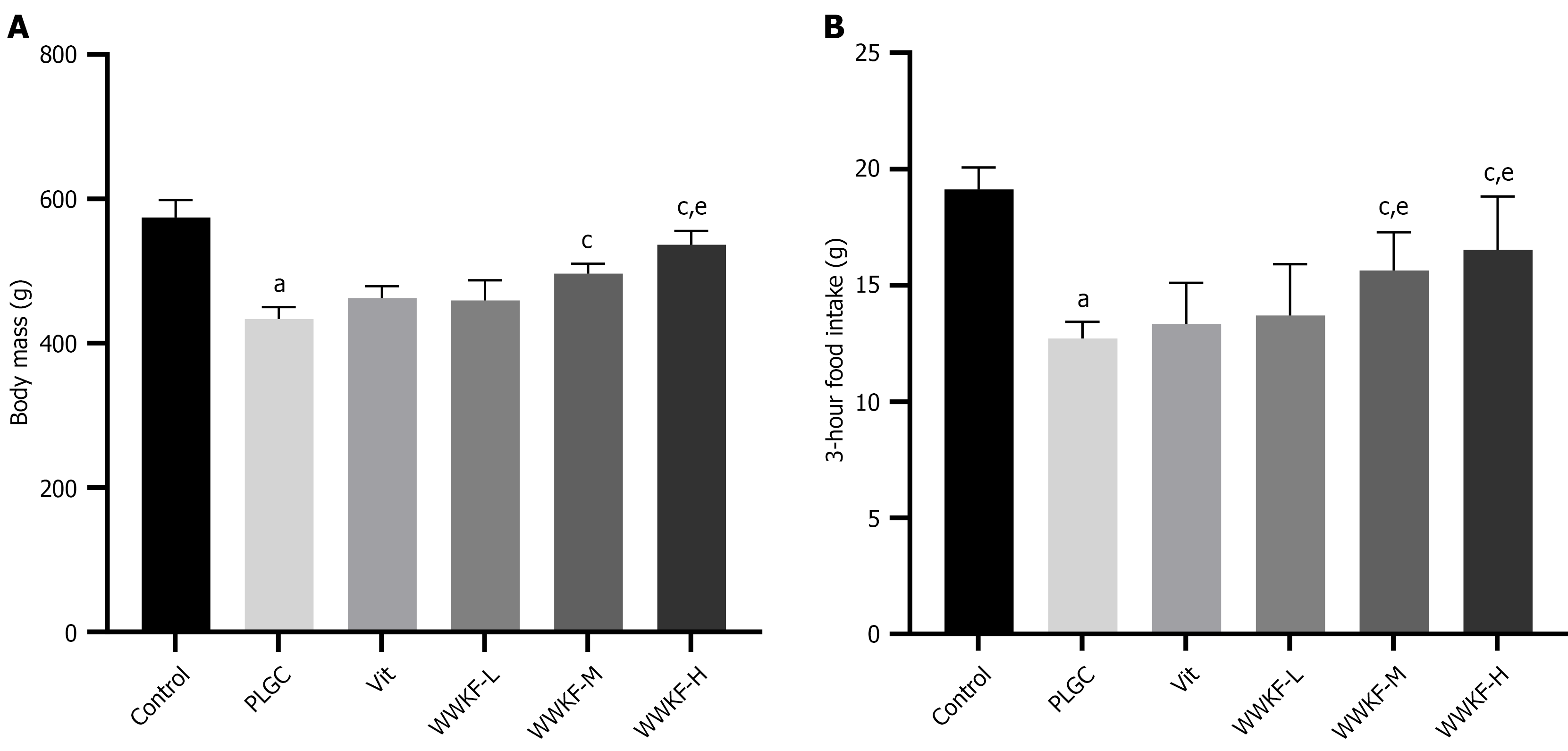
Figure 3 Weiwikang Formula improves the general condition, body weight, and 3-h food intake in Precancerous lesions of gastric cancer rats.
A: Body weight of rats in each group; B: 3-hour food intake of rats in each group. Weiwikang Formula (WWKF) treatment improved the general condition of precancerous lesions of gastric cancer rats and increased body weight and 3-hour food intake, with more pronounced effects observed in the medium- and high-dose WWKF groups. Data are presented as the mean ± SD from ten independent animals per group (n = 10). aP < 0.05 vs the control group; cP < 0.05 vs the precancerous lesions of gastric cancer group; eP < 0.05 vs the vitacoenzyme group. WWKF-L: Low-dose Weiwikang Formula; WWKF-M: Medium-dose Weiwikang Formula; WWKF-H: High-dose Weiwikang Formula; PLGC: Precancerous lesions of gastric cancer; Vit: Vitacoenzyme.
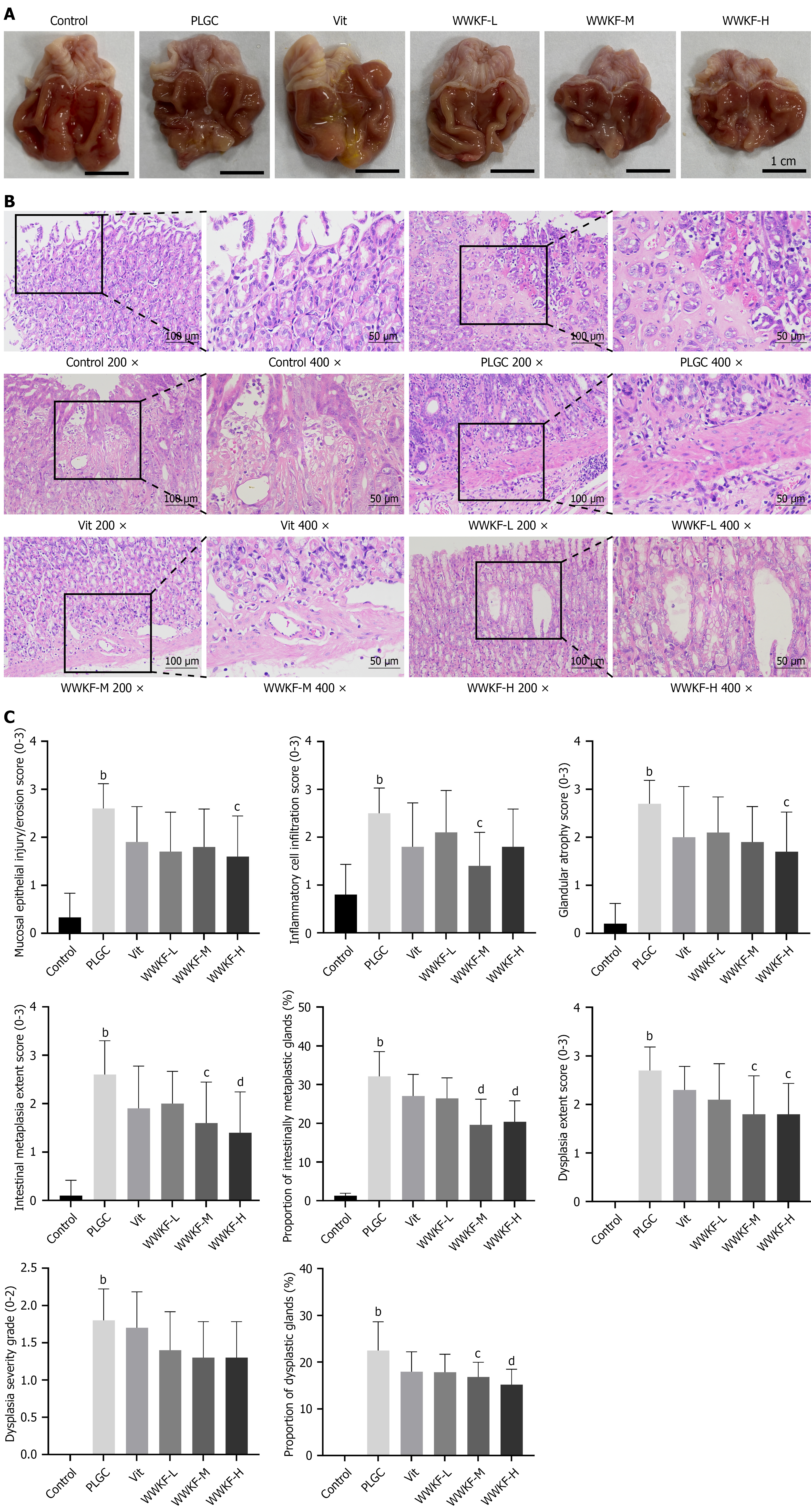
Figure 4 Weiwikang Formula ameliorates gastric mucosal injury, intestinal metaplasia, and dysplasia in precancerous lesions of gastric cancer rats.
A: Representative gross images of the opened stomachs from the control, precancerous lesions of gastric cancer, vitacoenzyme, low-dose Weiwikang Formula (WWKF), medium-dose WWKF, and high-dose WWKF groups. Scale bar: 1 cm; B: Representative hematoxylin and eosin-stained images of gastric antral tissues from each group at 200 × and 400 × magnification. Black boxes and dashed lines indicate the regions shown at higher magnification. Black arrows indicate representative dysplastic cells. Scale bars: 100 μm at 200 × and 50 μm at 400 ×; C: Quantitative histopathological assessment of the mucosal epithelial injury/erosion score, inflammatory cell infiltration score, glandular atrophy score, intestinal metaplasia extent score, proportion of intestinally metaplastic glands, dysplasia extent score, dysplasia severity grade, and proportion of dysplastic glands. The mucosal epithelial injury/erosion, inflammatory cell infiltration, glandular atrophy, intestinal metaplasia extent, and dysplasia extent scores ranged from 0 to 3, whereas the dysplasia severity grade ranged from 0 to 2. The proportions of intestinally metaplastic and dysplastic glands are expressed as percentages. Ordinal histopathological data are presented as the median and interquartile range, whereas the proportions of intestinally metaplastic and dysplastic glands are presented as the mean ± SD. Ten independent animals were evaluated per group (n = 10). bP < 0.01 vs the control group; cP < 0.05 and dP < 0.01 vs the precancerous lesions of gastric cancer group. WWKF-L: Low-dose Weiwikang Formula; WWKF-M: Medium-dose Weiwikang Formula; WWKF-H: High-dose Weiwikang Formula; PLGC: Precancerous lesions of gastric cancer; Vit: Vitacoenzyme.
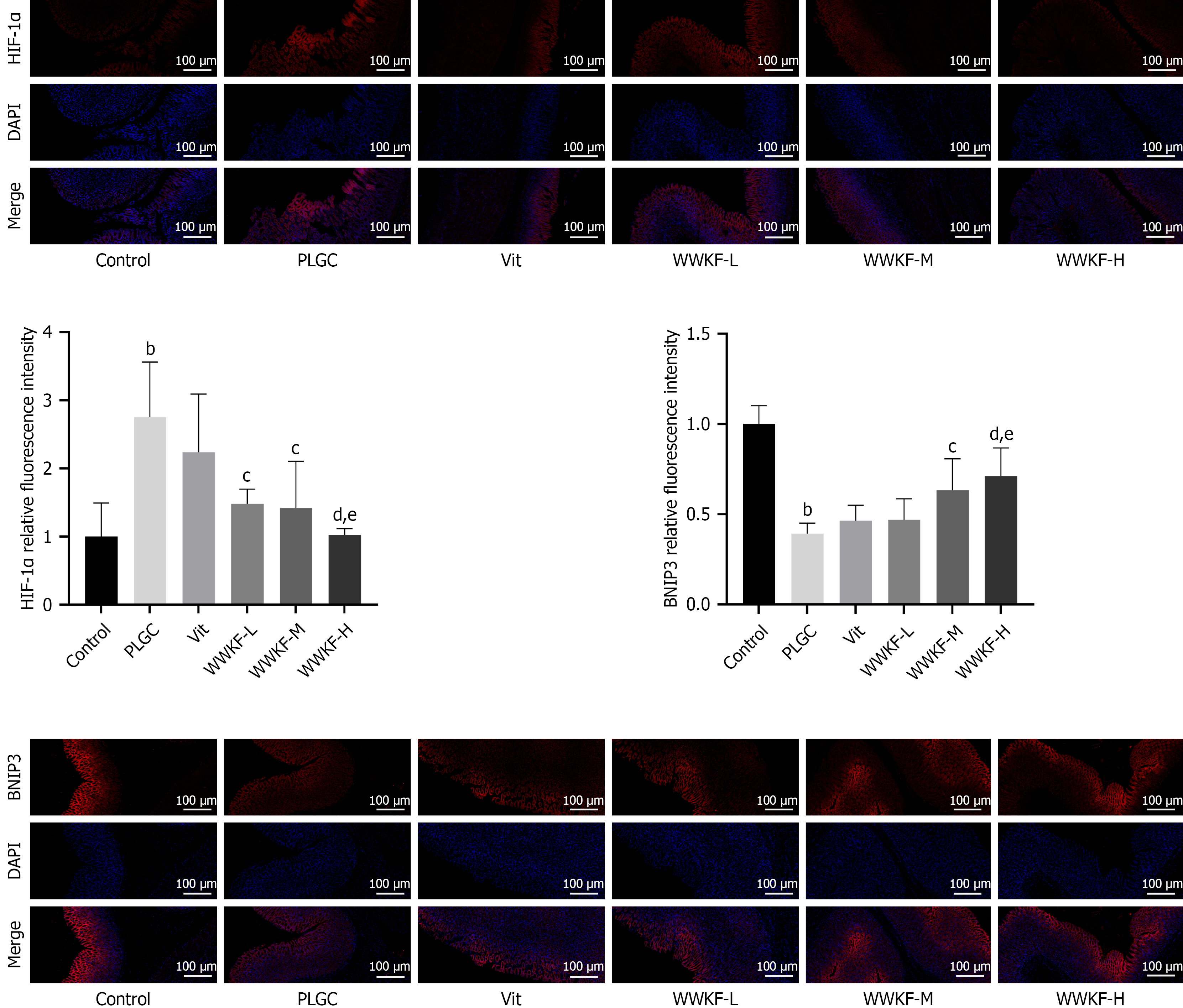
Figure 5 Weiwikang Formula suppresses hypoxia-inducible factor 1-alpha expression and restores B-cell lymphoma 2/adenovirus E1B 19 kDa interacting protein 3 expression in gastric antral tissues of precancerous lesions of gastric cancer rats.
Representative immuno
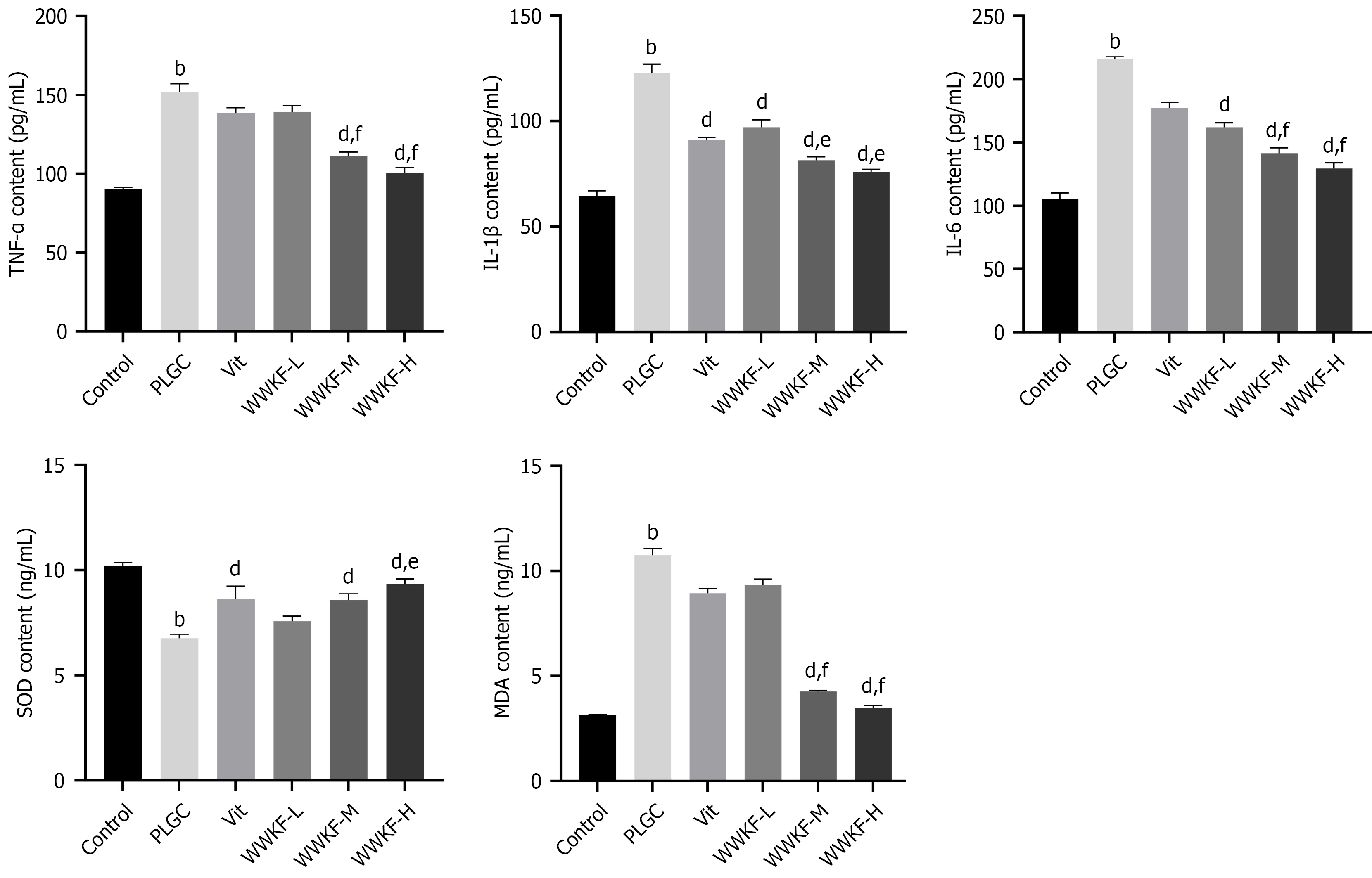
Figure 6 Weiwikang Formula decreases serum tumor necrosis factor-α, interleukin-1β, interleukin-6, and malondialdehyde levels and increases superoxide dismutase levels in precancerous lesions of gastric cancer rats.
Serum levels of tumor necrosis factor-α, Interleukin (IL)-1β, IL-6, superoxide dismutase (SOD), and malondialdehyde (MDA) in the control, precancerous lesions of gastric cancer (PLGC), vitacoenzyme, low-dose Weiwikang Formula (WWKF), medium-dose WWKF, and high-dose WWKF groups were measured by enzyme-linked immunosorbent assay. Compared with the control group, the PLGC group showed increased tumor necrosis factor-α, IL-1β, IL-6, and MDA levels and decreased SOD levels. WWKF treatment reduced inflammatory cytokine levels and MDA content while increasing SOD levels, with more pronounced effects observed in the medium- and high-dose WWKF groups. Data are presented as the mean ± SD from six independent animals per group (n = 6). bP < 0.01 vs the control group; dP < 0.01 vs the PLGC group; eP < 0.05 and fP < 0.01 vs the vitacoenzyme group. TNF-α: Tumor necrosis factor-α; IL-1β: Interleukin-1β; IL-6: Interleukin-6; MDA: Malondialdehyde; SOD: Superoxide dismutase; WWKF-L: Low-dose Weiwikang Formula; WWKF-M: Medium-dose Weiwikang Formula; WWKF-H: High-dose Weiwikang Formula; PLGC: Precancerous lesions of gastric cancer; Vit: Vitacoenzyme.
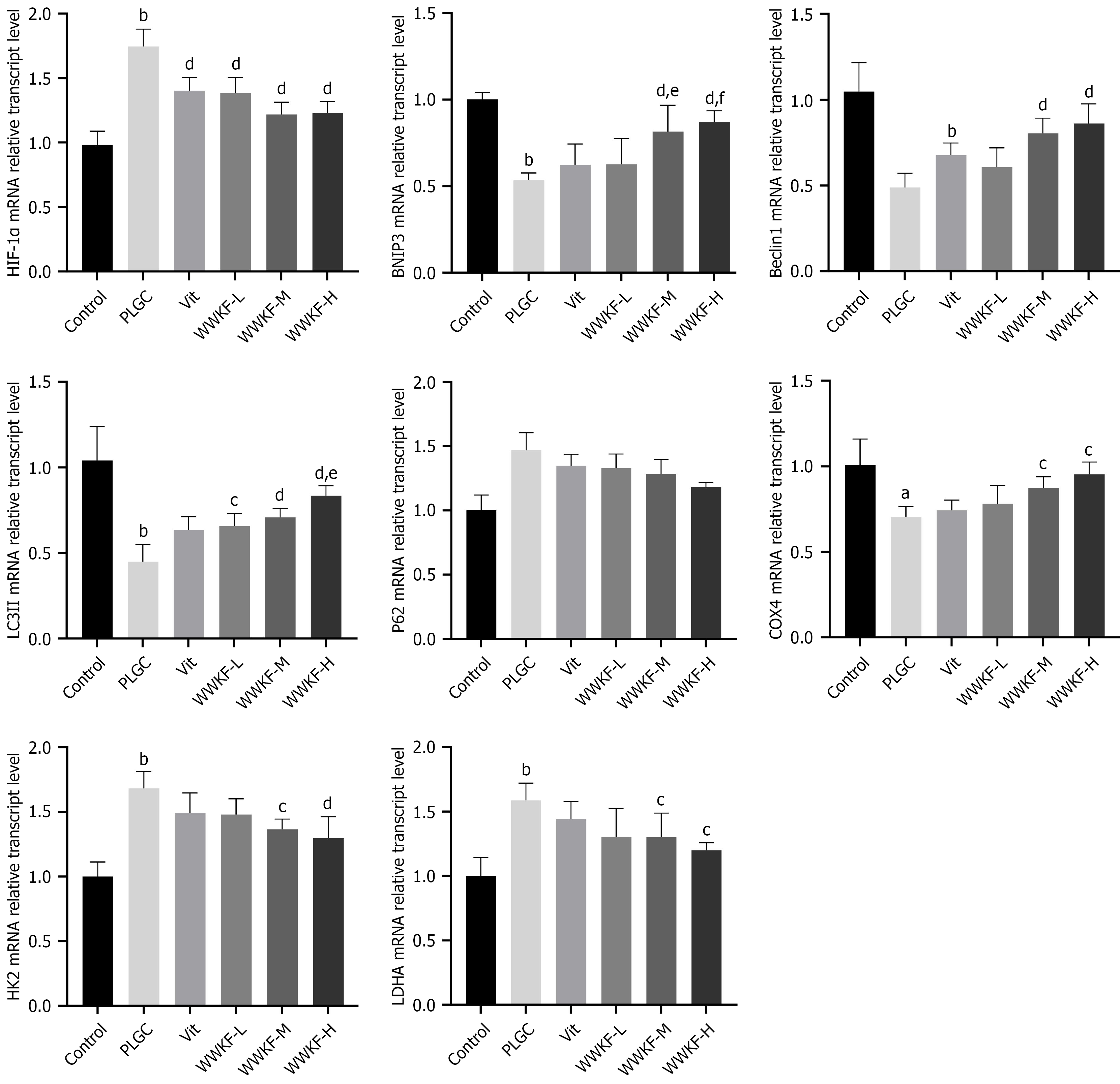
Figure 7 Weiwikang Formula modulates the mRNA expression of the hypoxia-inducible factor 1-alpha/B-cell lymphoma 2/adenovirus E1B 19 kDa interacting protein 3 axis and markers of mitophagy, oxidative phosphorylation, and glycolysis in gastric antral tissues of pre
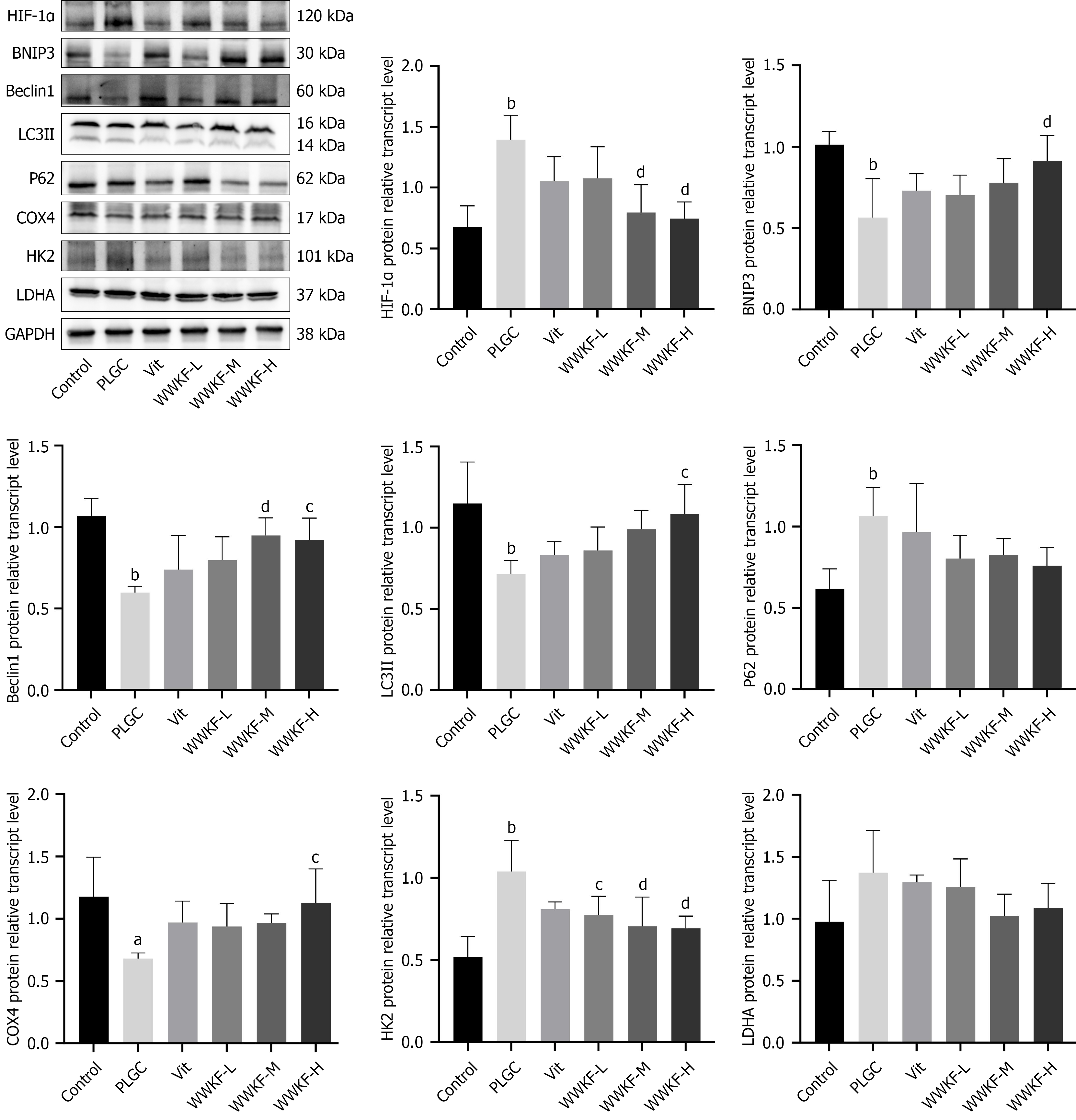
Figure 8 Weiwikang Formula modulates the protein expression of the hypoxia-inducible factor 1-alpha/B-cell lymphoma 2/adenovirus E1B 19 kDa interacting protein 3 axis and markers of mitophagy, oxidative phosphorylation, and glycolysis in gastric antral tissues of precancerous lesions of gastric cancer rats.
Representative Western blotting images and quantitative analysis of hypoxia-inducible factor 1-alpha (HIF-1α), B-cell lymphoma 2/adenovirus E1B 19 kDa interacting protein 3 (BNIP3), Beclin1, microtubule-associated protein 1 light chain 3 (LC3)-II, sequestosome 1 (P62), cytochrome c oxidase subunit 4 (COX4), hexokinase 2 (HK2), and lactate dehydrogenase A protein expression in gastric antral tissues from the control, precancerous lesions of gastric cancer (PLGC), vitacoenzyme, low-dose Weiwikang Formula (WWKF), medium-dose WWKF, and high-dose WWKF groups. GAPDH was used as the internal loading control. Compared with the control group, the PLGC group showed increased HIF-1α, P62, and HK2 protein expression and decreased BNIP3, Beclin1, LC3-II, and COX4 protein expression. WWKF treatment reduced HIF-1α, P62, and HK2 protein expression, tended to reduce lactate dehydrogenase A protein expression, and restored BNIP3, Beclin1, LC3-II, and COX4 protein expression, with more pronounced effects observed in the medium-dose WWKF and high-dose WWKF groups. Data are presented as the mean ± SD from three independent animals per group (n = 3). aP < 0.05 and bP < 0.01 vs the control group; cP < 0.05 and dP < 0.01 vs the PLGC group. HIF-1α: Hypoxia-inducible factor 1-alpha; BNIP3: B-cell lymphoma 2/adenovirus E1B 19 kDa interacting protein 3; LC3-II: Microtubule-associated protein 1 light chain 3-II; P62: Sequestosome 1/SQSTM1; COX4: Cytochrome c oxidase subunit 4; HK2: Hexokinase 2; LDHA: Lactate dehydrogenase A; WWKF-L: Low-dose Weiwikang Formula; WWKF-M: Medium-dose Weiwikang Formula; WWKF-H: High-dose Weiwikang Formula; PLGC: Precancerous lesions of gastric cancer; Vit: Vitacoenzyme.
- Citation: Zhang XF, Lv GH, Zhu CH, An SJ, Yang XR. Weiwikang Formula ameliorates precancerous lesions of gastric cancer: Associations with the HIF-1α/BNIP3 axis, mitophagy, and glycolysis. World J Gastrointest Oncol 2026; 18(12): 124725
- URL: https://www.wjgnet.com/1948-5204/full/v18/i12/124725.htm
- DOI: https://dx.doi.org/10.4251/wjgo.124725