
















Copyright: ©Author(s) 2026.
World J Gastrointest Oncol. Nov 15, 2026; 18(11): 123709
Published online Nov 15, 2026. doi: 10.4251/wjgo.123709
Published online Nov 15, 2026. doi: 10.4251/wjgo.123709
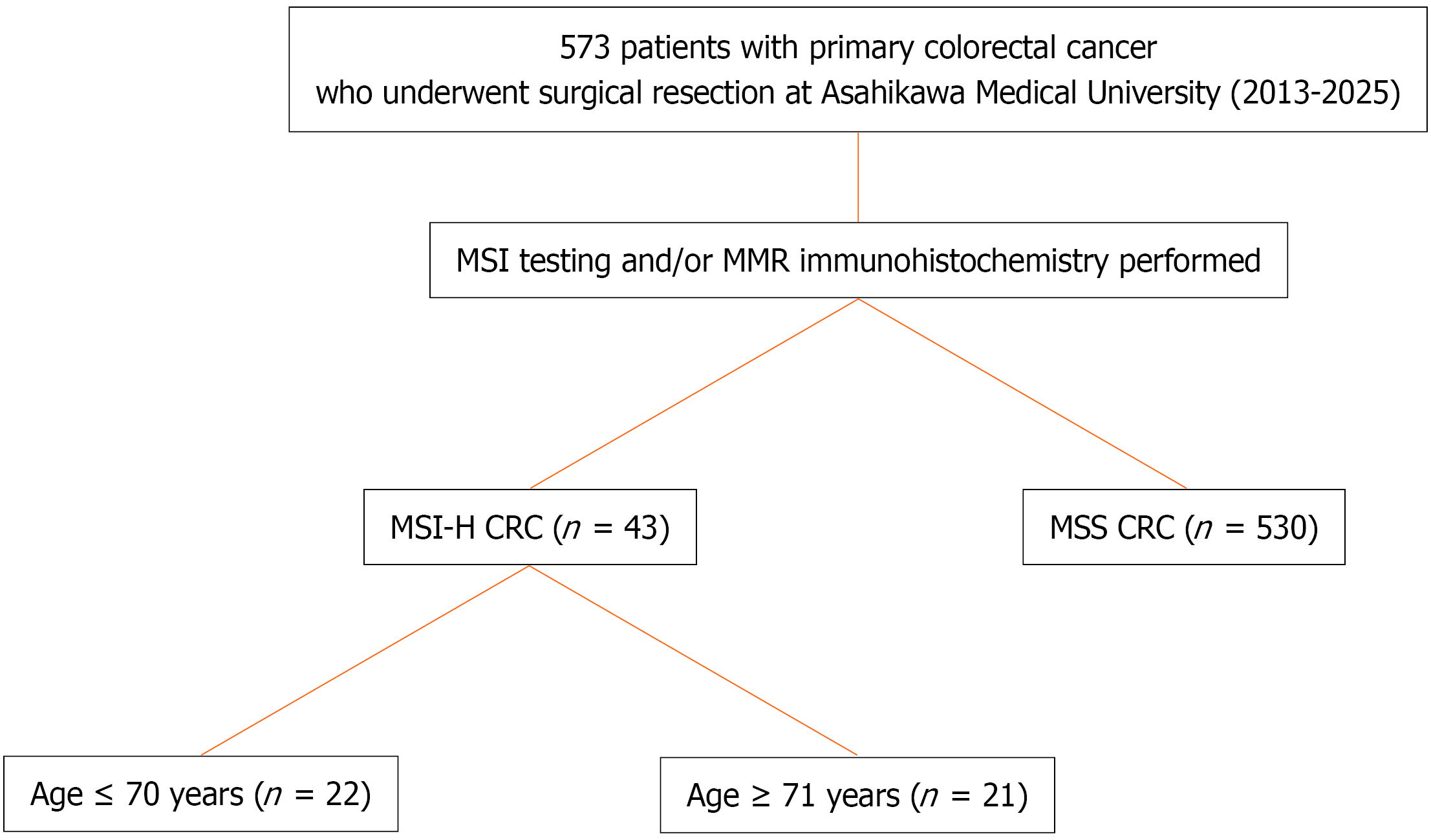
Figure 1 Flow diagram of patient selection.
A total of 573 patients underwent surgical resection for primary colorectal cancer at Asahikawa Medical University Hospital between 2013 and 2025. Based on microsatellite instability testing or mismatch repair immunohistochemistry, 43 patients were classified as having microsatellite instability-high and 530 as having microsatellite-stable. Patients with microsatellite instability-high colorectal cancer were further stratified by age (≤ 70 and ≥ 71 years). CRC: Colorectal cancer; MSI-H: Microsatellite instability-high; MSS: Microsatellite-stable; MMR: Mismatch repair.
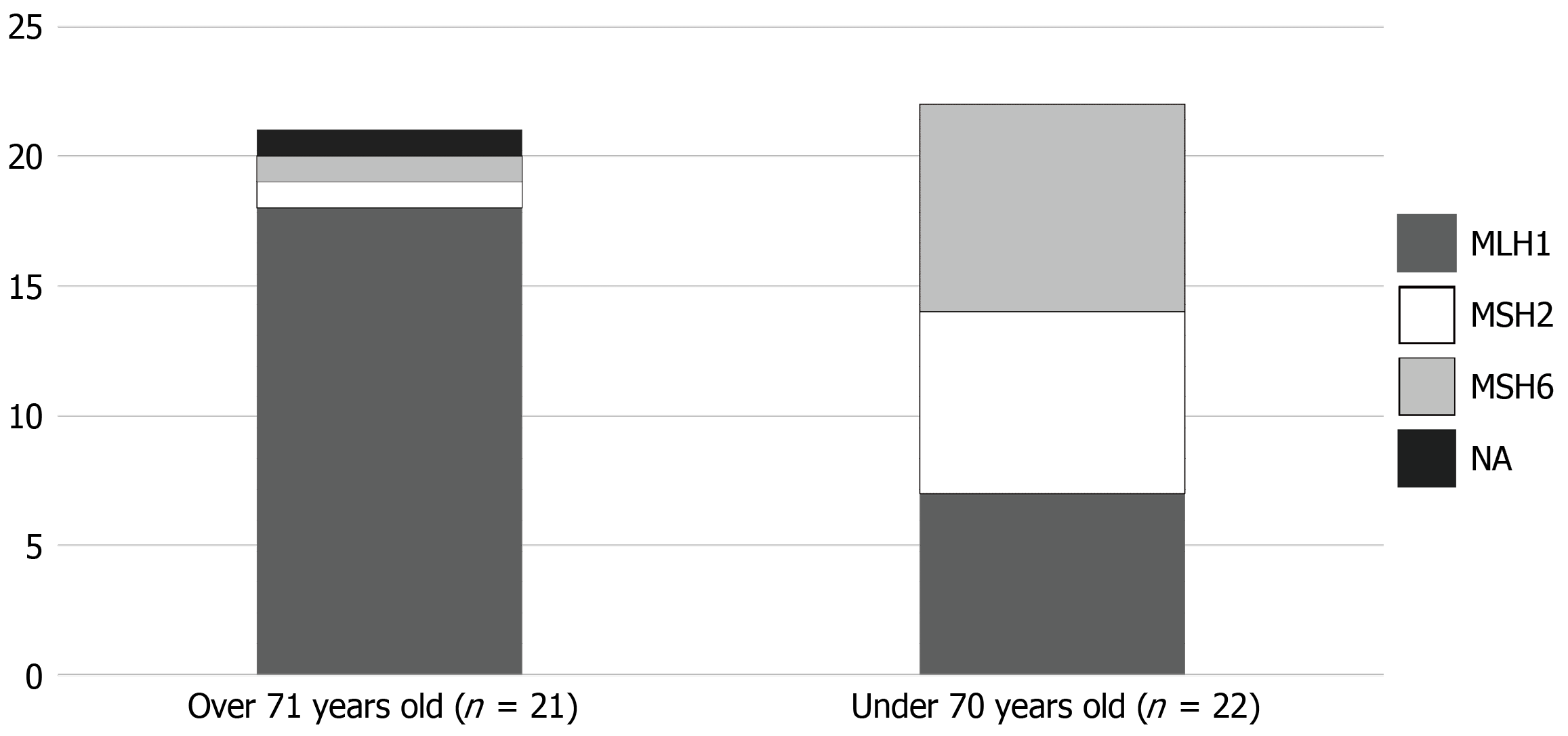
Figure 2 Presumed causative mismatch repair protein deficiencies in microsatellite instability-high colorectal cancer stratified by age.
The distribution of immunohistochemical loss of mismatch repair proteins is shown for the older (≥ 71 years, n = 21) and younger (≤ 70 years, n = 22) groups. Presumed causative factors were categorized based on the specific pattern of mismatch repair protein loss.
- Citation: Shonaka T, Tani C, Mizukami S, Koro D, Iwata H, Ohara M, Tanabe H, Makita Y, Tanino M, Yokoo H. Clinical and molecular heterogeneity of microsatellite instability-high colorectal cancer in older adults. World J Gastrointest Oncol 2026; 18(11): 123709
- URL: https://www.wjgnet.com/1948-5204/full/v18/i11/123709.htm
- DOI: https://dx.doi.org/10.4251/wjgo.123709