
















Copyright: ©Author(s) 2026.
World J Gastrointest Oncol. Nov 15, 2026; 18(11): 123432
Published online Nov 15, 2026. doi: 10.4251/wjgo.123432
Published online Nov 15, 2026. doi: 10.4251/wjgo.123432
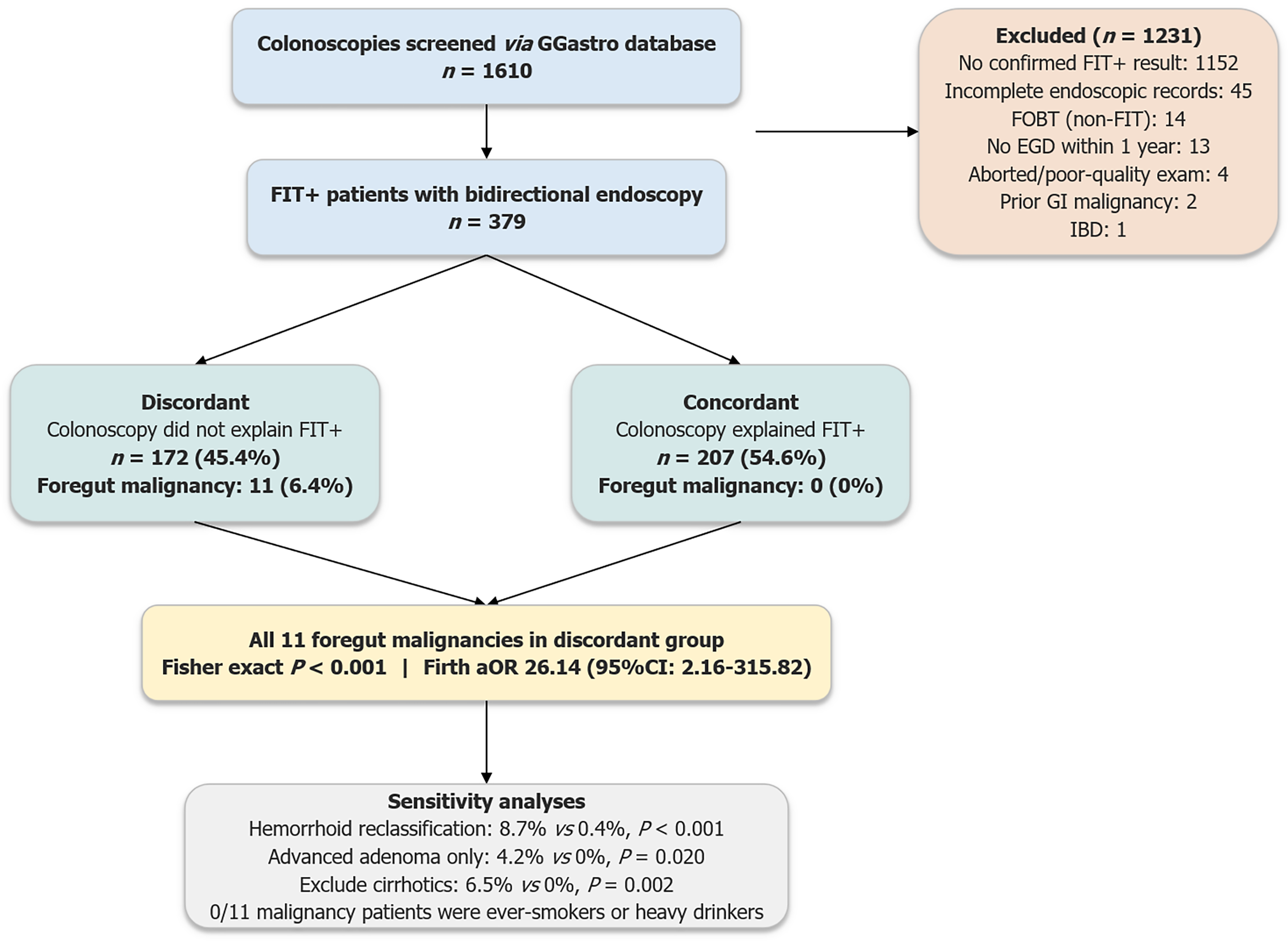
Figure 1 Cohort derivation flow diagram.
Of 1610 records screened, 379 fecal immunochemical test (FIT)-positive patients met inclusion criteria and were classified as discordant (n = 172) or concordant (n = 207) based on colonoscopy findings. The most common reason for exclusion was absence of a confirmed positive FIT on chart review (n = 1152). Discordant patients included those with no explanatory finding or hemorrhoids with additional non-concordant findings (n = 115) and those with hemorrhoids only (n = 57), classified as discordant based on meta-analytic evidence that hemorrhoids do not significantly contribute to false-positive FIT results. Among concordant patients, colorectal neoplasia accounted for 183 (88.4%) and an alternative explanatory lesion for 24 (11.6%). FIT+: Fecal immunochemical test-positive; FOBT: Fecal occult blood test; EGD: Esophagogastroduodenoscopy; GI: Gastrointestinal; IBD: Inflammatory bowel disease; aOR: Adjusted odds ratio.
- Citation: Cruz AJ, Gurram S, Obias I, Luo A, Salmastyan G, Rajagopalan A, Bui S, Sharifi R, Kumar N, Hui C, Cruz Grave E, Yang E, Erondu A, Griggs T. Foregut malignancy after discordant fecal immunochemical test: A cohort study at a United States safety-net hospital. World J Gastrointest Oncol 2026; 18(11): 123432
- URL: https://www.wjgnet.com/1948-5204/full/v18/i11/123432.htm
- DOI: https://dx.doi.org/10.4251/wjgo.123432