
















Copyright: ©Author(s) 2026.
World J Stem Cells. Nov 26, 2026; 18(11): 127214
Published online Nov 26, 2026. doi: 10.4252/wjsc.127214
Published online Nov 26, 2026. doi: 10.4252/wjsc.127214
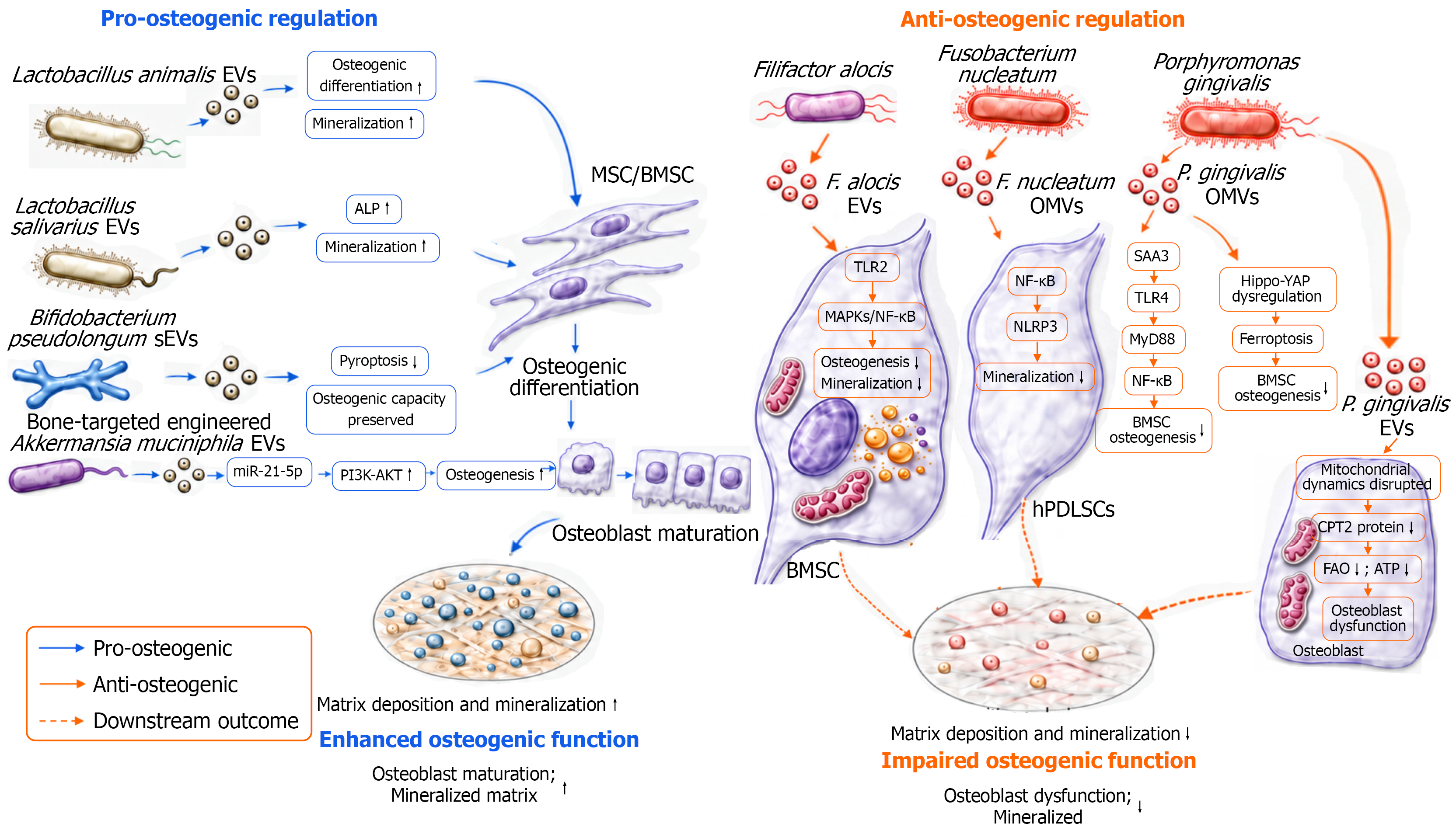
Figure 1 Direct and supportive effects of bacterial extracellular vesicles on mesenchymal stem/stromal cell/bone marrow-derived mesenchymal stem/stromal cell and osteogenic-lineage function.
Pro-osteogenic or protective effects are summarized for Lactobacillus animalis extracellular vesicles (EVs), Lactobacillus salivarius EVs, Bifidobacterium pseudolongum small EVs, and bone-targeted engineered Akkermansia muciniphila (A. muciniphila) EVs[26,31-33]. Filifactor alocis EVs and Fusobacterium nucleatum outer membrane vesicles suppress osteogenic function mainly through inflammatory signaling[9,34]. Porphyromonas gingivalis vesicles impair osteogenic function through multiple mechanisms, including inflammatory signaling, ferroptosis, and mitochondrial metabolic dysfunction[10,27,28]. The schematic distinguishes direct mesenchymal stem/stromal cell/bone marrow-derived mesenchymal stem/stromal cell findings from supportive findings in human periodontal ligament stem cells and osteoblasts. The A. muciniphila preparation shown is bone-targeted and engineered, and its depicted miR-21-5p-associated mechanism should not be generalized to all natural A. muciniphila EVs. Blue and orange arrows indicate pathways associated with enhanced and impaired osteogenic function, respectively. Dashed orange arrows indicate downstream outcomes. Upward and downward arrows indicate increases and decreases, respectively. EVs: Extracellular vesicles; ALP: Alkaline phosphatase; MSC: Mesenchymal stem/stromal cell; BMSC: Bone marrow-derived mesenchymal stem/stromal cell; F. alocis: Filifactor alocis; F. nucleatum: Fusobacterium nucleatum; OMVs: Outer membrane vesicles; P. gingivalis: Porphyromonas gingivalis; TLR2/4: Toll-like receptors 2 and 4; MAPKs: Mitogen-activated protein kinases; NF-κB: Nuclear factor kappa B; NLRP3: NOD-like receptor family pyrin domain-containing 3; SAA3: Serum amyloid A3; MyD88: Myeloid differentiation primary response protein 88; YAP: Yes-associated protein; PI3K: Phosphoinositide 3-kinase; AKT: Protein kinase B; hPDLSCs: Human periodontal ligament stem cells; CPT2: Carnitine palmitoyltransferase 2; FAO: Fatty acid oxidation; sEVs: Small extracellular vesicles.
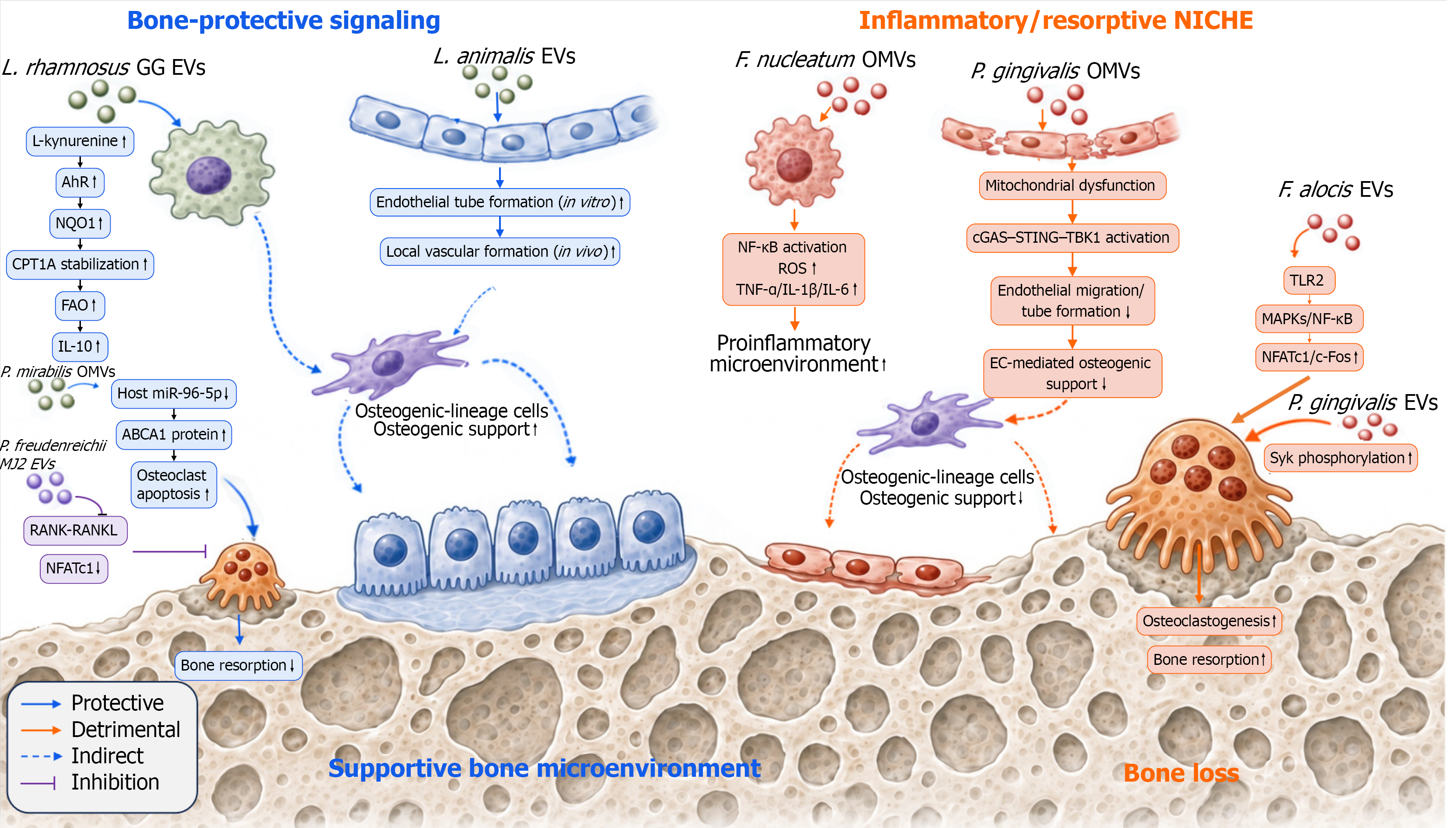
Figure 2 Indirect regulation of osteogenic support by bacterial extracellular vesicles through the osteoimmune and vascular microen
- Citation: Zhao TH, Shao J. Potential roles of bacterial extracellular vesicles in mesenchymal stem/stromal cell-mediated bone repair. World J Stem Cells 2026; 18(11): 127214
- URL: https://www.wjgnet.com/1948-0210/full/v18/i11/127214.htm
- DOI: https://dx.doi.org/10.4252/wjsc.127214