
















Copyright: ©Author(s) 2026.
World J Stem Cells. Nov 26, 2026; 18(11): 125111
Published online Nov 26, 2026. doi: 10.4252/wjsc.125111
Published online Nov 26, 2026. doi: 10.4252/wjsc.125111
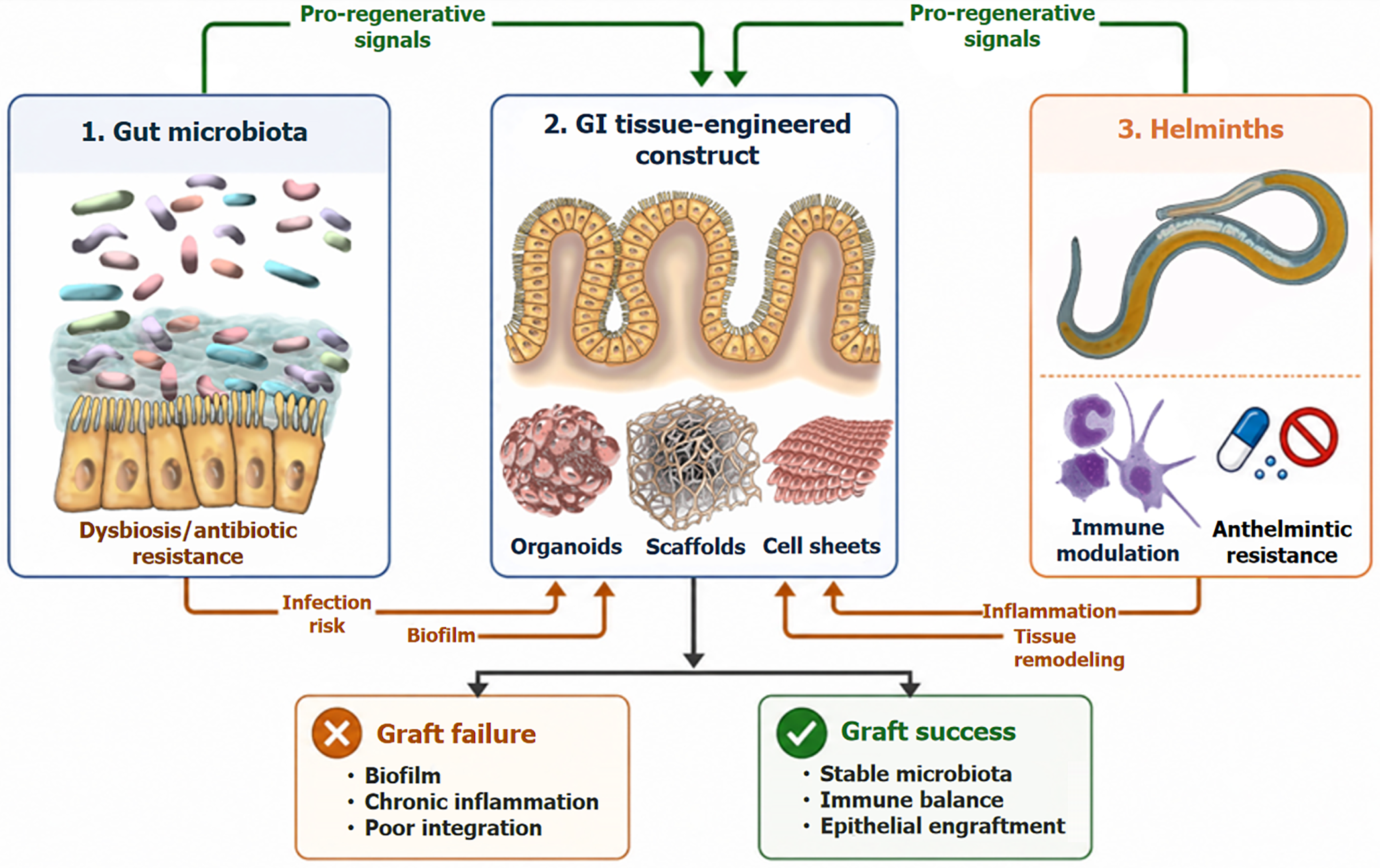
Figure 1 Proposed interactions between the gut microbiota, gastrointestinal helminths, and tissue-engineered gastrointestinal con
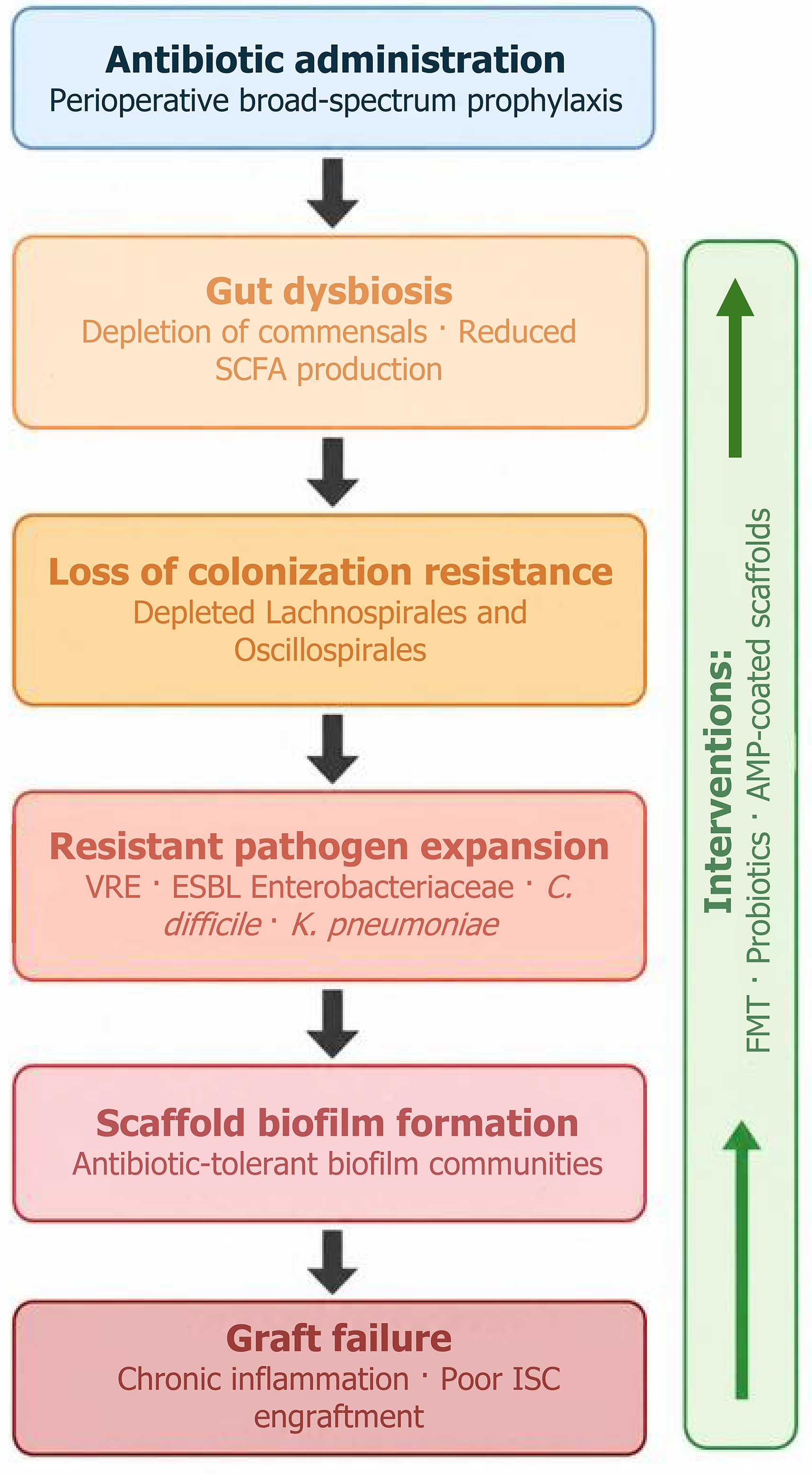
Figure 2 Flow diagram of the proposed cascade from perioperative antibiotic administration to tissue-engineered graft failure, pro
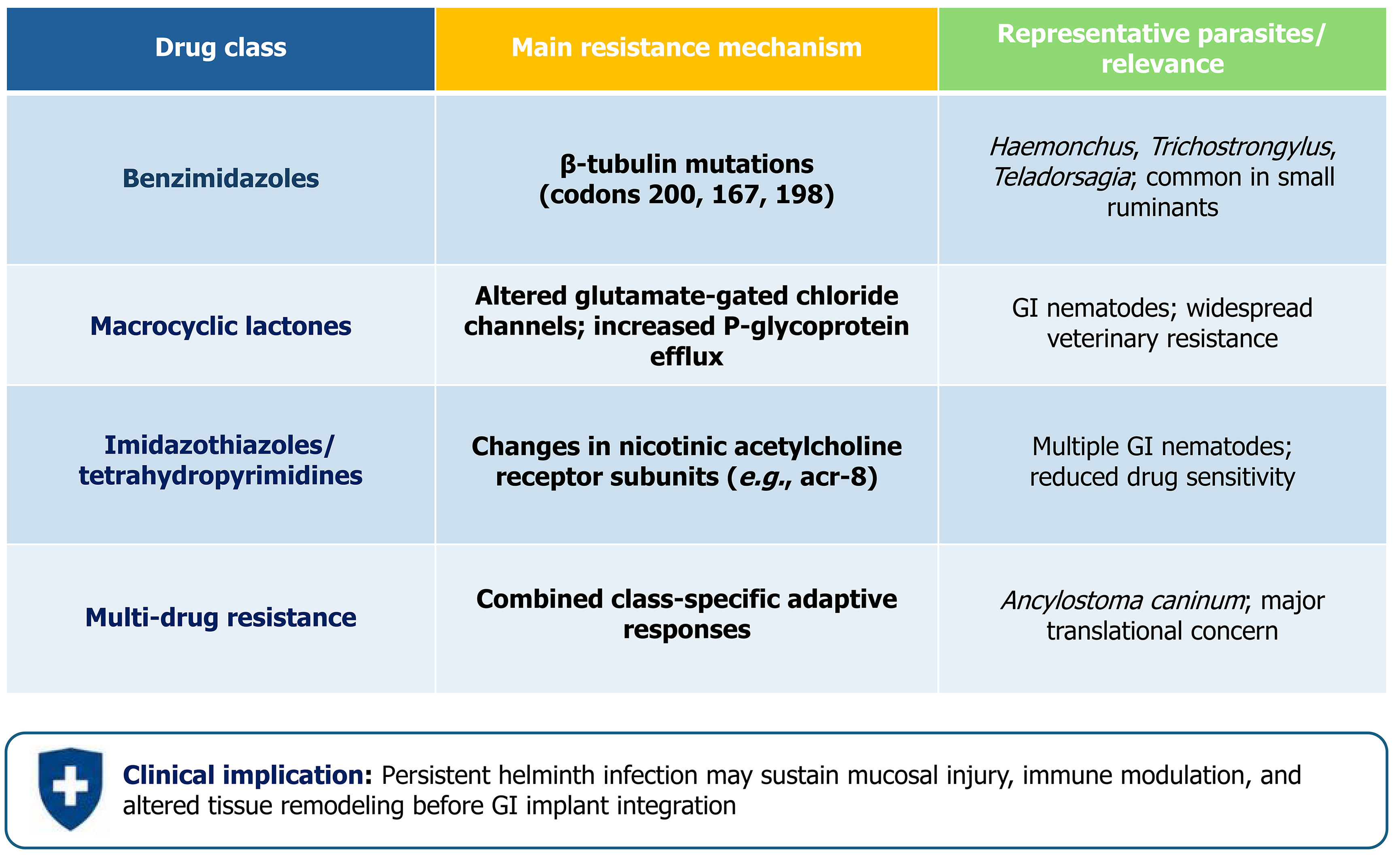
Figure 3 Major anthelmintic drug classes - benzimidazoles, macrocyclic lactones, and imidazothiazoles - and their associated molecular resistance mechanisms in gastrointestinal nematodes, with representative parasite species and translational implications for gastro
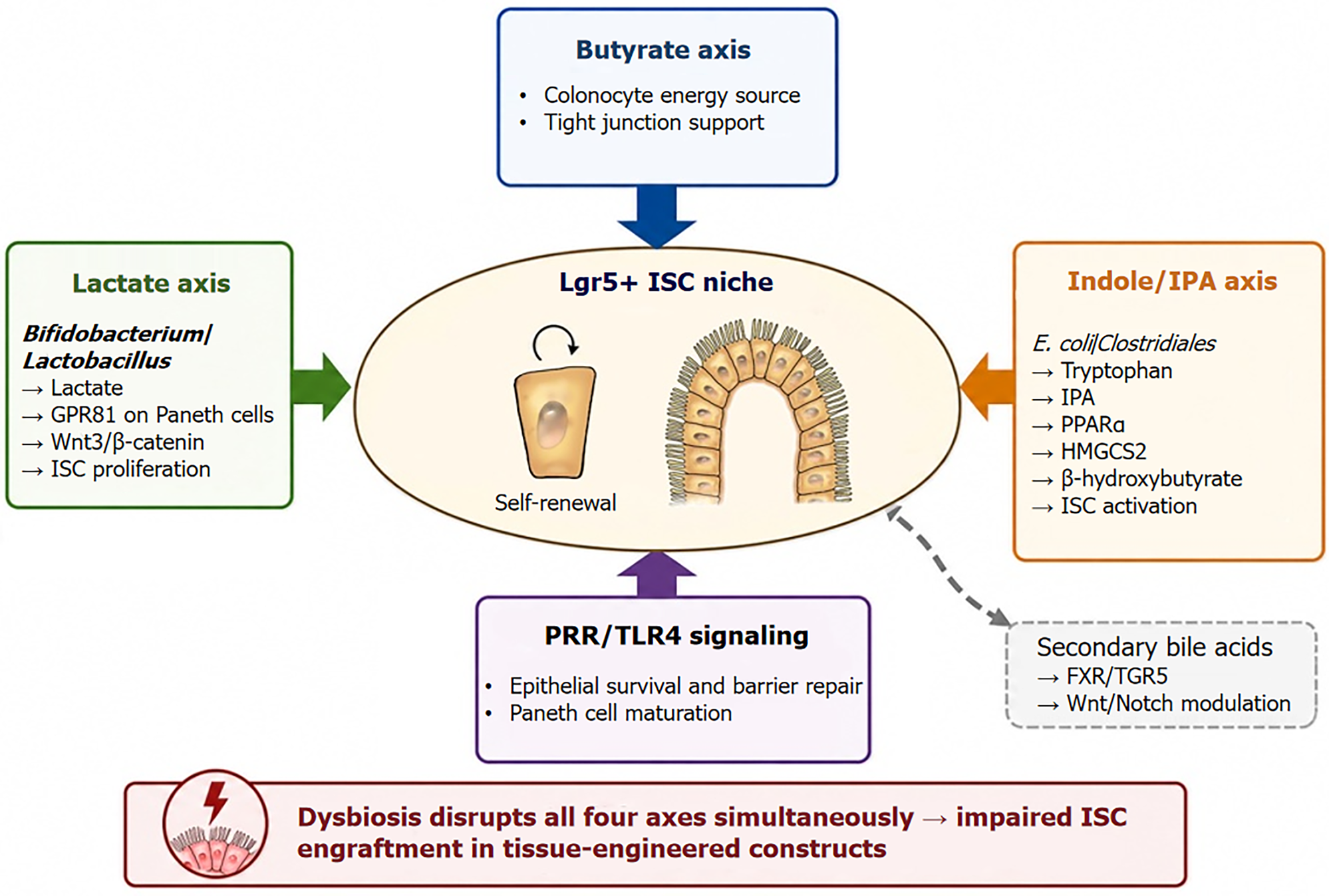
Figure 4 The four principal microbiota-derived signalling axes that converge on the Lgr5+ intestinal stem cell niche: Butyrate/Foxo3, lactate/G-protein-coupled receptor 81/Wnt, indole-3-propionic acid/peroxisome proliferator-activated receptor α/β-hydroxybutyrate, and Toll-like receptor 4/MyD88/prostaglandin E2, regulating epithelial self-renewal, differentiation, and barrier integrity.
Convergence of these axes on intestinal stem cell behavior is demonstrated in murine and organoid systems (tiers P and O); their influence on intestinal stem cell engraftment within tissue-engineered constructs is hypothesised (tier M). ISC: Intestinal stem cell; TLR4: Toll-like receptor 4; IPA: Indole-3-propionic acid; E. coli: Escherichia coli; FXR: Farnesoid X receptor; TGR5: Takeda G protein-coupled receptor 5; PRR: Pattern recognition receptor; GPR81: G-protein-coupled receptor 81.
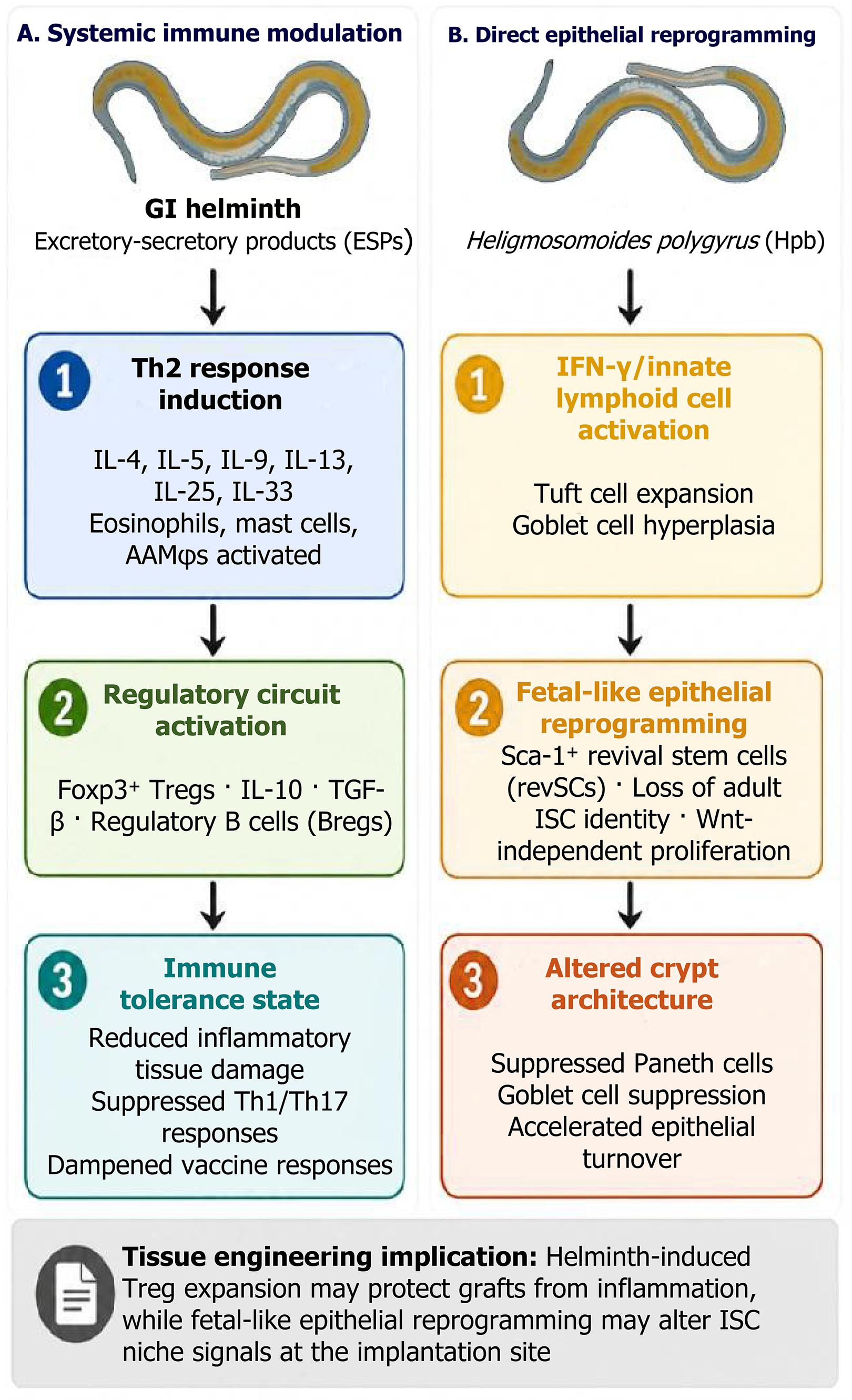
Figure 5 Dual-panel schematic of helminth-induced immune modulation and direct epithelial reprogramming.
A: T-helper type 2 induction, regulatory T cell/regulatory B cell expansion, and immune tolerance; B: Fetal-like Sca-1+ revival stem cell induction, altered crypt architecture, and suppressed Paneth cells. Both panels are based on Heligmosomoides polygyrus/bakeri infection in laboratory mice (tier P); generalisability to other helminth species, to larger animals, and to human intestinal epithelium has not been established, and implications for tissue-engineered graft integration are hypothesised (tier M). GI: Gastrointestinal; Th2: T-helper type 2; IL: Interleukin; Treg: Regulatory T cell; TGF-β: Transforming growth factor-β; IFN-γ: Interferon-γ; ISC: Intestinal stem cell.
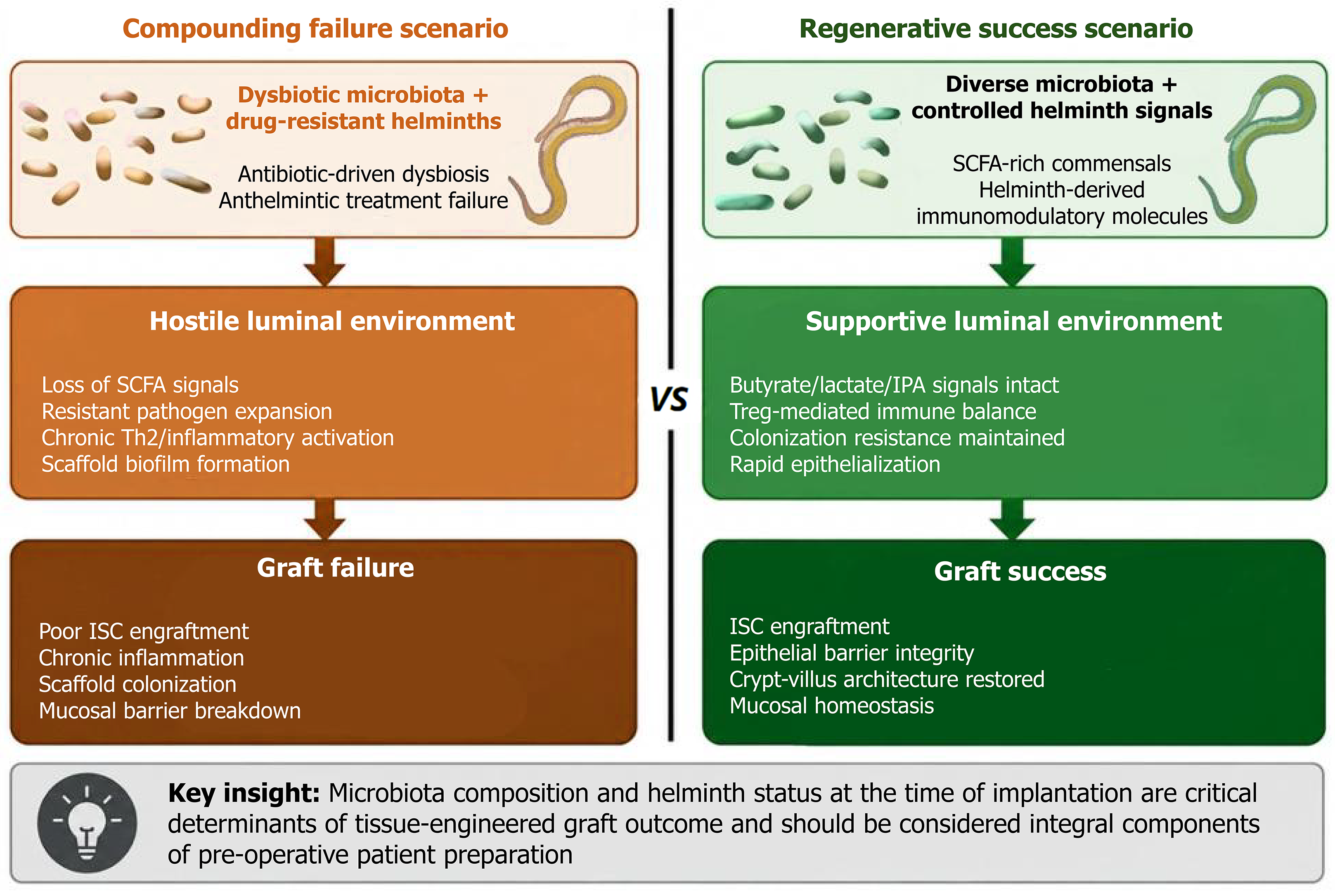
Figure 6 Integrative model contrasting a hypothesised compounding failure scenario with a hypothesised regenerative scenario.
In the failure scenario, dysbiotic microbiota and drug-resistant helminths drive biofilm formation, inflammation, and graft failure; in the regenerative scenario, a diverse microbiota and controlled helminth-derived signals support intestinal stem cell engraftment, epithelial barrier integrity, and mucosal homeostasis. Neither scenario has been tested: No published study has combined helminth infection, defined microbiota manipulation, and an implanted gastrointestinal construct in a single experimental system (tier M). SCFA: Short-chain fatty acid; Th2: T-helper type 2; ISC: Intestinal stem cell; IPA: Indole-3-propionic acid; Treg: Regulatory T cell.
- Citation: Brianton JA, Kochevalina MY, Bonartsev AP, Voinova VV. Putative role of helminths in mucosal regeneration for tissue engineering of gastrointestinal tract: A hypothesis. World J Stem Cells 2026; 18(11): 125111
- URL: https://www.wjgnet.com/1948-0210/full/v18/i11/125111.htm
- DOI: https://dx.doi.org/10.4252/wjsc.125111