
















Copyright: ©Author(s) 2026.
World J Gastroenterol. Jan 21, 2027; 33(3): 123685
Published online Jan 21, 2027. doi: 10.3748/wjg.123685
Published online Jan 21, 2027. doi: 10.3748/wjg.123685
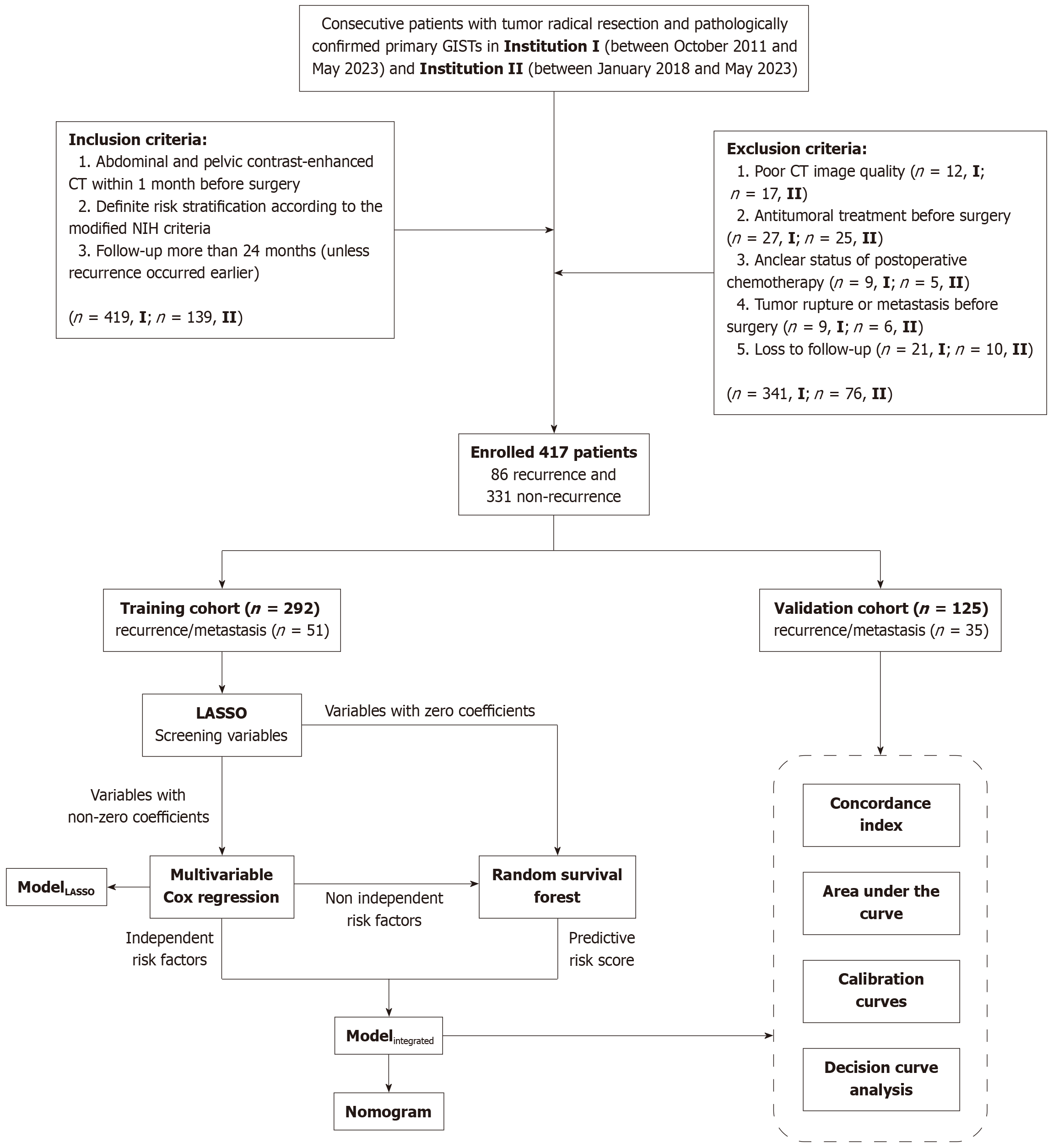
Figure 1 Study flowchart of patient recruitment and the research workflow.
GIST: Gastrointestinal stromal tumors; CT: Computed tomography; LASSO: Least absolute shrinkage and selection operator.
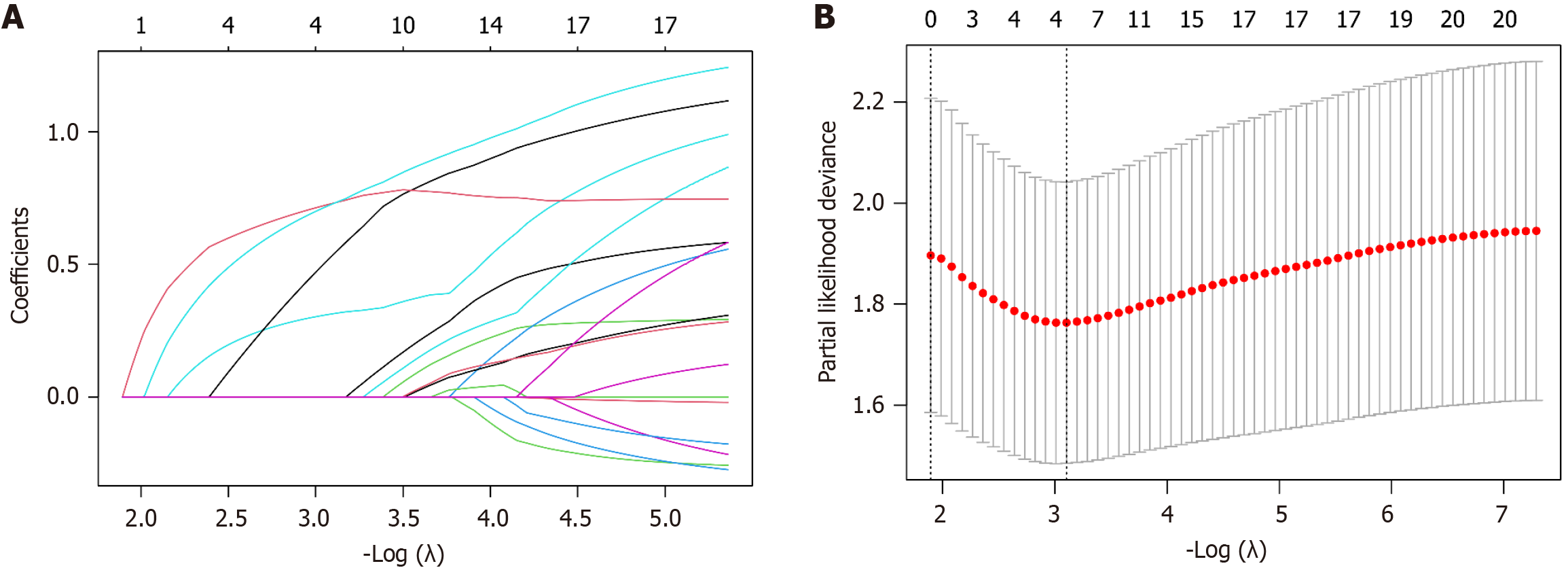
Figure 2 Variable selection using least absolute shrinkage and selection operator regression analysis.
A: Least absolute shrinkage and selection operator coefficient profiles of the variables; B: Selection of the optimal tuning parameter (λ) in the least absolute shrinkage and selection operator model via 10-fold cross-validation.
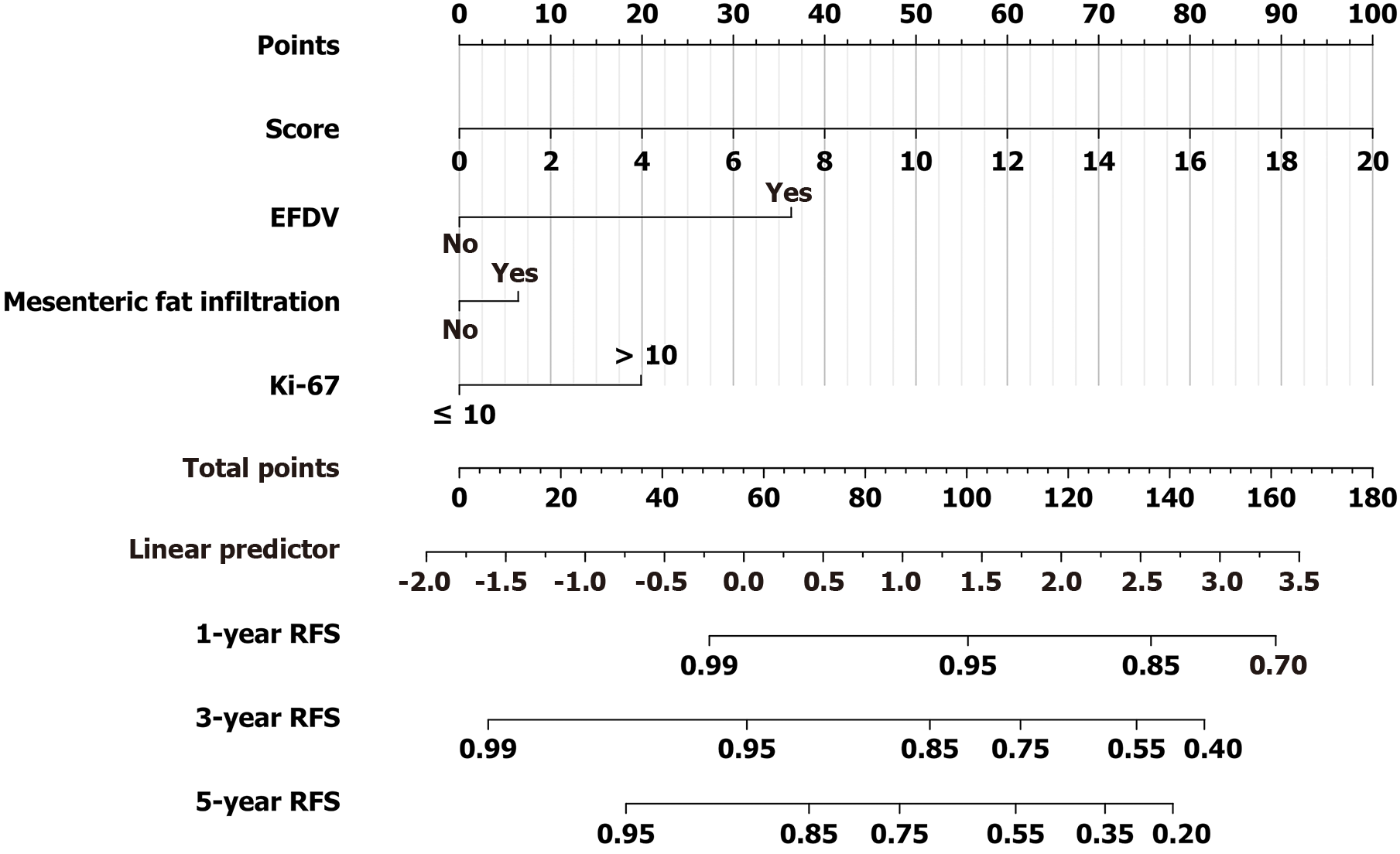
Figure 3 Visualized nomogram for predicting recurrence-free survival in patients with gastrointestinal stromal tumors.
EFDV: Enlarged feeding or draining vessels; RFS: Recurrence-free survival.
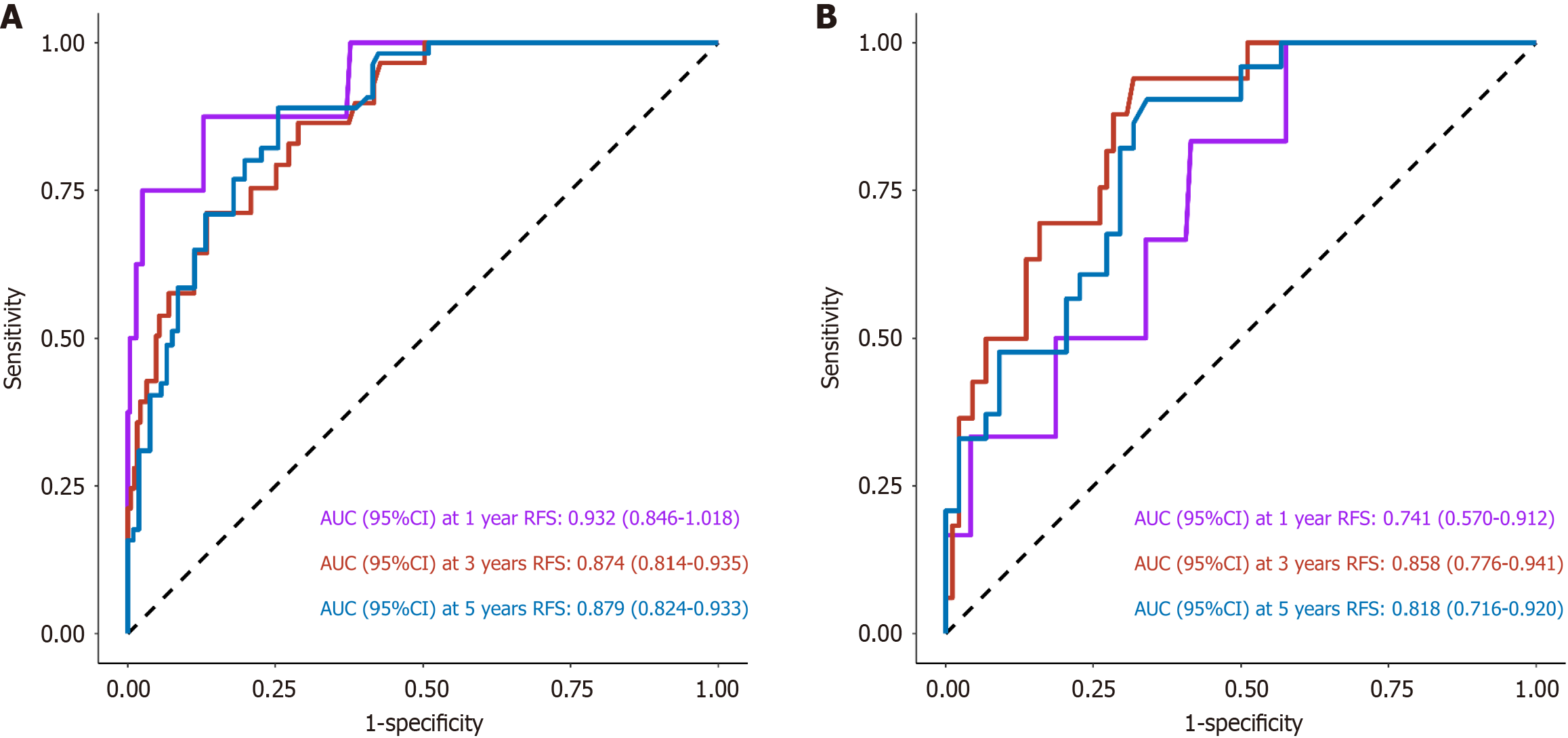
Figure 4 Time-dependent areas under the curve of the training set and validation set.
A: Training set; B: Validation set. AUC: Areas under the curve; CI: Confidence interval; RFS: Recurrence-free survival.
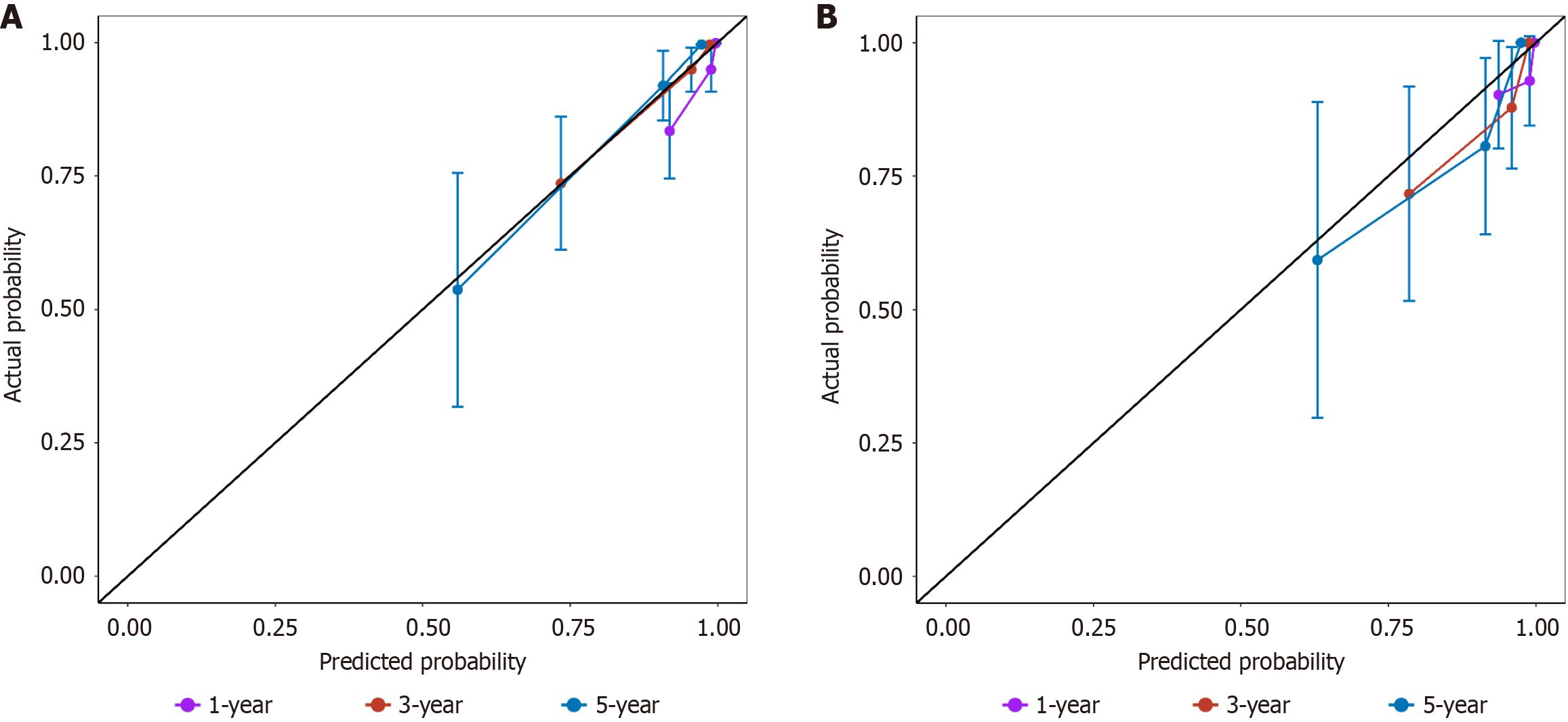
Figure 5 Calibration curves in the training and validation cohorts demonstrated excellent agreement between predicted and observed recurrence-free survival rates at 1-year, 3-years, and 5-years.
A: Training set; B: Validation set.
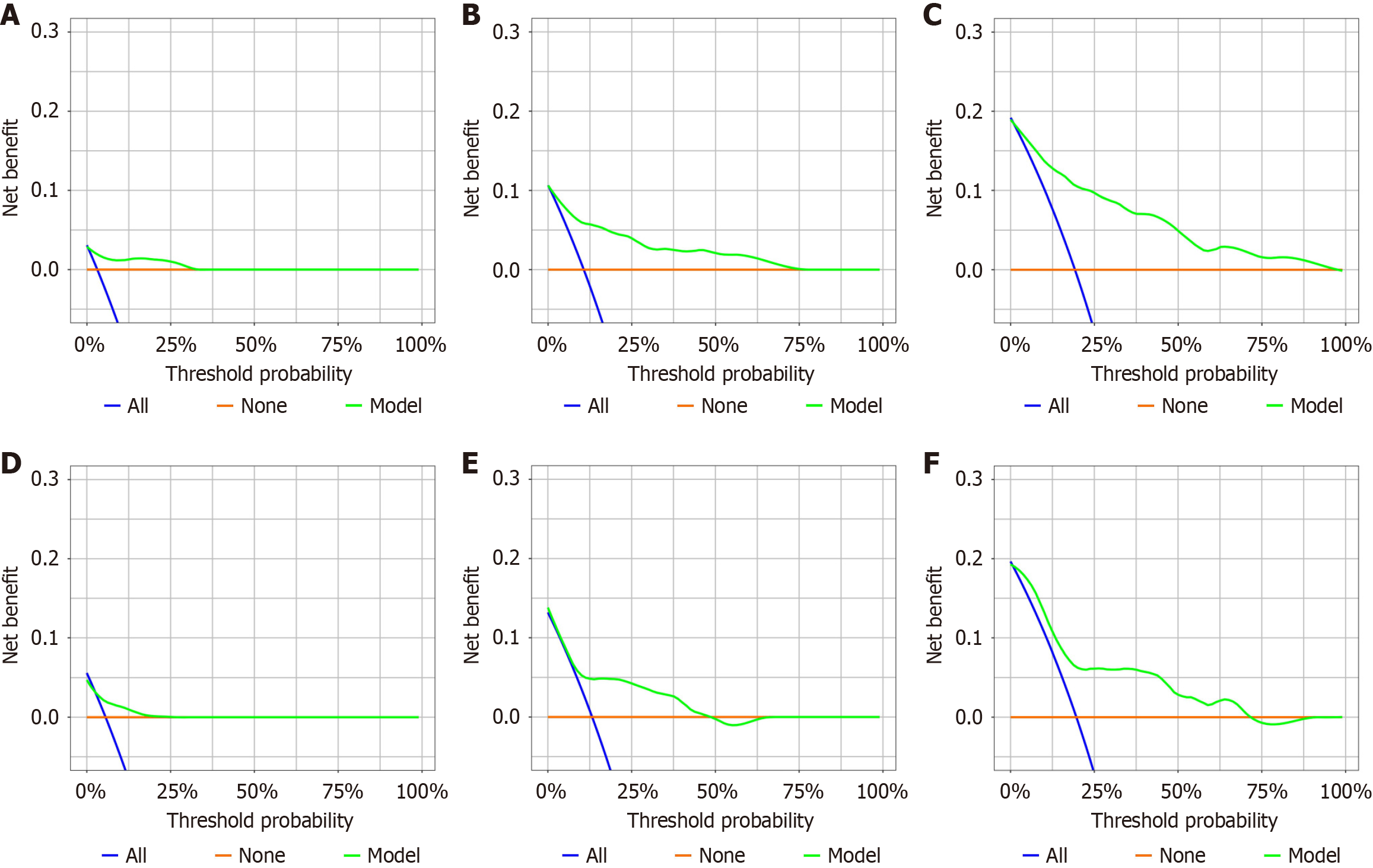
Figure 6 Decision curve analysis for predicting 1-year, 3-year, and 5-year recurrence in the training cohort and the validation cohorts.
A: Training cohort, 1-year recurrence; B: Training cohort, 3-year recurrence; C: Training cohort, 5-year recurrence; D: Validation cohort, 1-year recurrence; E: Validation cohort, 3-year recurrence; F: Validation cohort, 5-year recurrence.
- Citation: Zhao L, Zhao LM, Zheng XH, Zou K, Xie J, Liu XJ. Computed tomography-based nomogram for predicting recurrence of gastrointestinal stromal tumors. World J Gastroenterol 2027; 33(3): 123685
- URL: https://www.wjgnet.com/1007-9327/full/v33/i3/123685.htm
- DOI: https://dx.doi.org/10.3748/wjg.123685