
















Copyright: ©Author(s) 2027.
World J Gastroenterol. Jan 7, 2027; 33(1): 124775
Published online Jan 7, 2027. doi: 10.3748/wjg.124775
Published online Jan 7, 2027. doi: 10.3748/wjg.124775
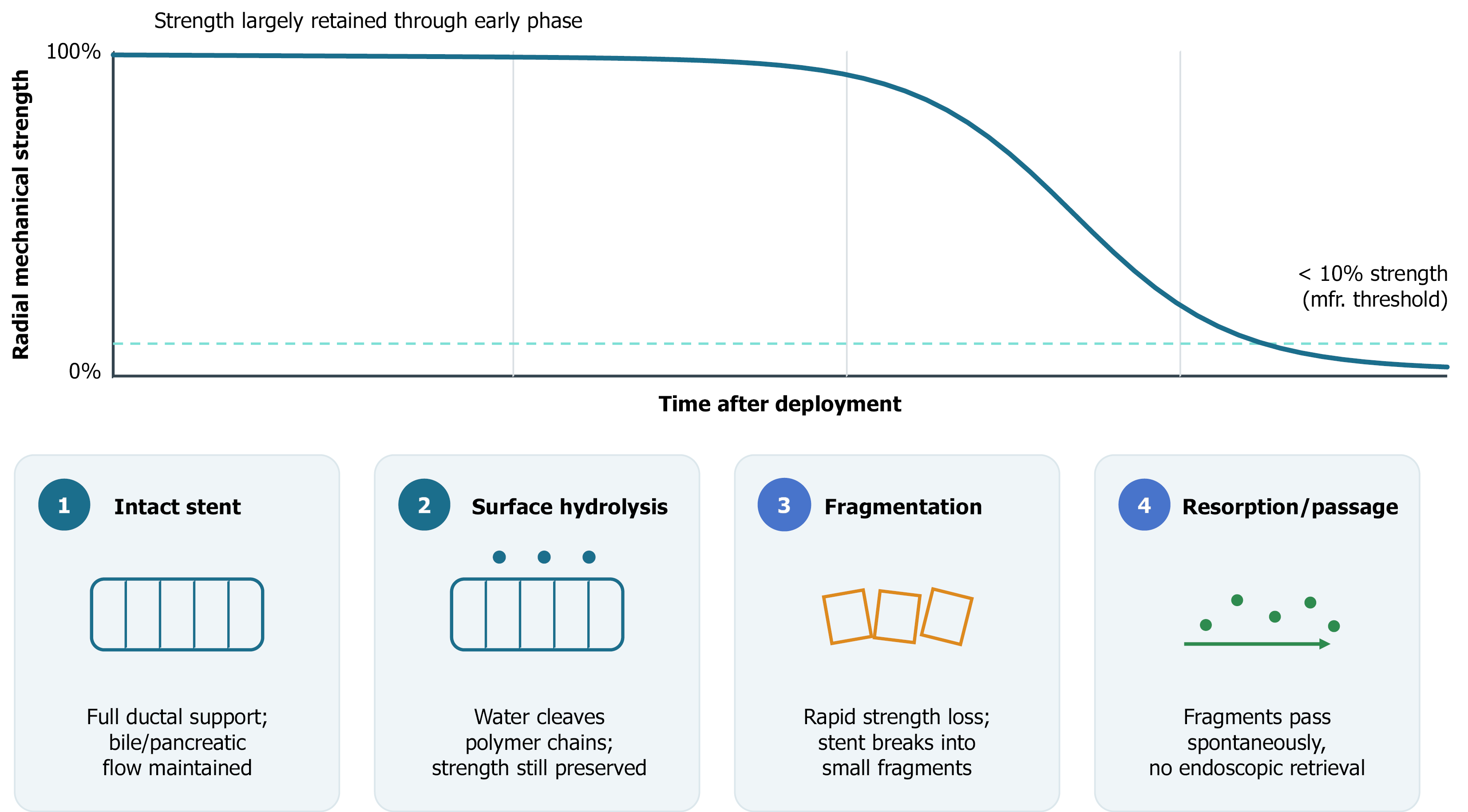
Figure 1 Degradation of a biodegradable pancreatobiliary stent by hydrolysis.
Mechanical strength is largely retained through the early phase and falls rapidly in the later phase, when the device fragments and the fragments pass spontaneously without endoscopic retrieval. Degradation timelines are polymer-dependent [e.g., polydioxanone: (1) Fast approximately 12 days; (2) Medium approximately 20 days; (3) Slow approximately 11 weeks; and (4) Magnesium-alloy biliary platforms approximately 1-6 months].
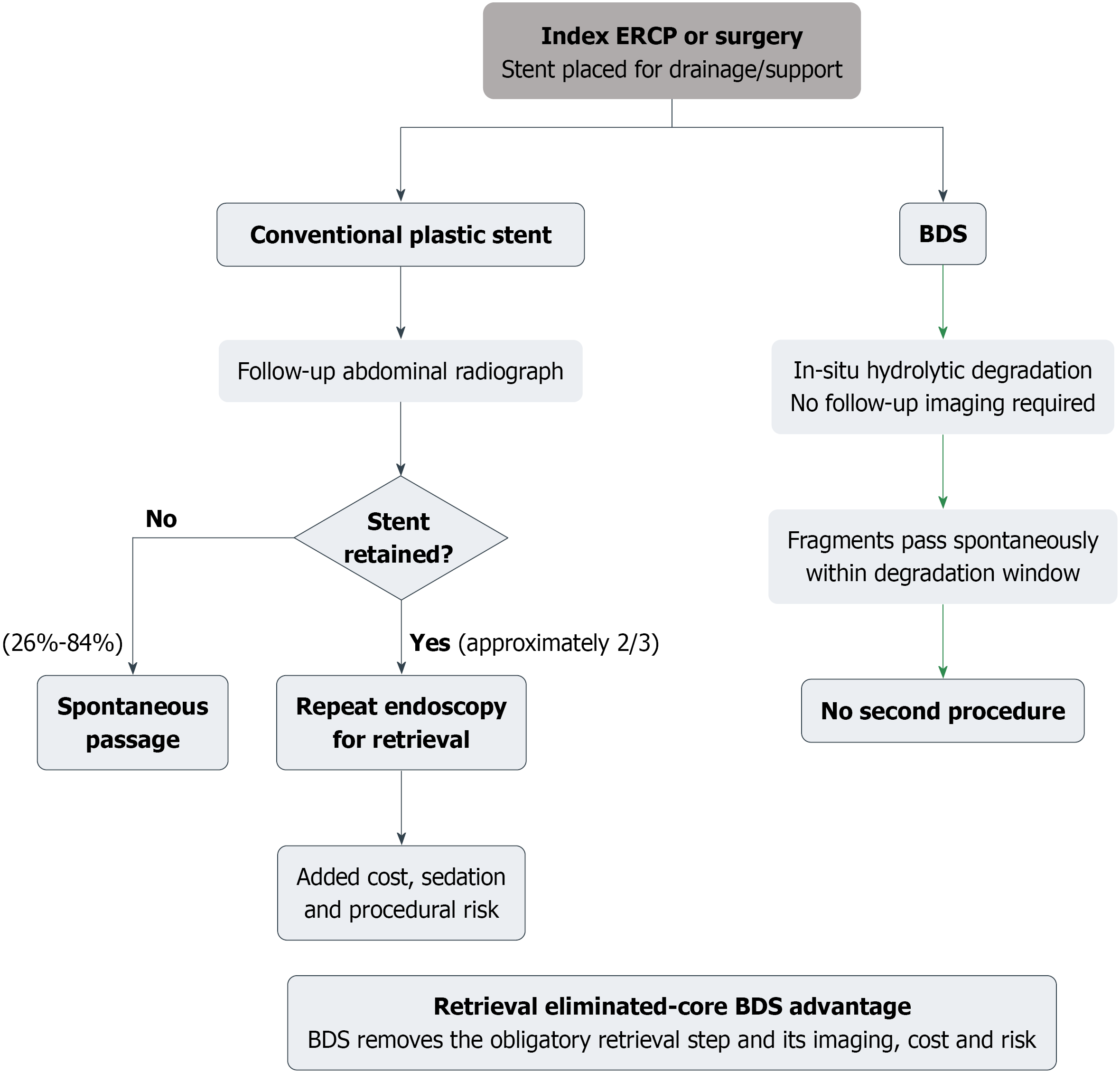
Figure 2 Comparative diagnosis-and-treatment workflow: Biodegradable vs conventional plastic stent.
The conventional pathway requires follow-up imaging and, in approximately two-thirds of patients, repeat endoscopy for retrieval; the biodegradable pathway eliminates both by in situ degradation and spontaneous passage. Migration/passage ranges per Gromski et al[5] and McGarrigle et al[14]. BDS: Biodegradable stents; ERCP: Endoscopic retrograde cholangiopancreatography.
- Citation: Jan STA, Abbasi A, Menon S. Preventive role of biodegradable pancreatobiliary stents. World J Gastroenterol 2027; 33(1): 124775
- URL: https://www.wjgnet.com/1007-9327/full/v33/i1/124775.htm
- DOI: https://dx.doi.org/10.3748/wjg.124775