
















Copyright: ©Author(s) 2027.
World J Gastroenterol. Jan 7, 2027; 33(1): 122422
Published online Jan 7, 2027. doi: 10.3748/wjg.122422
Published online Jan 7, 2027. doi: 10.3748/wjg.122422
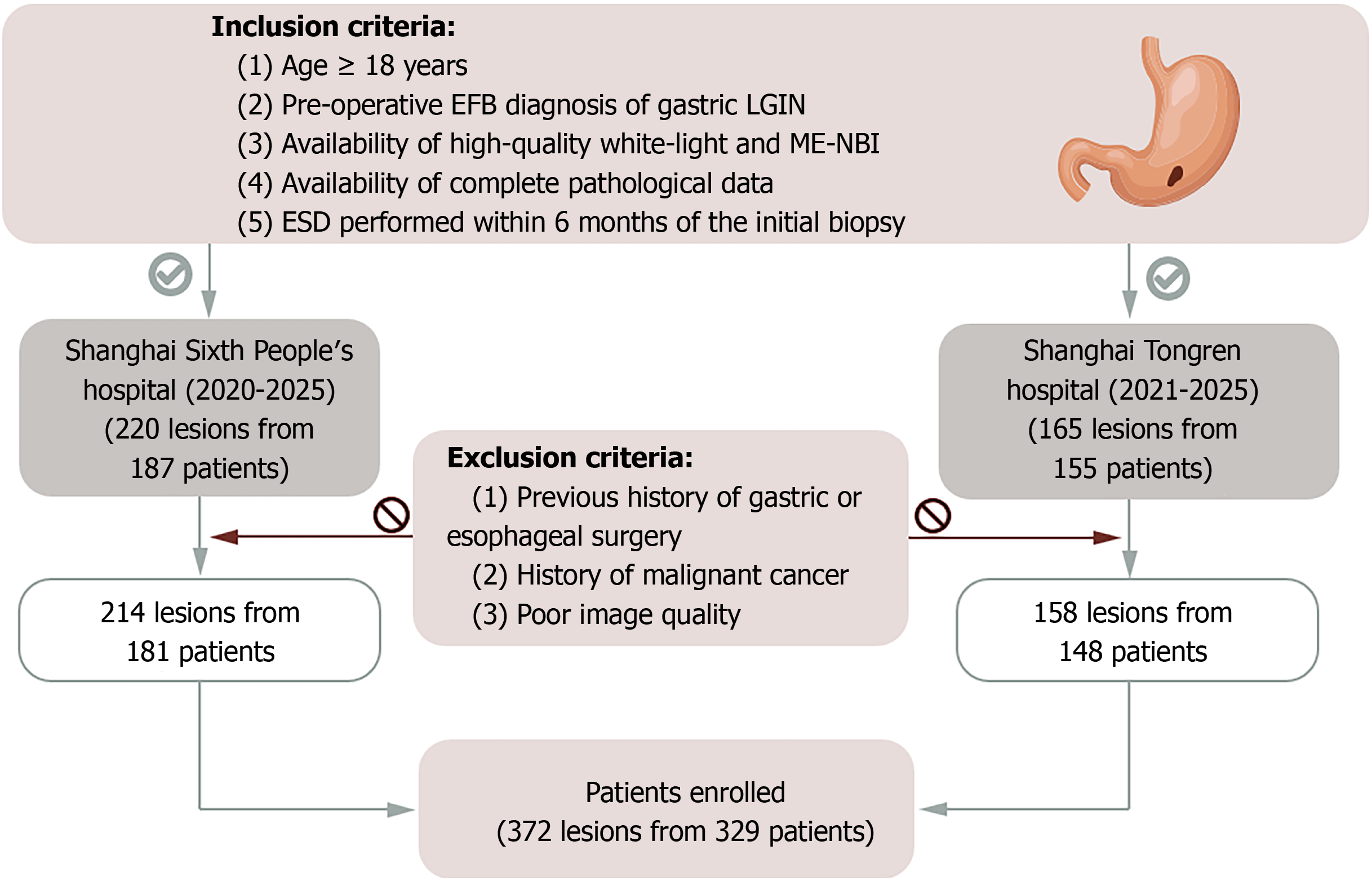
Figure 1 Flowchart of patient enrollment.
EFB: Endoscopic forceps biopsy; LGIN: Low-grade intraepithelial neoplasia; ME-NBI: Magnifying endoscopy with narrow-band imaging; ESD: Endoscopic submucosal dissection.
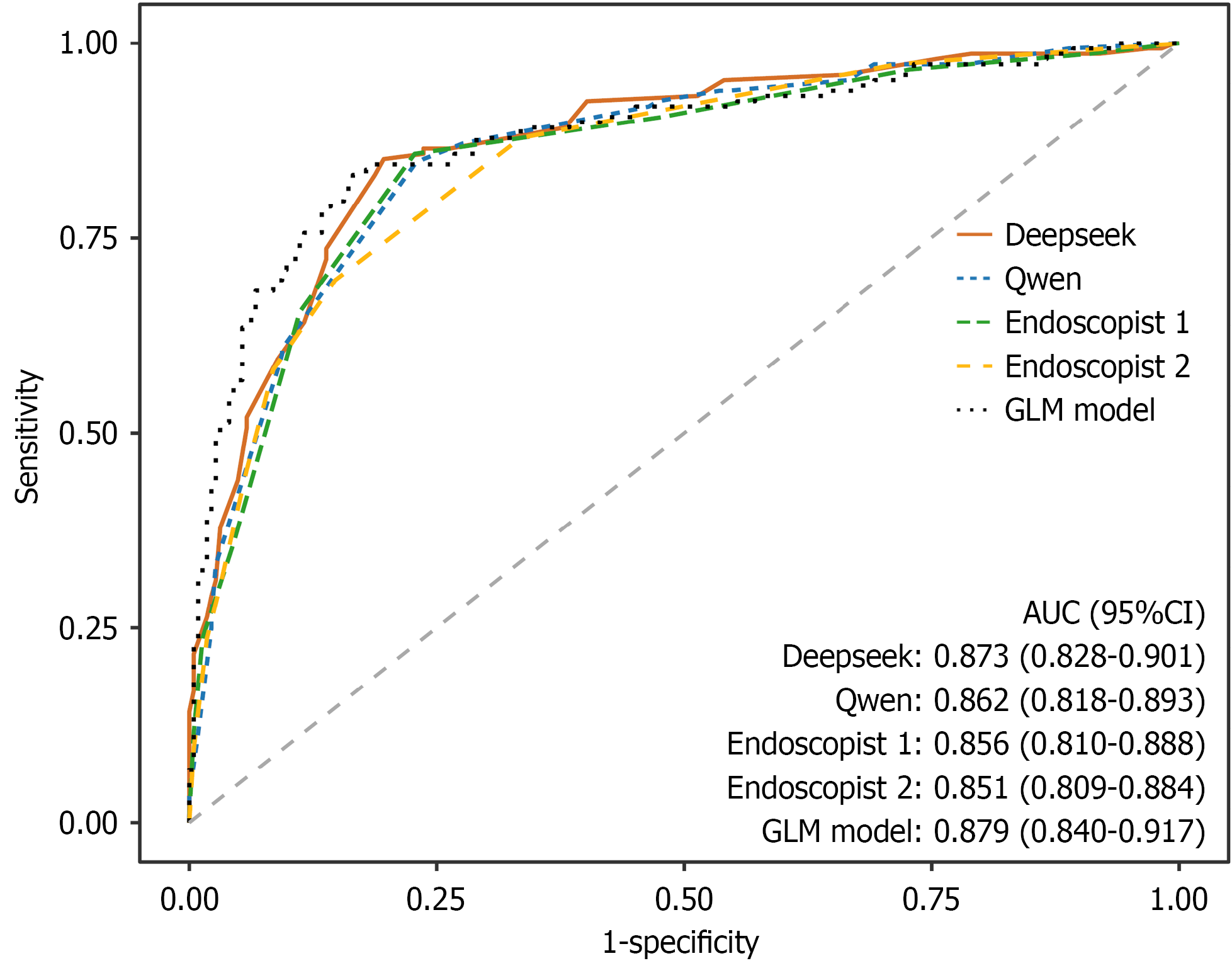
Figure 2 Model discriminative performance.
Receiver operating characteristic curves for the retrieval-augmented generation-enhanced large language models and experienced endoscopists in predicting pathological upgrading in gastric low-grade intraepithelial neoplasia. AUC: Area under the receiver operating characteristic curve; 95%CI: 95% confidence interval; GLM: Generalized linear mixed.
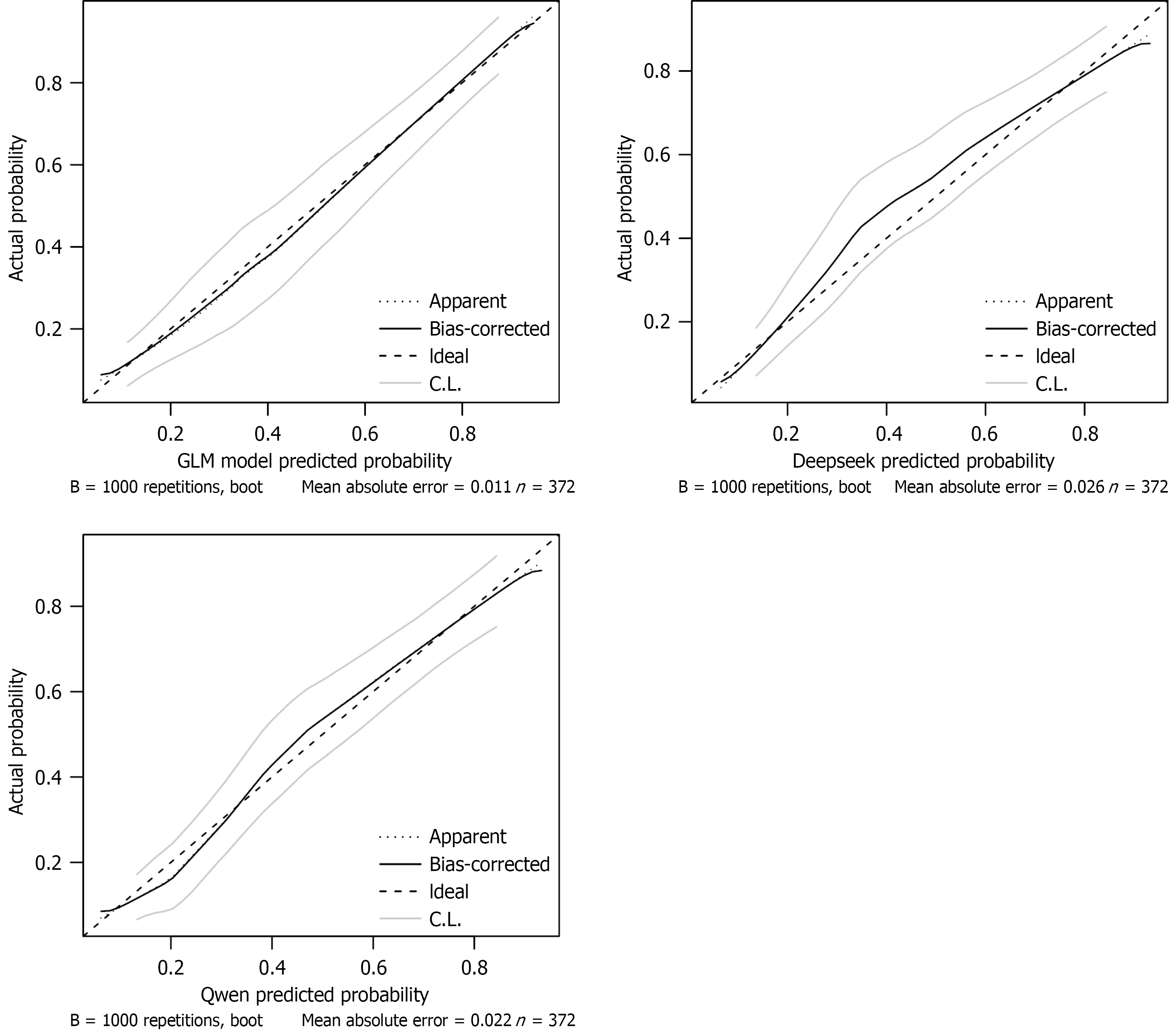
Figure 3 Model calibration curves.
The dotted line (apparent) represents the performance of the retrieval-augmented generation-enhanced large language models, whereas the solid line (bias-corrected) accounts for and adjusts potential biases. The diagonal reference line (ideal) indicates perfect calibration, where the predictions match the observed outcomes exactly. GLM: Generalized linear mixed.
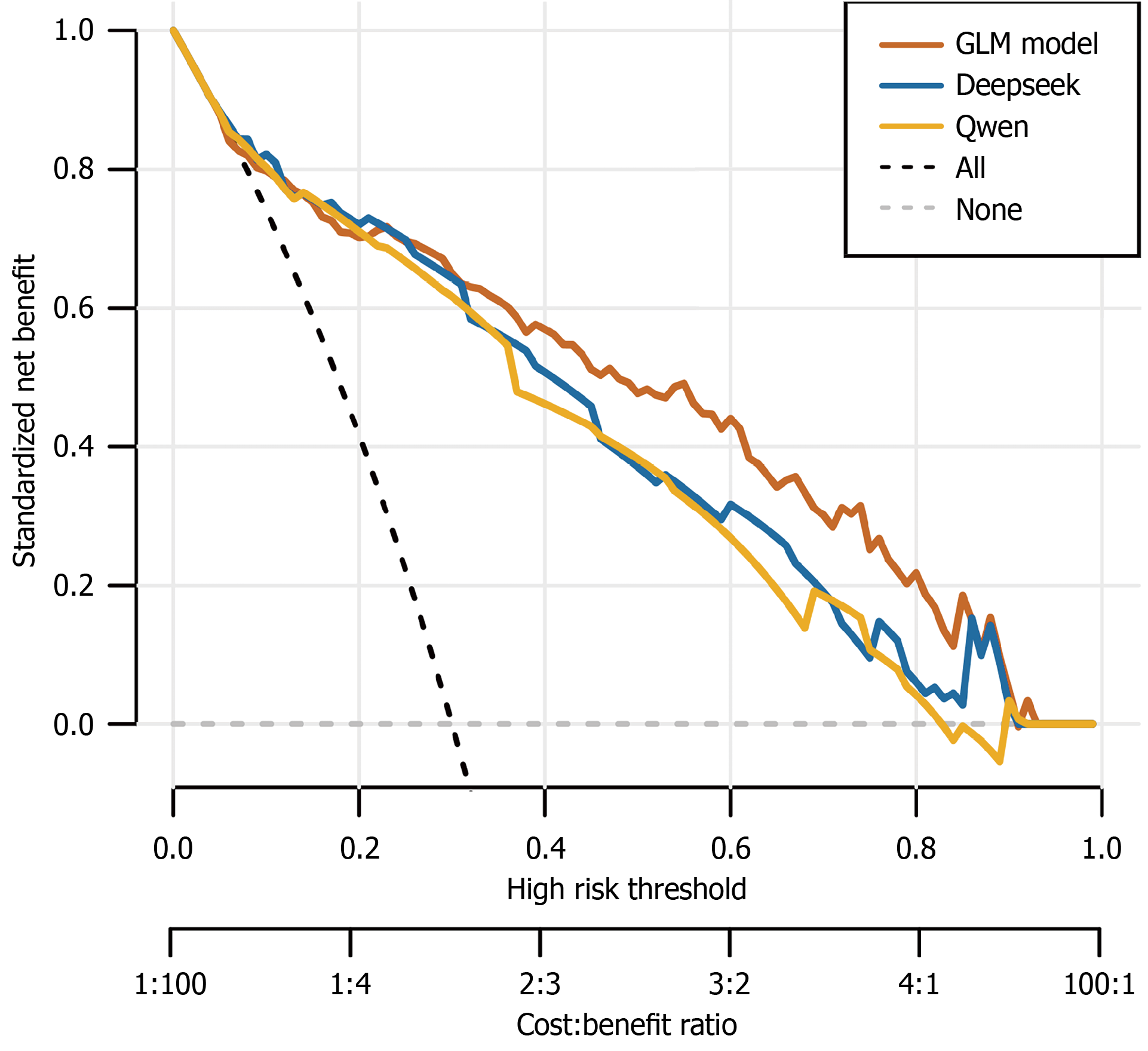
Figure 4 Decision curve analysis on the prediction models.
The net benefit of using the retrieval-augmented generation-enhanced large language models across various threshold probabilities is compared to the strategies of treating all patients or following up all patients. GLM: Generalized linear mixed.
- Citation: Zhuang Q, Cheng JN, Zheng YL, Wu S, Chu YM, Zhou L, Xia J, Ning M, Peng HX, Wan XJ, Dong ZX. Retrieval-augmented generation models for predicting pathological upgrading in endoscopically resected gastric low-grade intraepithelial neoplasia: A dual-center evaluation. World J Gastroenterol 2027; 33(1): 122422
- URL: https://www.wjgnet.com/1007-9327/full/v33/i1/122422.htm
- DOI: https://dx.doi.org/10.3748/wjg.122422