
















Copyright: ©Author(s) 2026.
World J Gastroenterol. Dec 7, 2026; 32(45): 120646
Published online Dec 7, 2026. doi: 10.3748/wjg.120646
Published online Dec 7, 2026. doi: 10.3748/wjg.120646
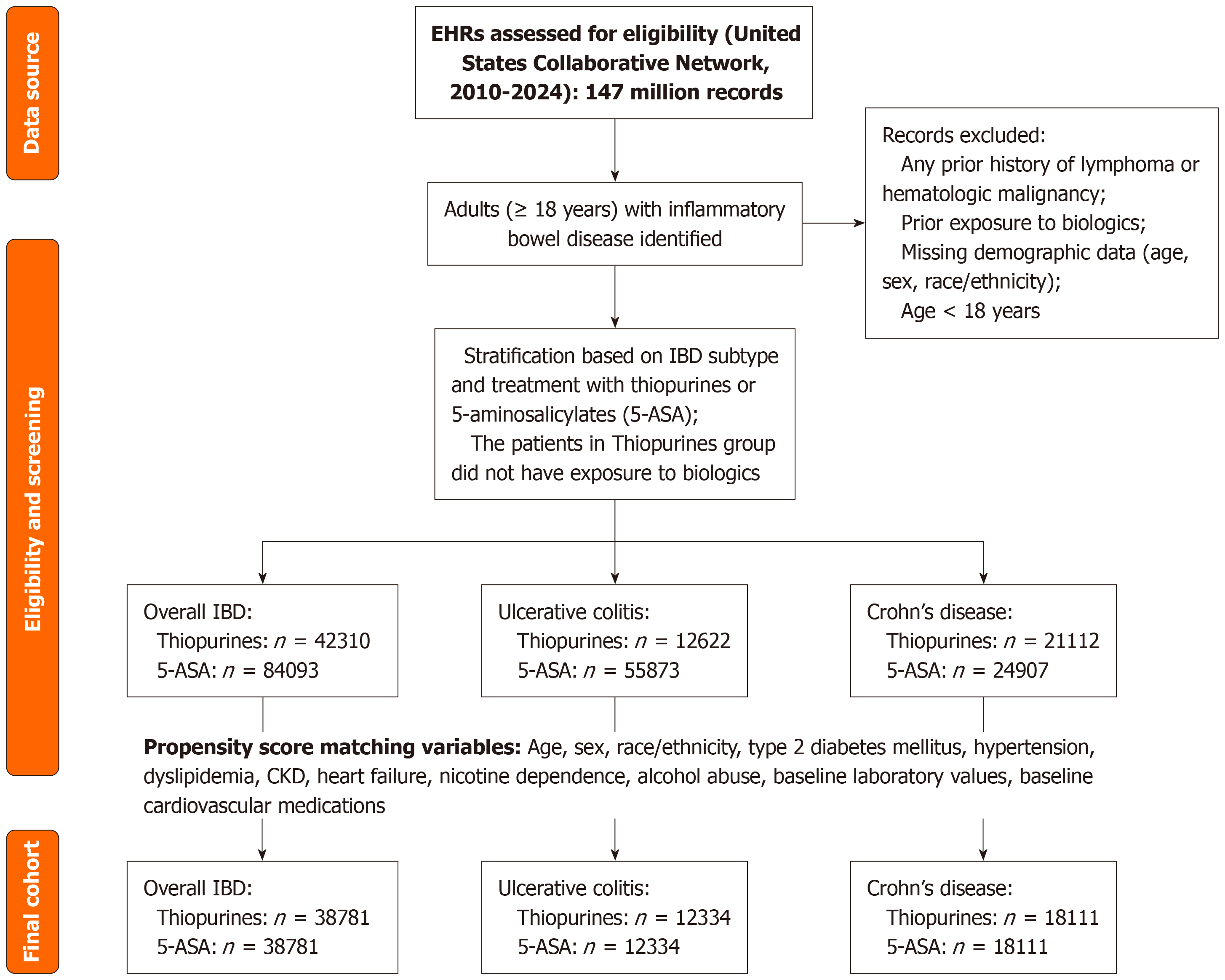
Figure 1 Flowchart explaining the flow of the study.
EHR: Electronic health record; 5-ASA: 5-aminosalicylates; IBD: Inflammatory bowel disease; CKD: Chronic kidney disease.
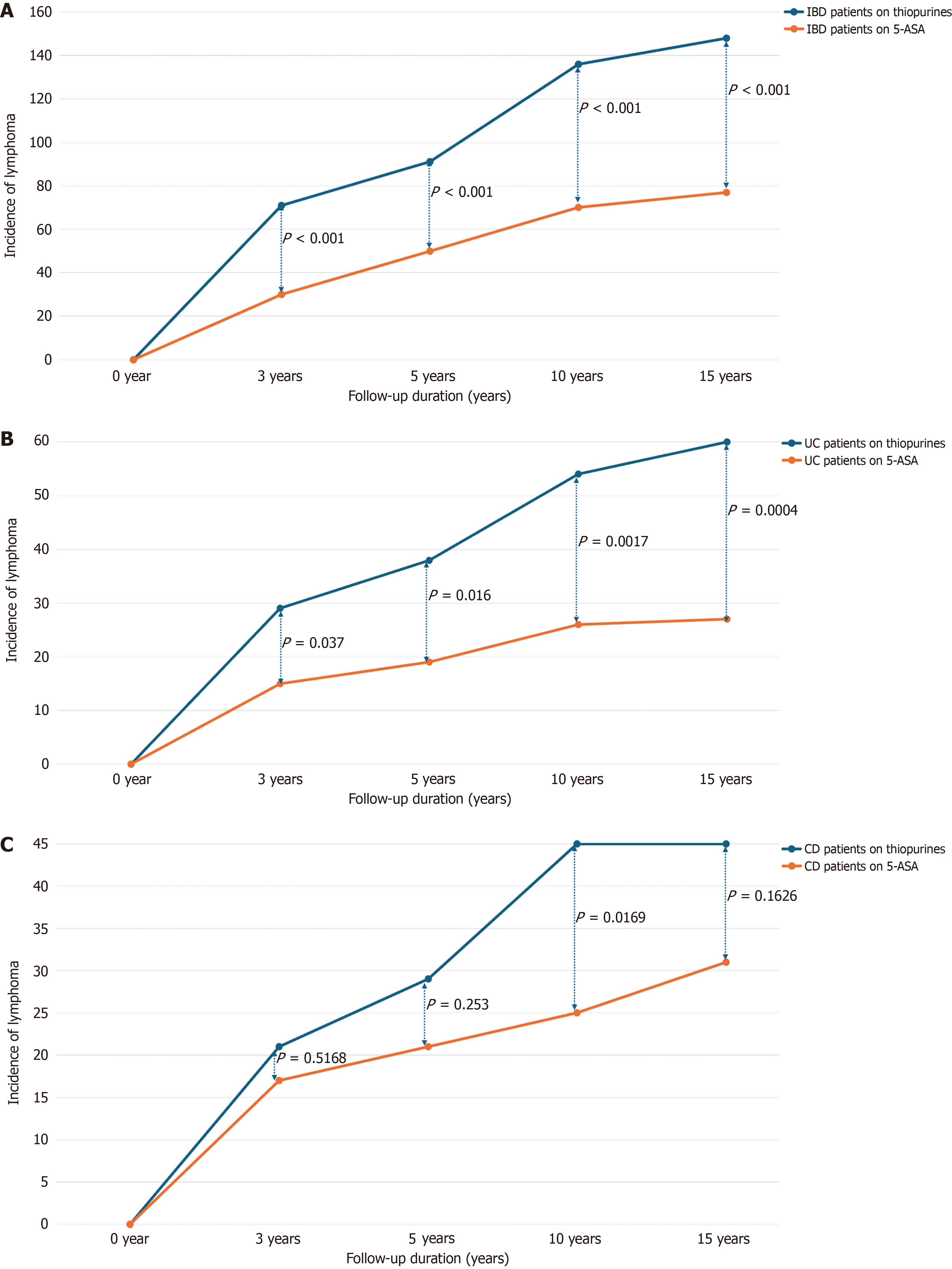
Figure 2 Cumulative lymphoma cases following initiation of thiopurines vs 5-aminosalicylates in patients.
A: Inflammatory bowel disease. Cumulative number of incident lymphoma diagnoses observed at 3 years, 5 years, 10 years, and 15 years following treatment initiation in propensity score-matched cohorts (n = 38781 per group); B: Ulcerative colitis. Cumulative number of incident lymphoma diagnoses observed at 3 years, 5 years, 10 years, and 15 years following treatment initiation in propensity score-matched cohorts (n = 12334 per group); C: Crohn’s disease. Cumulative number of incident lymphoma diagnoses observed at 3 years, 5 years, 10 years, and 15 years following treatment initiation in propensity score-matched cohorts (n = 18111 per group). Lymphoma cases accumulated progressively over time in both groups, with a greater numerical increase observed among thiopurine-treated patients beginning at 3 years of follow-up. Counts represent total incident events recorded within each prespecified follow-up interval. Estimates at later timepoints (10 years and 15 years) reflect progressively smaller subsets of patients with longer observable follow-up within the network. 5-ASA: 5-aminosalicylates; IBD: Inflammatory bowel disease; UC: Ulcerative colitis; CD: Crohn’s disease.
- Citation: Goyal MK, Chowdhary R, Patel M, Landsman M, Arora K, Kalra S, Chowdhary R, Vuthaluru AR, Subhasri Guna SD, Sharma V. Long-term lymphoma risk in thiopurine-treated inflammatory bowel disease: A 15-year propensity-matched cohort study. World J Gastroenterol 2026; 32(45): 120646
- URL: https://www.wjgnet.com/1007-9327/full/v32/i45/120646.htm
- DOI: https://dx.doi.org/10.3748/wjg.120646