
















Copyright: ©Author(s) 2026.
World J Clin Cases. Sep 26, 2026; 14(27): 126695
Published online Sep 26, 2026. doi: 10.12998/wjcc.126695
Published online Sep 26, 2026. doi: 10.12998/wjcc.126695
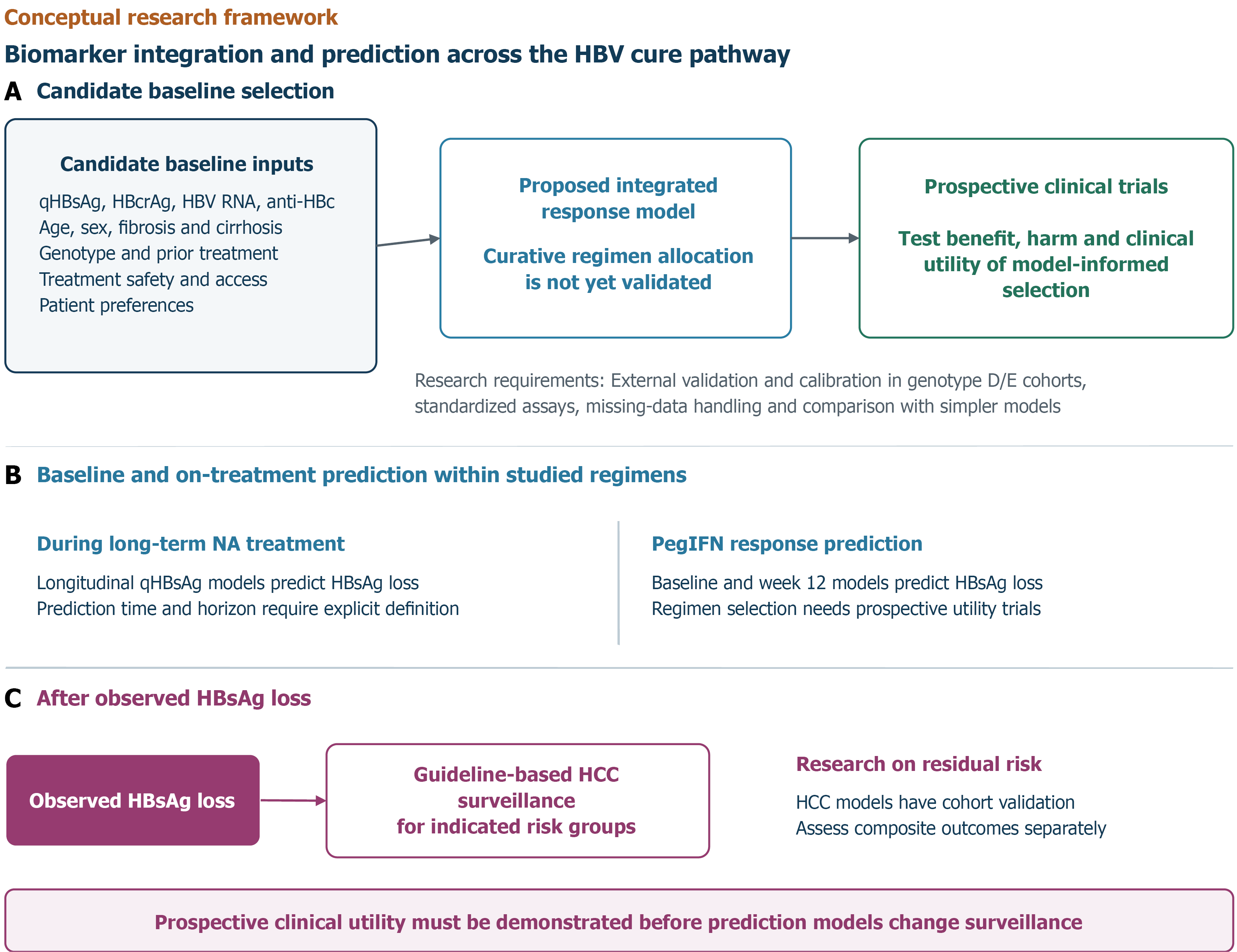
Figure 2 Conceptual research framework for precision stratification.
A: Candidate baseline inputs require model development, external validation and prospective utility trials; no integrated regimen selector is validated; B: Existing longitudinal quantitative hepatitis B surface antigen models during nucleos(t)ide analogue therapy and week-12 alanine aminotransferase/hepatitis B surface antigen (HBsAg) prediction during pegylated interferon (PegIFN) address different outcomes and timepoints. Baseline PegIFN models predict within-regimen outcomes; neither baseline nor on-treatment prediction establishes comparative regimen allocation or adaptation utility; C: After HBsAg loss, hepatocellular carcinoma surveillance follows guideline indications. HCC-specific risk and composite liver-related outcomes require separate validation before changing surveillance. Genotype D/E calibration and clinical utility remain research priorities[26,36,38,39,41,48,51-55]. HBV: Hepatitis B virus; qHBsAg: Quantitative hepatitis B surface antigen; HBcrAg: Hepatitis B core-related antigen; anti-HBc: Antibody to hepatitis B core antigen; HCC: Hepatocellular carcinoma; PegIFN: Pegylated interferon; HBsAg: Hepatitis B surface antigen; NA: Nucleos(t)ide analogue; ALT: Alanine aminotransferase.
- Citation: Salman A. Precision stratification for hepatitis B functional cure: Biomarkers, machine learning and the combination-therapy era. World J Clin Cases 2026; 14(27): 126695
- URL: https://www.wjgnet.com/2307-8960/full/v14/i27/126695.htm
- DOI: https://dx.doi.org/10.12998/wjcc.126695