
















©The Author(s) 2026.
World J Pharmacol. Jan 19, 2026; 15(1): 113080
Published online Jan 19, 2026. doi: 10.5497/wjp.v15.i1.113080
Published online Jan 19, 2026. doi: 10.5497/wjp.v15.i1.113080
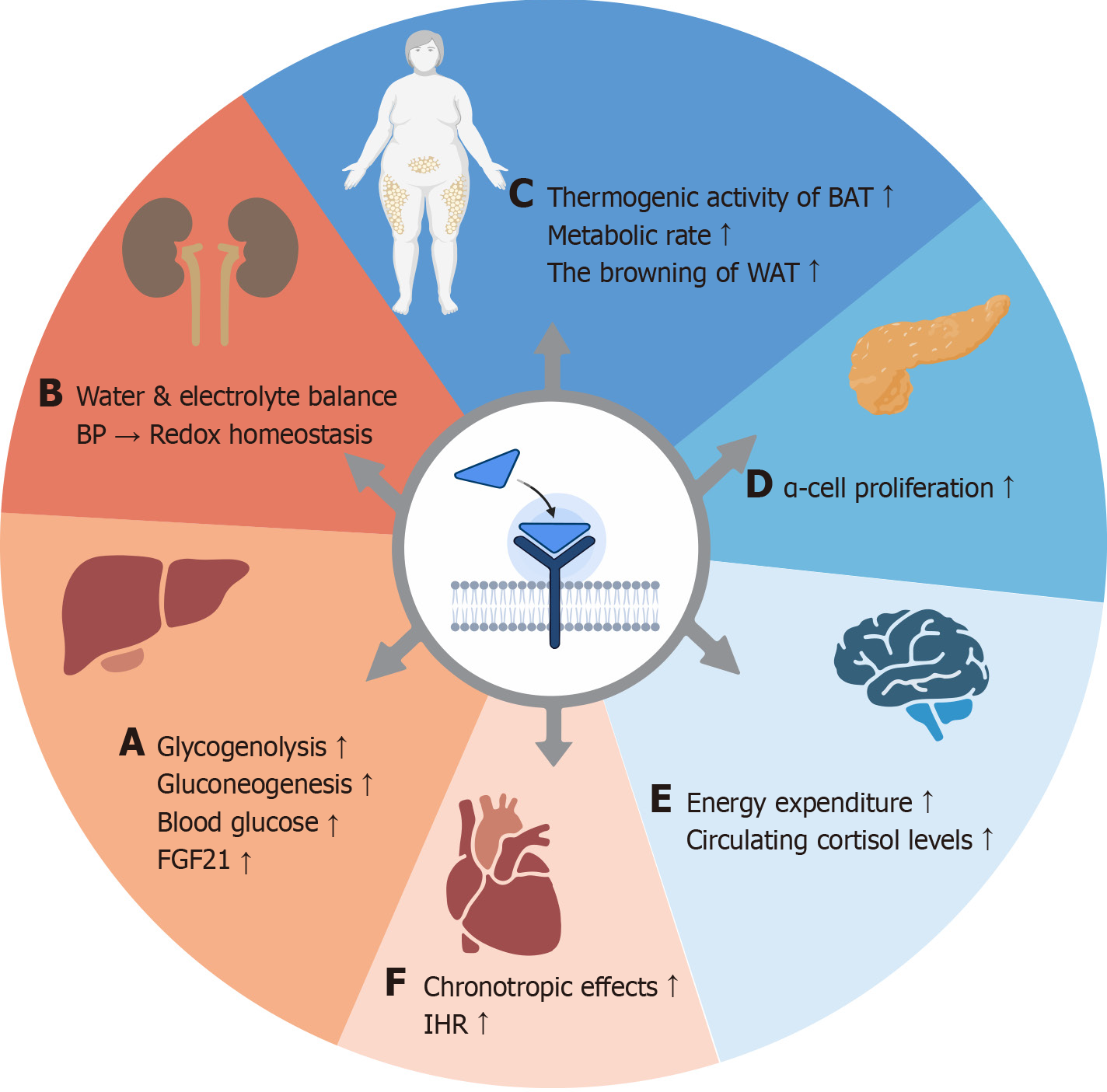
Figure 3 Physiological effects of glucagon.
The physiological effects of glucagon are extensive. A: In the liver, glucagon activation stimulates glycogen phosphorylase kinase, increases circulating fibroblast growth factor 21, upregulates the expression of phosphoenolpyruvate carboxykinase and glucose-6-phosphatase, promotes glycogenolysis and gluconeogenesis, and thus increases blood glucose; B: In the kidney, glucagon is crucial for maintaining water and electrolyte balance, blood pressure, and redox homeostasis; C: In adipose tissue, glucagon can act on brown adipose tissue and white adipose tissue and augment the metabolic rate; D: In the pancreas, glucagon activation may cause the proliferation of α cells; E: In the central nervous system, glucagon can influence energy expenditure; F: In the heart, glucagon participates in the enhancement of intrinsic heart rate. BP: Blood pressure; BAT: Brown adipose tissue; WAT: White adipose tissue; FGF21: Fibroblast growth factor 21; IHR: Intrinsic heart rate.
- Citation: Deng CX, Chen ZM, Tang YX, Xi ZX, Wang SY, Wu HY, Xu B, Xu TC. Mazdutide: An emerging glucagon/GCG-like peptide-1 dual receptor agonist for obesity—a comparison of therapeutic effects and potential side effects with GCG-like peptide-1 inhibitors. World J Pharmacol 2026; 15(1): 113080
- URL: https://www.wjgnet.com/2220-3192/full/v15/i1/113080.htm
- DOI: https://dx.doi.org/10.5497/wjp.v15.i1.113080