











Copyright: ©Author(s) 2026.
World J Crit Care Med. Sep 9, 2026; 15(3): 123372
Published online Sep 9, 2026. doi: 10.5492/wjccm.123372
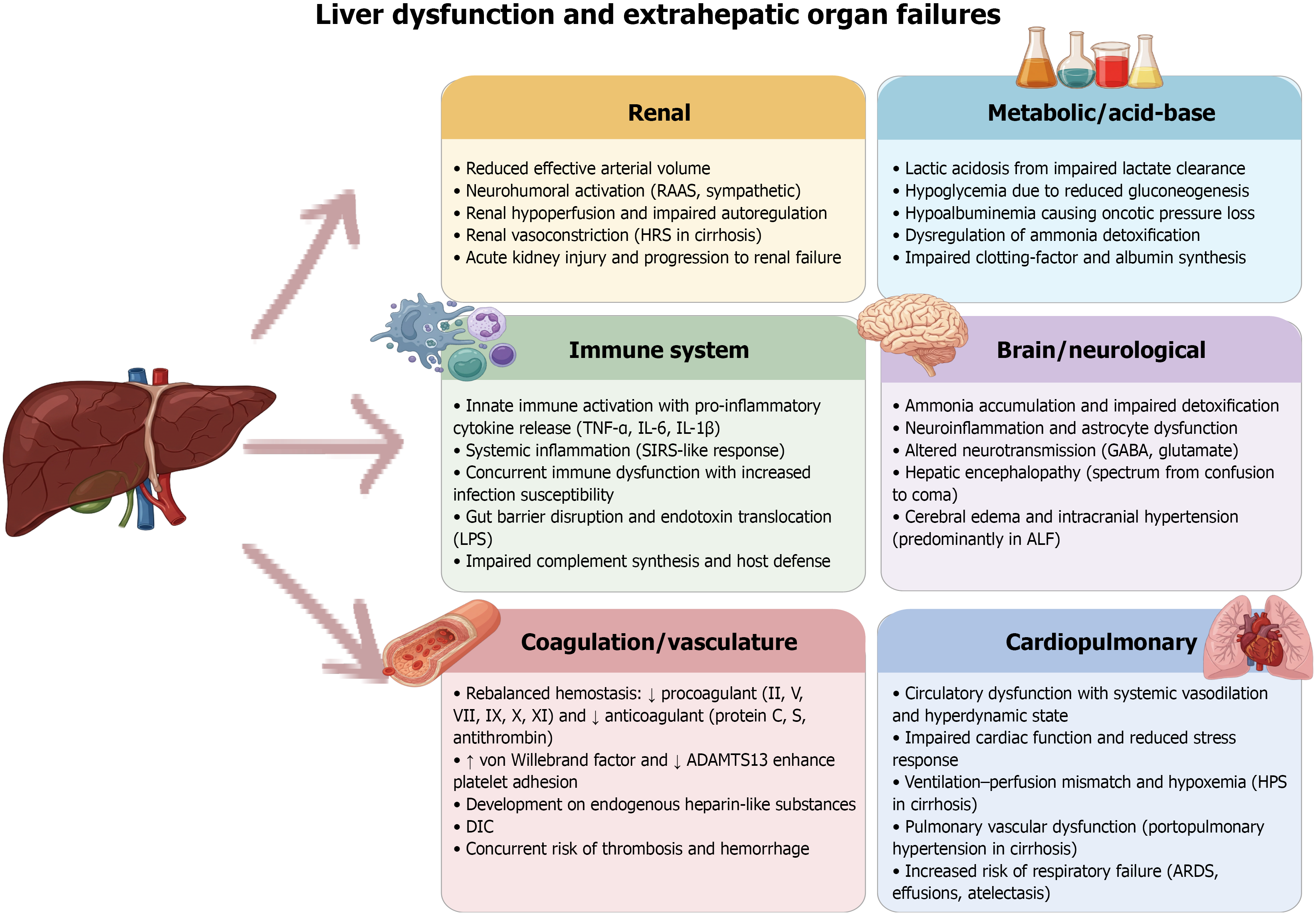
Figure 1 Systemic consequences of liver dysfunction and the development of extrahepatic organ failure although liver injury is the defi ning feature of acute liver failure and acute-on-chronic liver failure, patient outcomes are largely determined by the development of extrahepatic organ dysfunction.
The figure highlights the major pathophysiological pathways linking hepatic failure to renal, neurological, cardiopulmonary, coagulation, metabolic, and immune abnormalities, emphasizing the systemic nature of critical illness in patients with severe liver disease and the need for multidisciplinary management. RAAS: Renin-angiotensin-aldosterone system; HRS: Hepatorenal syndrome; TNF: Tumor necrosis factor; IL: Interleukin; SIRS: Systemic inflammatory response syndrome; LPS: Lipopolysaccharide; DIC: Disseminated intravascular coagulation; ALF: Acute liver failure; ARDS: Acute respiratory distress syndrome; HRS-AKI: Hepatorenal syndrome-acute kidney injury.
- Citation: Kosuta I, Curcic Karabaic E, Beluhan N, Zlopasa F, Babel J. Critical care hepatology: A narrative review of current concepts and management. World J Crit Care Med 2026; 15(3): 123372
- URL: https://www.wjgnet.com/2220-3141/full/v15/i3/123372.htm
- DOI: https://dx.doi.org/10.5492/wjccm.123372