
















Copyright: ©Author(s) 2026.
World J Crit Care Med. Sep 9, 2026; 15(3): 122632
Published online Sep 9, 2026. doi: 10.5492/wjccm.122632
Published online Sep 9, 2026. doi: 10.5492/wjccm.122632
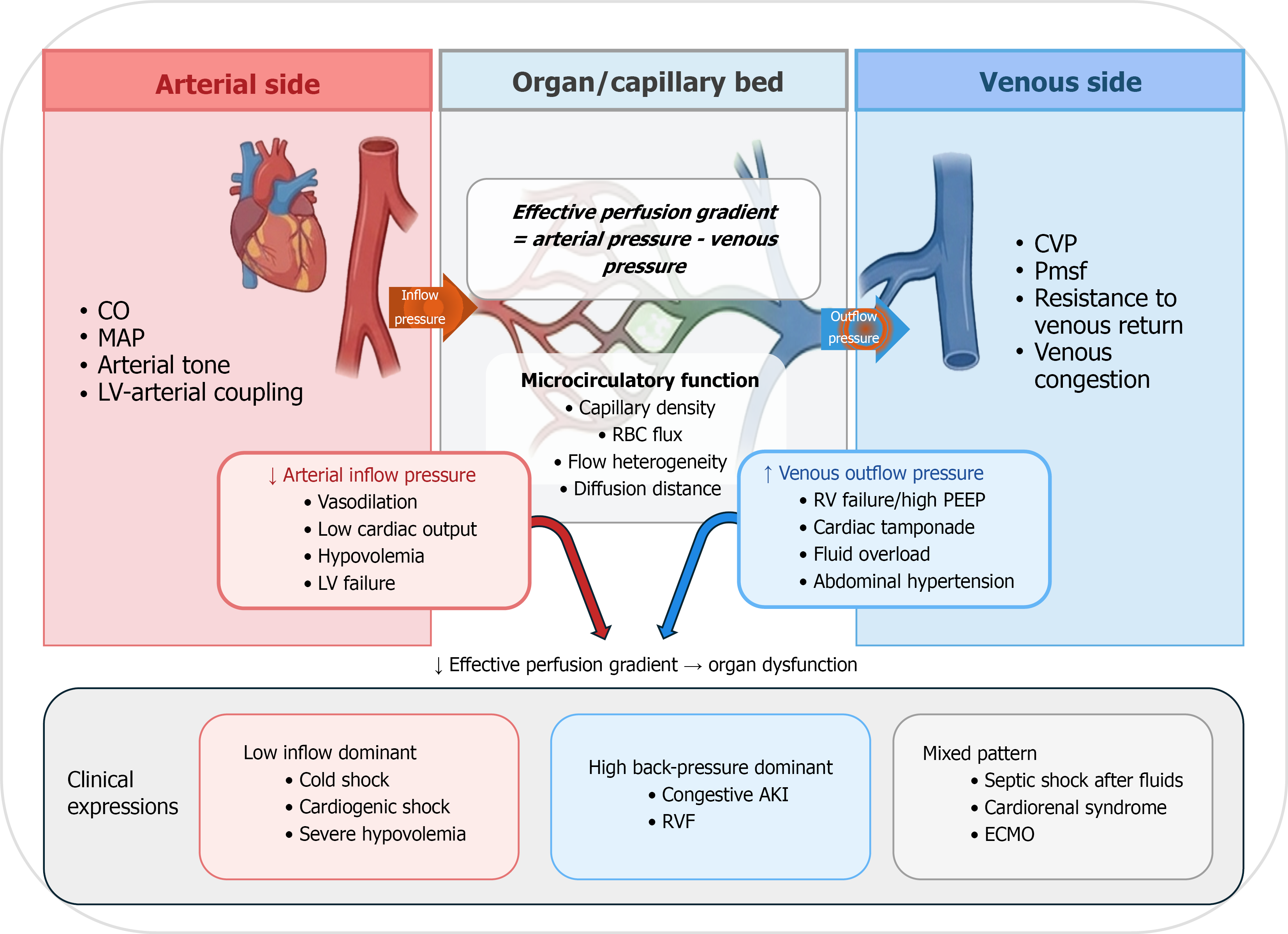
Figure 1 Integrated arterial-venous perfusion gradient model incorporating microcirculatory function.
Schematic representation of the relationship between arterial inflow, venous outflow pressure, and the effective perfusion gradient at the level of the organ capillary bed. The gradient is determined by the difference between arterial and venous pressures and is further modulated by microcirculatory factors including capillary density, red blood cell flux, flow heterogeneity, and diffusion distance. Disturbances in arterial inflow, elevations in venous pressure, or their combination reduce the effective perfusion gradient and contribute to organ dysfunction, with distinct clinical expression patterns. AKI: Acute kidney injury; CO: Cardiac output; CVP: Central venous pressure; ECMO: Extracorporeal membrane oxygenation; LV: Left ventricle; MAP: Mean arterial pressure; PEEP: Positive end-expiratory pressure; RVF: Right ventricular failure; RBC: Red blood cell; RV: Right ventricle; Pmsf: Mean systemic filling pressure.
- Citation: Kataria S, Vinjamuri S, Juneja D, Goel S. Venous dimension of shock: Integrating arterial inflow and venous back-pressure in hemodynamic assessment. World J Crit Care Med 2026; 15(3): 122632
- URL: https://www.wjgnet.com/2220-3141/full/v15/i3/122632.htm
- DOI: https://dx.doi.org/10.5492/wjccm.122632