
















Copyright: ©Author(s) 2026.
World J Crit Care Med. Sep 9, 2026; 15(3): 120314
Published online Sep 9, 2026. doi: 10.5492/wjccm.120314
Published online Sep 9, 2026. doi: 10.5492/wjccm.120314
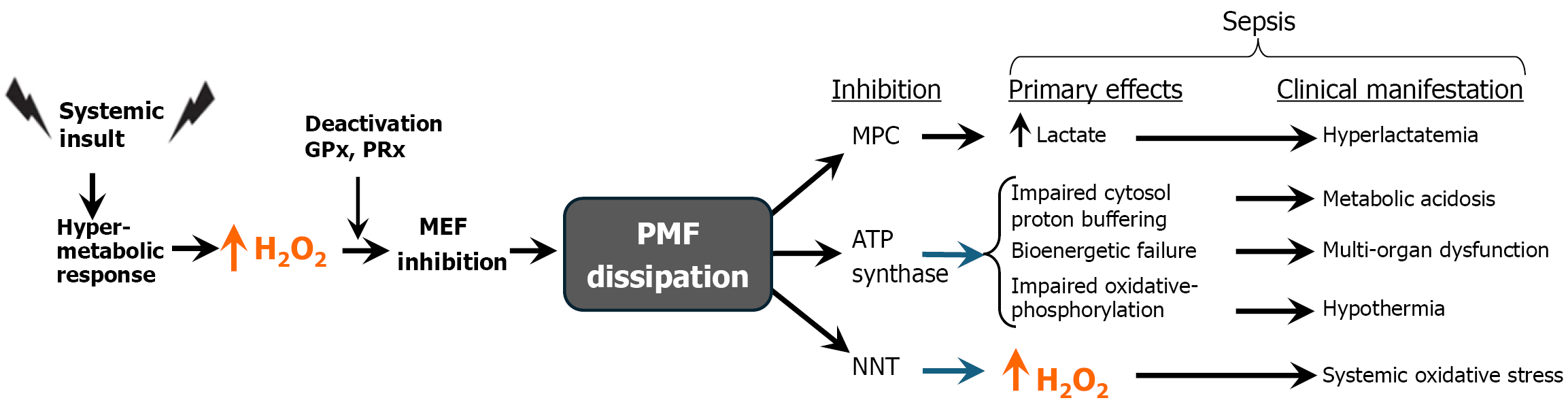
Figure 6 Overview of Sepsis Pathogenesis.
A systemic insult triggers a hypermetabolic response that markedly elevates mitochondrial hydrogen peroxide (H2O2) production. When H2O2 concentrations exceed the buffering capacity of key intracellular reducing agents—namely glutathione and reduced thioredoxin—accumulation of free H2O2 ensues. This excess H2O2 inactivates essential antioxidant enzymes, including glutathione peroxidase and peroxiredoxin, thereby increasing H2O2 within the mitochondria. The resulting H2O2-induced oxidative burden impairs mitochondrial metabolism by inhibiting pyruvate dehydrogenase, key enzymes of the Krebs cycle, and complex II of the electron transport chain. These disruptions compromise mitochondrial energy metabolism (mitochondrial energy flux), impeding the synthesis of critical electron carriers NADH and FADH2. In the absence of these high-energy intermediates, the electrochemical proton gradient cannot be sustained, leading to dissipation of the proton motive force (PMF). Loss of PMF directly impairs the function of inner mitochondrial membrane proteins—including the mitochondrial pyruvate carrier, ATP synthase, and nicotinamide nucleotide transhydrogenase—all of which are powered by PMF. Dysfunction of these components contributes to the hallmark clinical manifestations of sepsis. The elevated mortality associated with these metabolic derangements is a reflection of a dissipated PMF and underscores the essential role of the PMF in sustaining cellular viability. MEF: Mitochondrial energy flux; PMF: Proton motive force; MPC: Pyruvate carrier; NNT: Nucleotide transhydrogenase; H2O2: Hydrogen peroxide.
- Citation: Pravda J. Dissipation of the mitochondrial proton motive force drives sepsis pathogenesis and explains hyperlactatemia’s predictive value in sepsis mortality. World J Crit Care Med 2026; 15(3): 120314
- URL: https://www.wjgnet.com/2220-3141/full/v15/i3/120314.htm
- DOI: https://dx.doi.org/10.5492/wjccm.120314