
















Copyright: ©Author(s) 2026.
World J Crit Care Med. Sep 9, 2026; 15(3): 119122
Published online Sep 9, 2026. doi: 10.5492/wjccm.119122
Published online Sep 9, 2026. doi: 10.5492/wjccm.119122
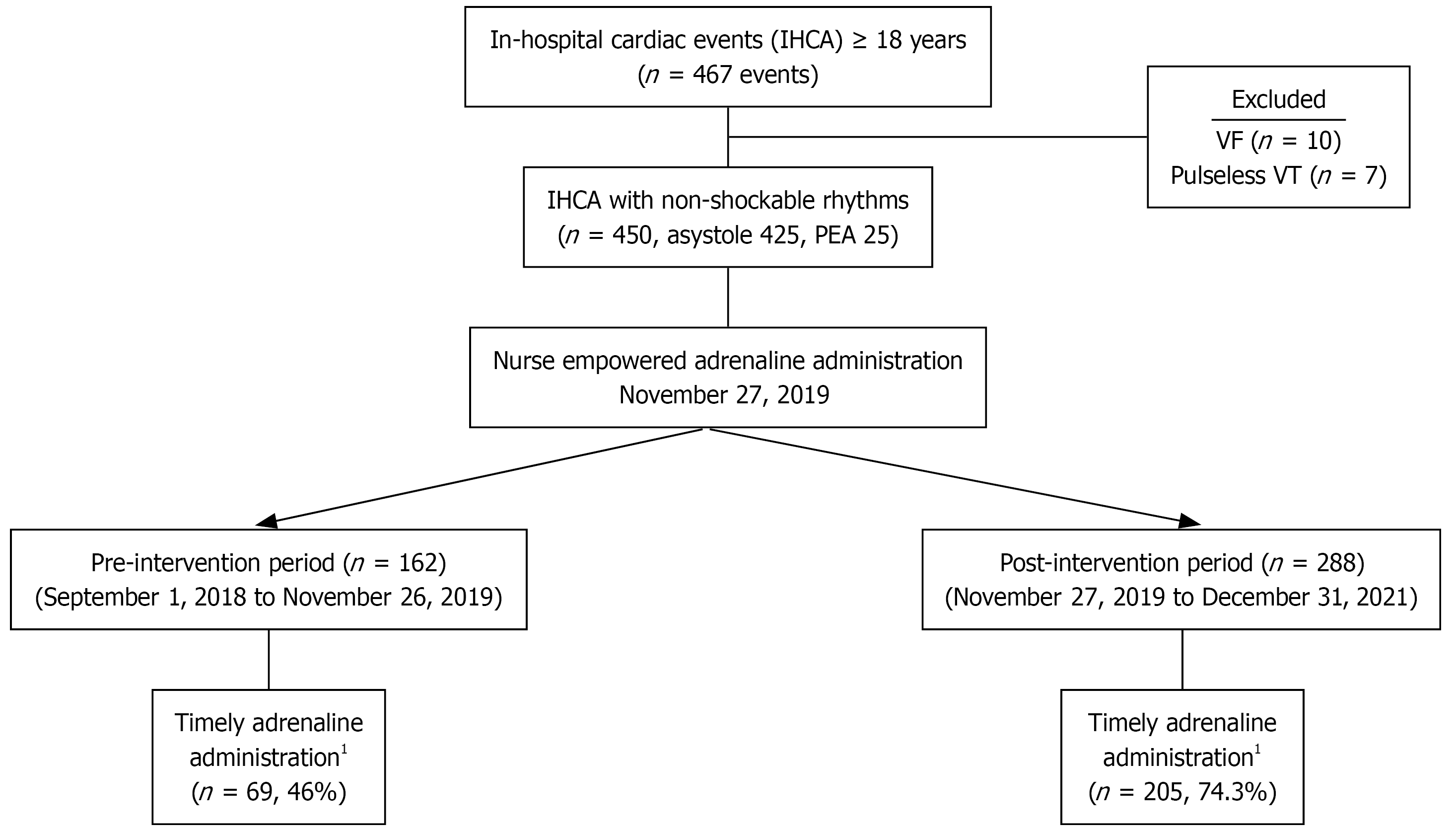
Figure 1 Strengthening the Reporting of Observational Studies in Epidemiology diagram of patient selection and allocation to pre- and post- intervention cohorts.
During the study period (September 1, 2018 to December 31, 2021), 467 in-hospital cardiac events (IHCA) were reported. Of these, 17 shockable rhythms that included 10 patients with ventricular fibrillation and 7 patients with pulseless ventricular tachycardia were excluded. The remaining 450 patients formed the study cohort. Of these, 425 patients had asystole at the time of resuscitation, while 25 patients had PEA. In one patient, the rhythm was not recorded. The pre-intervention period was between September 1, 2018 and November 26, 2019, and 162 IHCA with non-shockable rhythm were recorded. During the post-intervention period, when nurses were empowered to administer the first dose of adrenaline without physician authorization for IHCA with non-shockable rhythm, there were 288 patients. 1There was a significant (P < 0.001) difference in the proportion of patients who had timely administration of adrenaline during the post-intervention period (n = 205, 74.3%) when compared with the pre-intervention period (n = 69, 46%). IHCA: In-hospital cardiac arrest; VF: Ventricular fibrillation; PEA: Pulseless electrical activity.
- Citation: Chacko B, Jacob AS, Thomas L, L A, John SAS, Sanghi AE, P NR, Rao SV, Adhikari DD, Vijayananthan S, Anita EA, V A, Yadav B, Peter JV. Impact of nurse empowerment for early adrenaline administration for in-hospital cardiac arrest resuscitation: A pre-post intervention study. World J Crit Care Med 2026; 15(3): 119122
- URL: https://www.wjgnet.com/2220-3141/full/v15/i3/119122.htm
- DOI: https://dx.doi.org/10.5492/wjccm.119122