
















Copyright: ©Author(s) 2026.
World J Clin Pediatr. Dec 9, 2026; 15(4): 121115
Published online Dec 9, 2026. doi: 10.5409/wjcp.121115
Published online Dec 9, 2026. doi: 10.5409/wjcp.121115
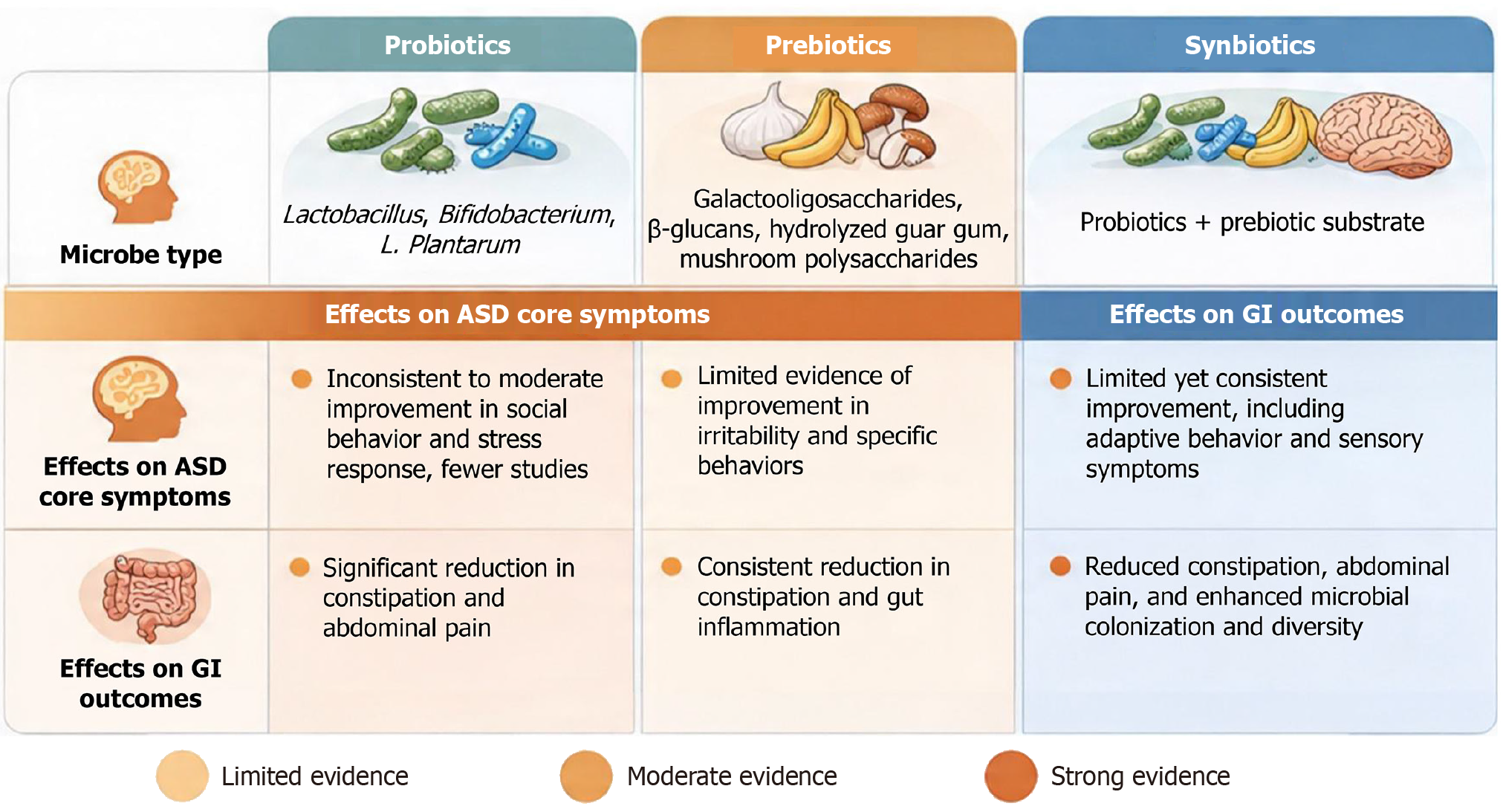
Figure 6 Comparative effects of probiotics, prebiotics, and synbiotics on core autism symptoms and gastrointestinal outcomes in children with autism spectrum disorder.
This comparative synthesis figure summarizes the evidence derived from the included studies evaluating microbiome-targeted interventions in children with autism spectrum disorder (ASD). The figure contrasts the relative effects of probiotics, prebiotics, and synbiotics on two primary outcome domains: Core autism symptoms (including social communication deficits, repetitive behaviors, adaptive functioning, and behavioral symptoms) and gastrointestinal (GI) manifestations (including constipation, abdominal pain, diarrhea, and overall GI symptom severity). Overall, probiotic interventions demonstrated moderate and heterogeneous effects on GI symptoms, with several studies reporting improvements in constipation, abdominal discomfort, and gut microbial composition. However, improvements in core ASD symptoms were inconsistent, with only modest benefits observed in specific behavioral domains such as irritability or social responsiveness. Prebiotic supplementation, including galacto-oligosaccharides, fructo-oligosaccharides, β-glucans, and partially hydrolyzed guar gum, primarily exerts beneficial effects by modulating gut microbiota composition and short-chain fatty acid production. These interventions showed consistent improvements in GI symptoms, while evidence for direct improvements in core autism symptoms remained limited and variable across studies. In contrast, synbiotic interventions, which combine probiotics with fermentable prebiotic substrates, demonstrated broader modulation of the microbiome and metabolic activity, including increased microbial diversity and elevated production of short-chain fatty acids such as butyrate. Across the included studies, synbiotics were associated with significant improvements in GI symptoms and modest improvements in behavioral and adaptive functioning, suggesting a potentially greater capacity to influence the microbiota-gut-brain axis than single-component interventions. The color-coded evidence levels shown in the figure represent the relative strength and consistency of evidence reported across the included studies, ranging from limited evidence to moderate or stronger evidence of clinical benefit. GI: Gastrointestinal; ASD: Autism spectrum disorder.
- Citation: Al-Beltagi M, Saeed NK, Elbeltagi YM. Psychobiotics in pediatric autism spectrum disorder: A systematic review of efficacy, mechanisms, and clinical translation. World J Clin Pediatr 2026; 15(4): 121115
- URL: https://www.wjgnet.com/2219-2808/full/v15/i4/121115.htm
- DOI: https://dx.doi.org/10.5409/wjcp.121115