















Copyright: ©Author(s) 2026.
World J Clin Pediatr. Dec 9, 2026; 15(4): 121115
Published online Dec 9, 2026. doi: 10.5409/wjcp.121115
Published online Dec 9, 2026. doi: 10.5409/wjcp.121115
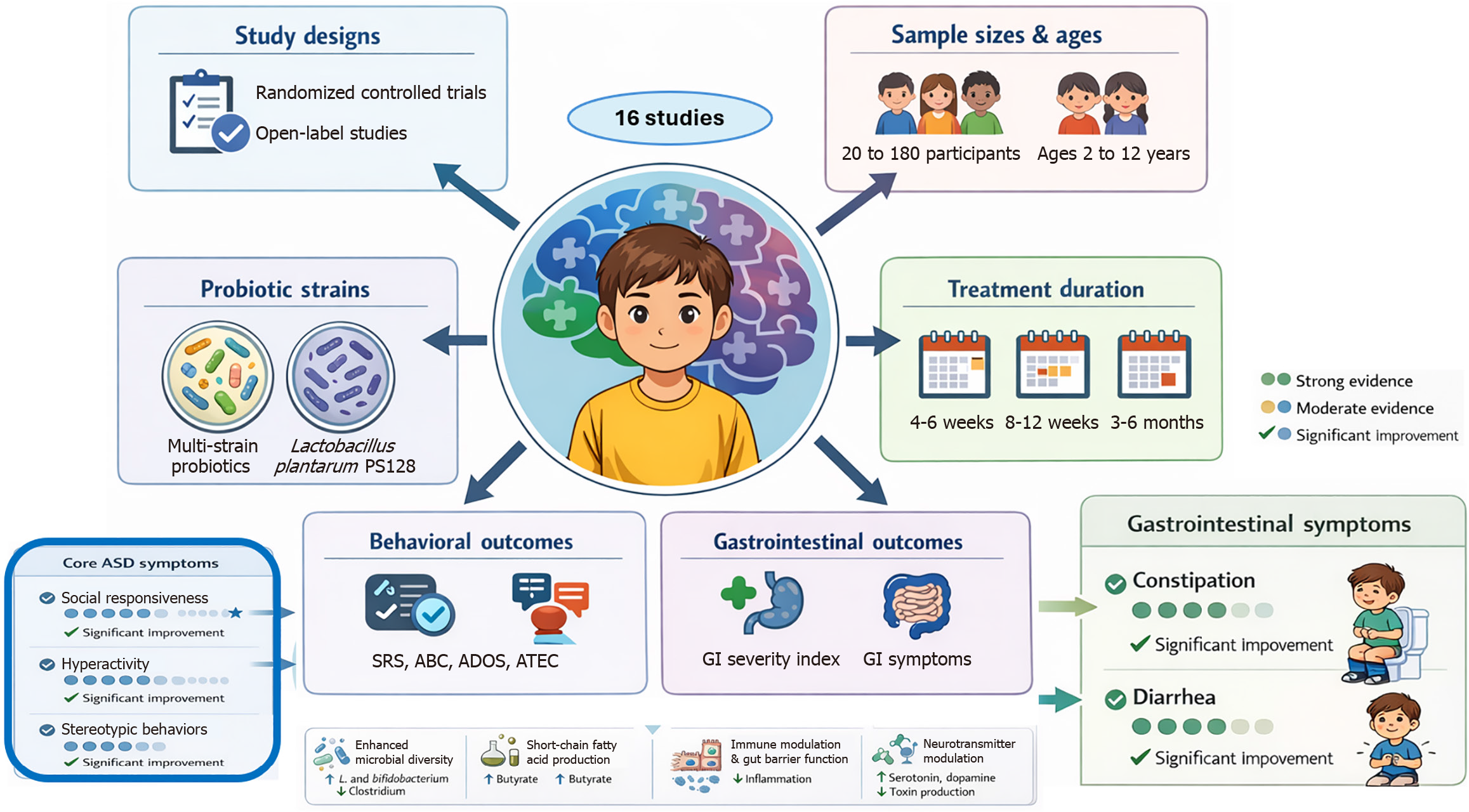
Figure 3 Characteristics of the included probiotic studies in autism spectrum disorder.
The figure illustrates the proposed pathways linking probiotic-induced modulation of the gut microbiota to improvements in gastrointestinal and behavioral outcomes. Probiotic interventions may enhance microbial diversity, increase production of short-chain fatty acids, and modulate immune and neurochemical signaling. These effects may contribute to improvements in gastrointestinal symptoms and selected behavioral domains, including social responsiveness and hyperactivity. The strength of evidence varies across outcomes and is influenced by study design, probiotic formulation, and treatment duration. SRS: Social Responsiveness Scale; ABC: Aberrant Behavior Checklist; ADOS: Autism Diagnostic Observation Schedule; ATEC: Autism Treatment Evaluation Checklist; GI: Gastrointestinal; ASD: Autism spectrum disorder.
- Citation: Al-Beltagi M, Saeed NK, Elbeltagi YM. Psychobiotics in pediatric autism spectrum disorder: A systematic review of efficacy, mechanisms, and clinical translation. World J Clin Pediatr 2026; 15(4): 121115
- URL: https://www.wjgnet.com/2219-2808/full/v15/i4/121115.htm
- DOI: https://dx.doi.org/10.5409/wjcp.121115