















Copyright: ©Author(s) 2026.
World J Clin Pediatr. Dec 9, 2026; 15(4): 121115
Published online Dec 9, 2026. doi: 10.5409/wjcp.121115
Published online Dec 9, 2026. doi: 10.5409/wjcp.121115
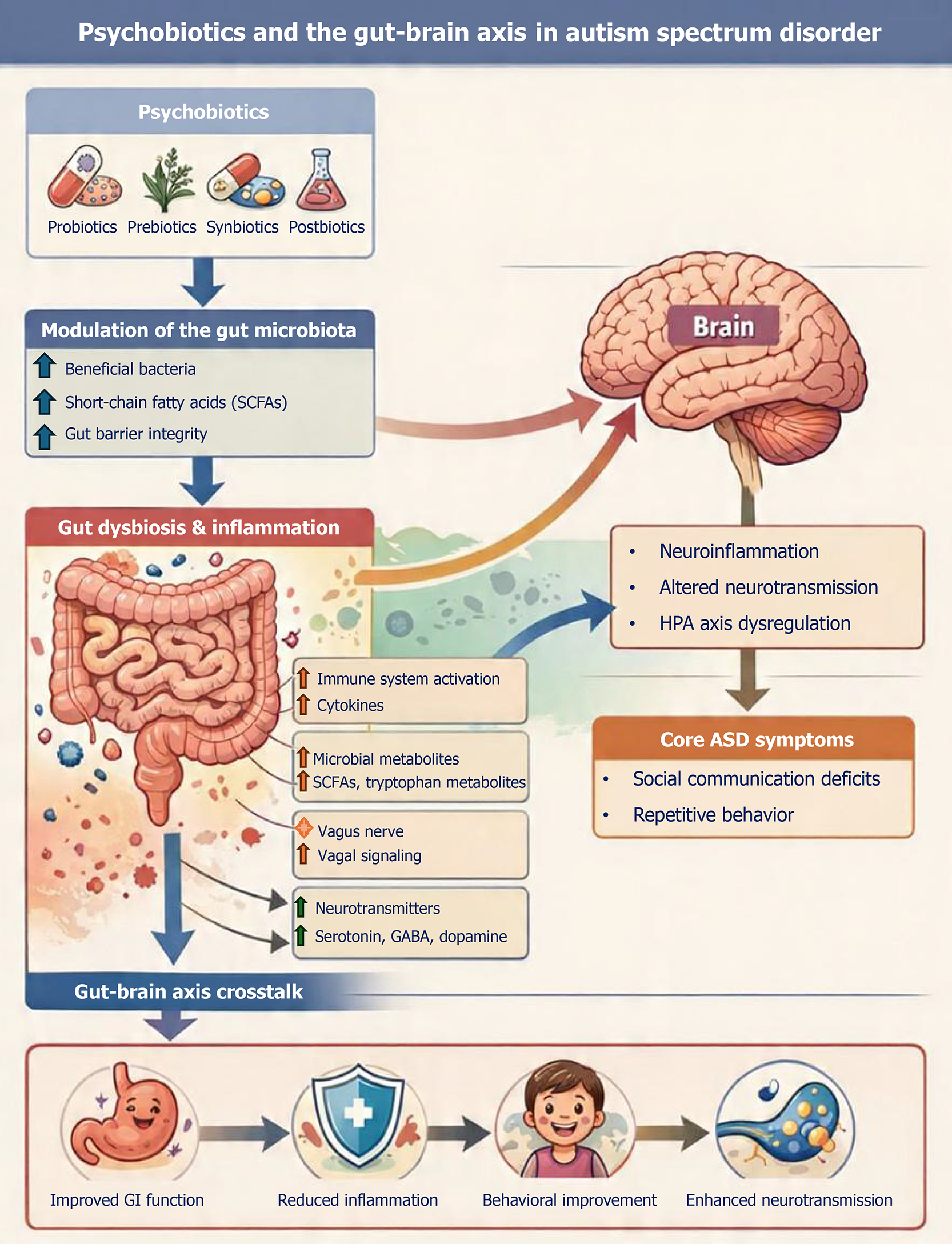
Figure 1 Psychobiotics and the gut-brain axis in autism spectrum disorder.
Psychobiotics, including probiotics, prebiotics, synbiotics, and postbiotics, may modulate the gut microbiota by increasing beneficial bacteria, enhancing short-chain fatty acid production, and improving intestinal barrier integrity. These changes can influence the gut-brain axis through immune signaling, microbial metabolites, vagal pathways, and regulation of neuroactive compounds such as serotonin, gamma-aminobutyric acid, and dopamine. Through these interconnected mechanisms, psychobiotics may reduce gut inflammation, improve gastrointestinal function, and potentially influence neuroinflammation, neurotransmission, and behavioral outcomes associated with autism spectrum disorder. ASD: Autism spectrum disorder; GABA: Gamma-aminobutyric acid; HPA: Hypothalamic-pituitary-adrenal axis; SCFAs: Short-chain fatty acids.
- Citation: Al-Beltagi M, Saeed NK, Elbeltagi YM. Psychobiotics in pediatric autism spectrum disorder: A systematic review of efficacy, mechanisms, and clinical translation. World J Clin Pediatr 2026; 15(4): 121115
- URL: https://www.wjgnet.com/2219-2808/full/v15/i4/121115.htm
- DOI: https://dx.doi.org/10.5409/wjcp.121115