
















Copyright: ©Author(s) 2026.
World J Clin Pediatr. Dec 9, 2026; 15(4): 120921
Published online Dec 9, 2026. doi: 10.5409/wjcp.120921
Published online Dec 9, 2026. doi: 10.5409/wjcp.120921
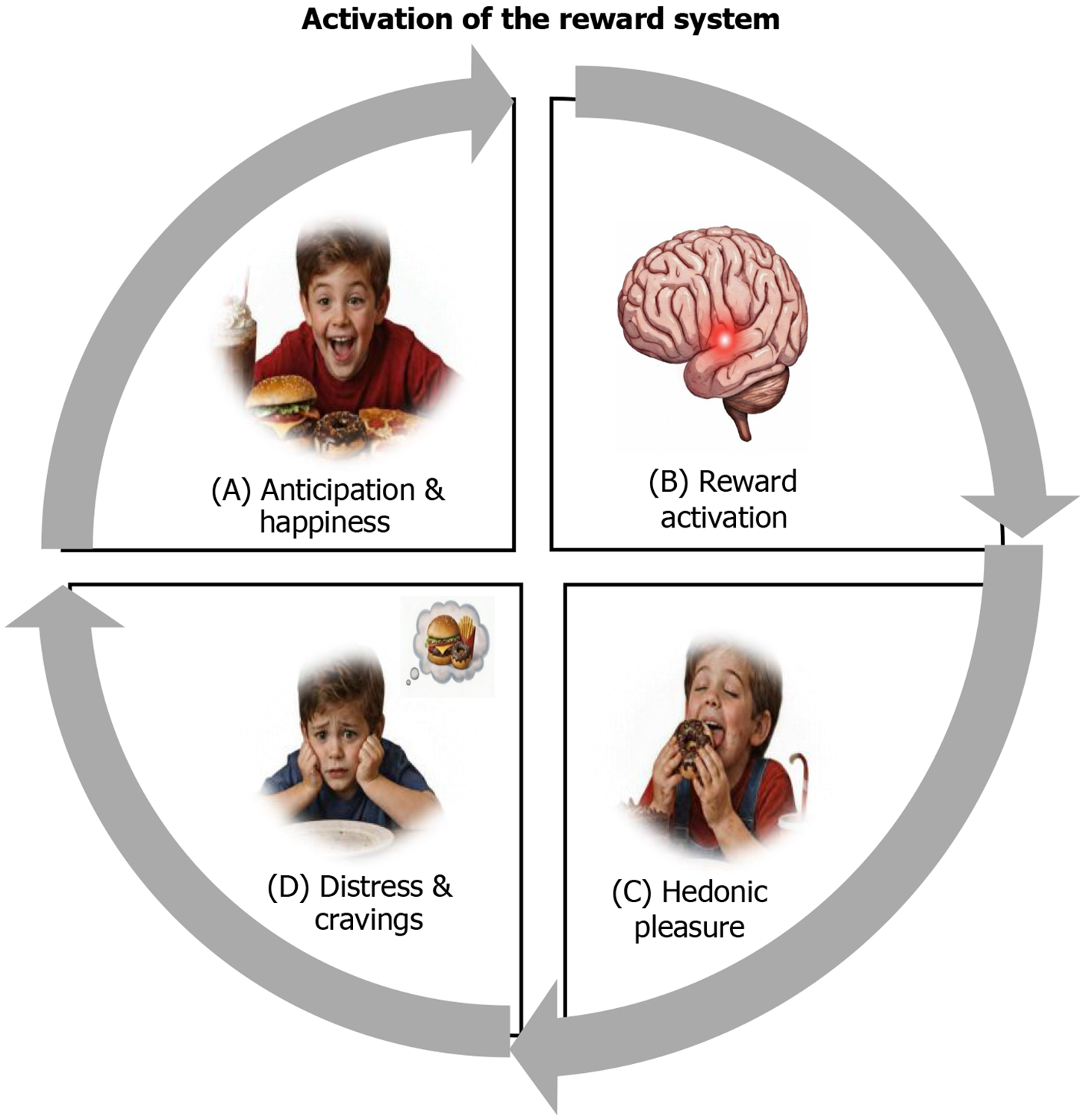
Figure 2 Vicious cycle of ultra-processed foods consumption in children and adolescents.
The diagram illustrates a self-perpetuating neurobehavioral loop initiated by: A: Anticipation or visual/olfactory exposure to ultra-processed foods, which elicits anticipatory happiness and craving via amygdala activation; B: Ingestion activates gustatory (cranial nerves VII, IX, X) and post-ingestive (gut-brain) reward pathways; C: Massive dopamine release in the NAc, amygdala, and prefrontal cortex produces intense hedonic pleasure and forms strong emotional memories; D: Subsequent everyday stress, anxiety, or negative affect reactivates the cycle via amygdala-driven cravings. This loop is exacerbated by prefrontal immaturity and contributes to compulsive overeating despite known health consequences.
- Citation: Vargas-Vargas MA, González-Montoya M, Torres-Isidro O, Martínez-González AP, Cuiniche-Méndez MG, García-Romero DP, Reyes-Orozco MA, Calderón-Cortés E, Rodríguez-Orozco AR, Cortés-Rojo C. Prefrontal cortex immaturity and reward circuit hijacking: Why anti-obesity policies fail to protect children from ultra-processed food overconsumption. World J Clin Pediatr 2026; 15(4): 120921
- URL: https://www.wjgnet.com/2219-2808/full/v15/i4/120921.htm
- DOI: https://dx.doi.org/10.5409/wjcp.120921