
















Copyright: ©Author(s) 2026.
World J Clin Pediatr. Dec 9, 2026; 15(4): 120203
Published online Dec 9, 2026. doi: 10.5409/wjcp.120203
Published online Dec 9, 2026. doi: 10.5409/wjcp.120203
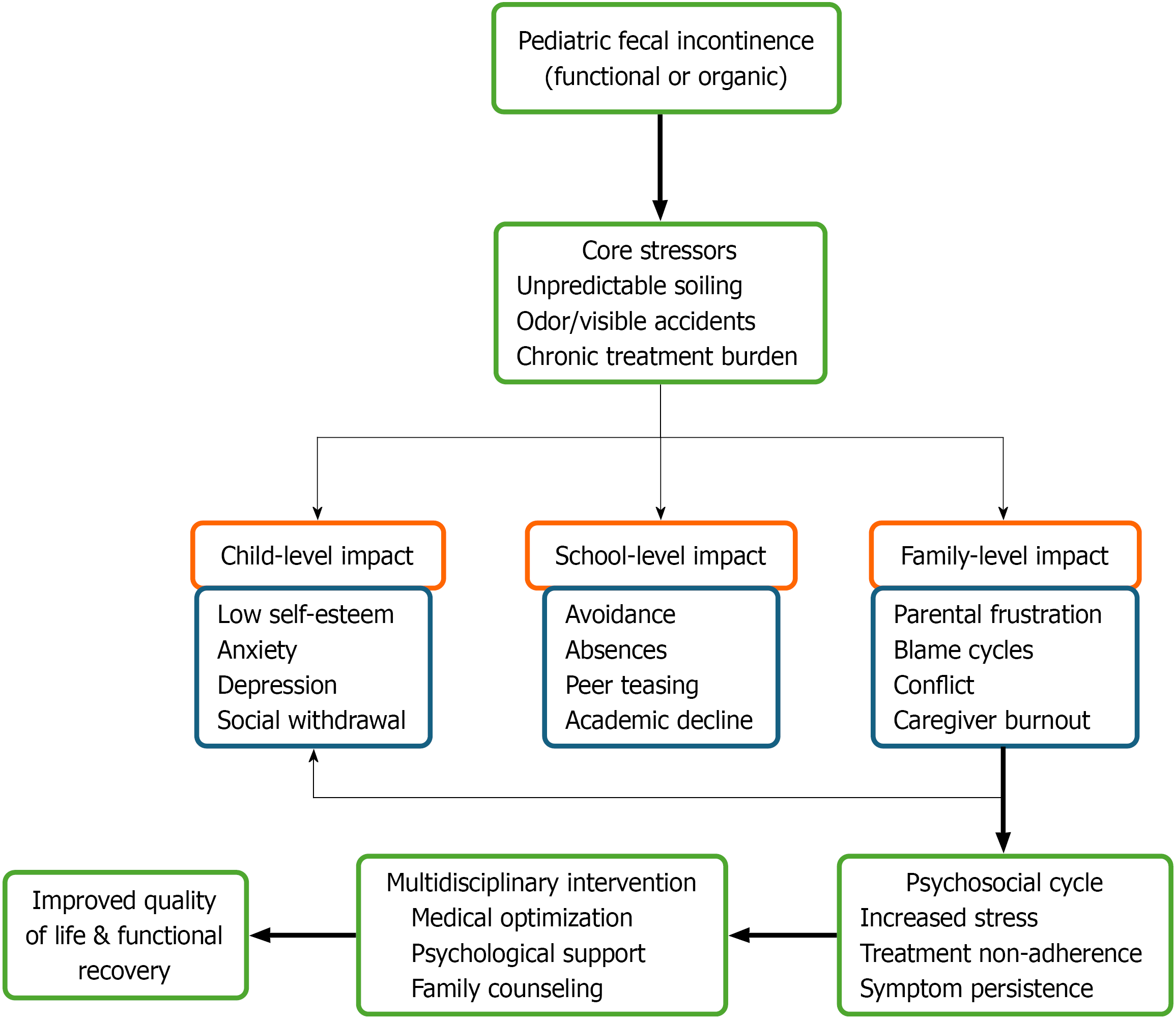
Figure 7 Conceptual model of psychosocial impact in pediatric fecal incontinence.
Pediatric fecal incontinence generates core stressors related to unpredictability, stigma, and chronic treatment demands. These stressors affect the child (self-esteem, anxiety, social withdrawal), school functioning (avoidance, absenteeism, academic impairment), and family dynamics (parental frustration, conflict, caregiver burnout). Without intervention, these factors may create a self-perpetuating psychosocial cycle that worsens adherence and symptom persistence. Early multidisciplinary intervention interrupts this cycle, improving psychological well-being, social integration, and overall quality of life.
- Citation: Al-Beltagi M. Clinical guidelines for the diagnosis and management of pediatric fecal incontinence: A comprehensive review and treatment algorithm. World J Clin Pediatr 2026; 15(4): 120203
- URL: https://www.wjgnet.com/2219-2808/full/v15/i4/120203.htm
- DOI: https://dx.doi.org/10.5409/wjcp.120203