
















Copyright: ©Author(s) 2026.
World J Clin Pediatr. Dec 9, 2026; 15(4): 120203
Published online Dec 9, 2026. doi: 10.5409/wjcp.120203
Published online Dec 9, 2026. doi: 10.5409/wjcp.120203
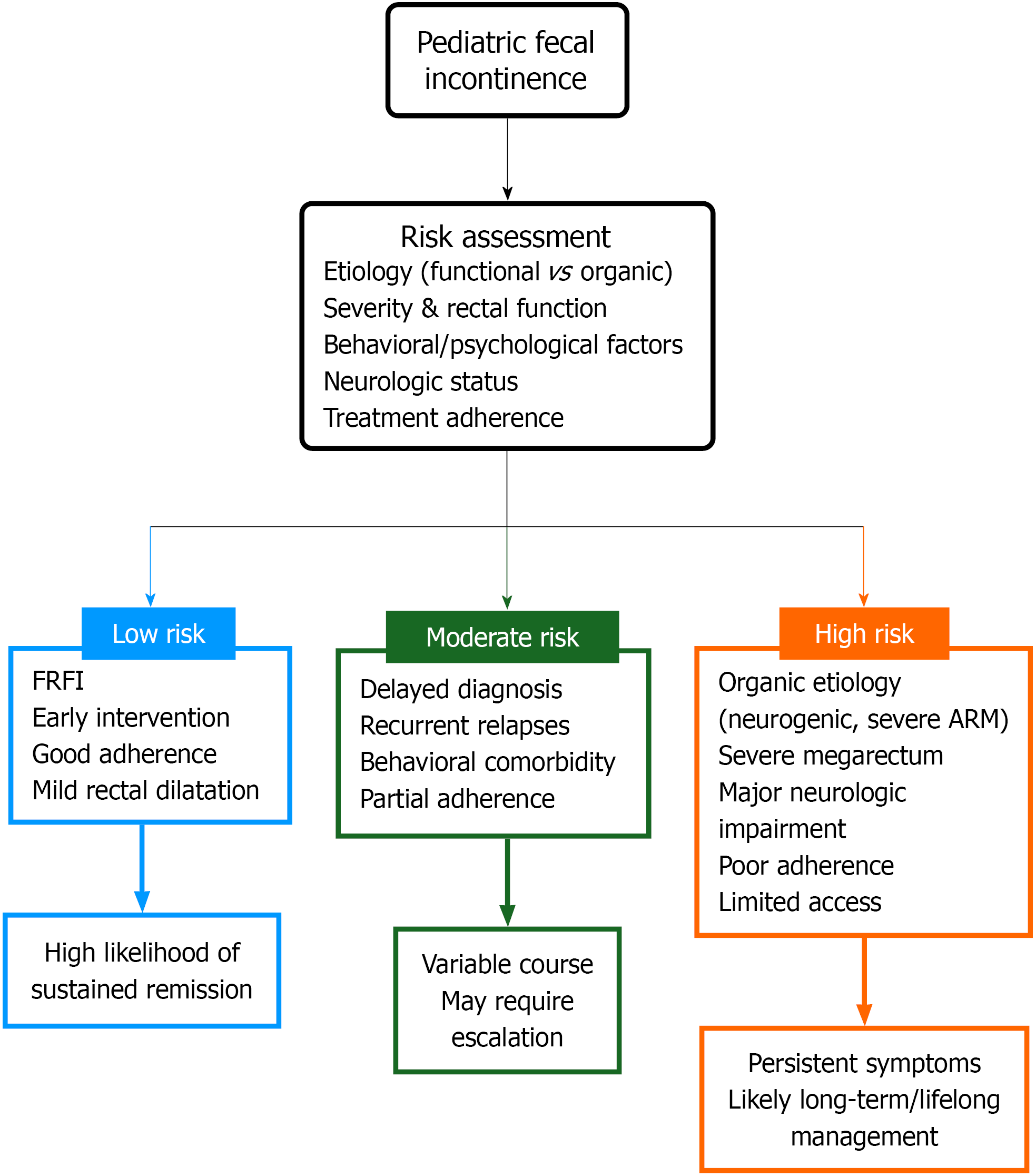
Figure 6 Risk stratification model for persistence of pediatric fecal incontinence.
Prognosis is influenced by etiology, severity of anorectal dysfunction, behavioral and neurologic comorbidities, treatment adherence, and access to multidisciplinary care. Children with functional retentive fecal incontinence who receive early intervention and maintain adherence typically demonstrate favorable long-term outcomes (low risk). Moderate risk is associated with delayed diagnosis, recurrent relapse, or behavioral comorbidity. High-risk patients—particularly those with organic etiologies, severe rectal dysfunction, neurologic impairment, or poor adherence—frequently require prolonged or lifelong bowel management. FRFI: Functional retentive fecal incontinence; ARM: Anorectal malformation.
- Citation: Al-Beltagi M. Clinical guidelines for the diagnosis and management of pediatric fecal incontinence: A comprehensive review and treatment algorithm. World J Clin Pediatr 2026; 15(4): 120203
- URL: https://www.wjgnet.com/2219-2808/full/v15/i4/120203.htm
- DOI: https://dx.doi.org/10.5409/wjcp.120203