
















Copyright: ©Author(s) 2026.
World J Clin Pediatr. Dec 9, 2026; 15(4): 120203
Published online Dec 9, 2026. doi: 10.5409/wjcp.120203
Published online Dec 9, 2026. doi: 10.5409/wjcp.120203
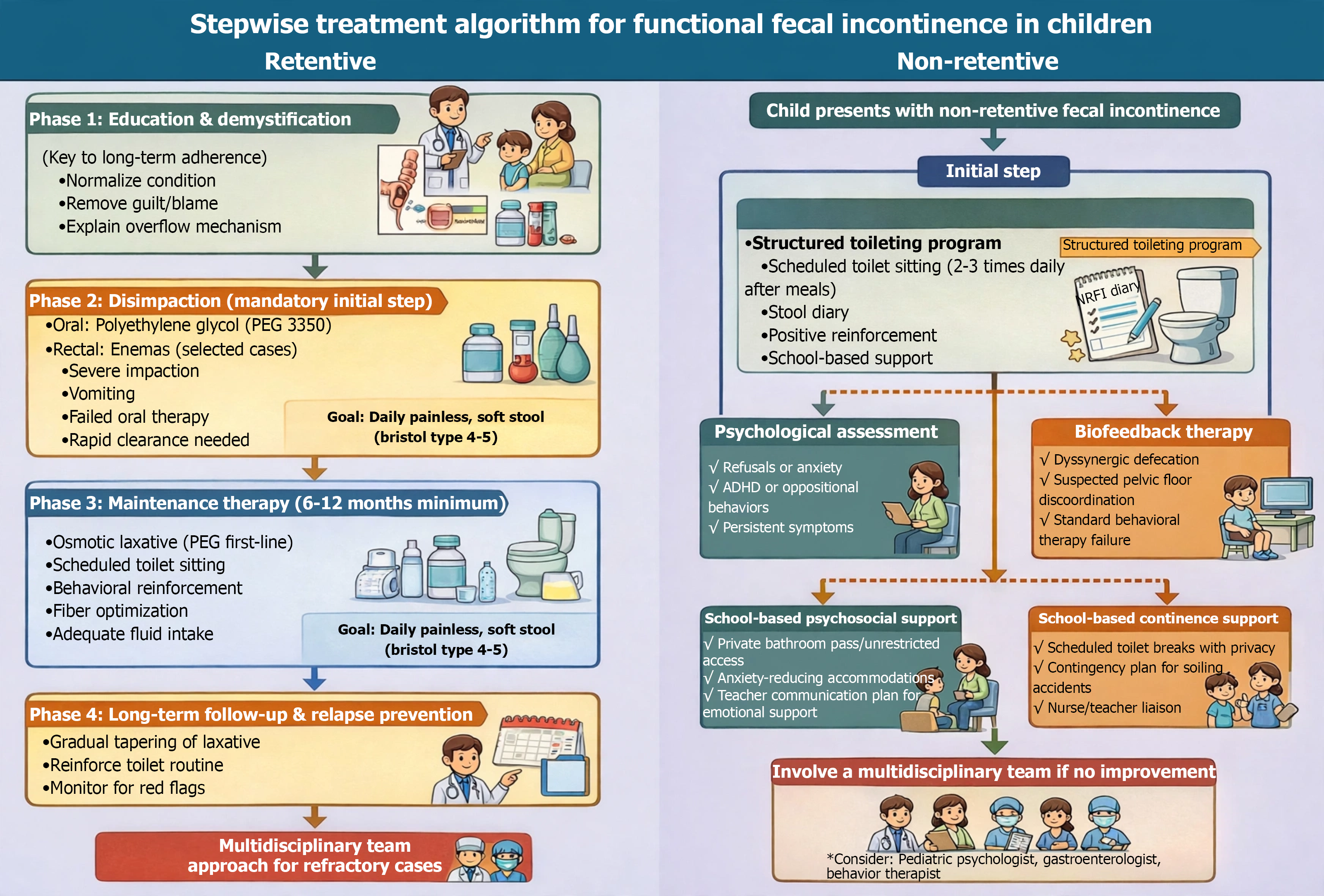
Figure 4 Integrated management algorithms for pediatric functional fecal incontinence retentive and non-retentive subtypes.
This composite figure presents parallel, structured management pathways for the two major subtypes of pediatric functional fecal incontinence (FI). Functional retentive FI management follows a stepwise medical-behavioral approach beginning with education and demystification, mandatory disimpaction (preferably oral polyethylene glycol), and prolonged maintenance therapy combining osmotic laxatives, scheduled toileting, behavioral reinforcement, dietary optimization, and hydration. Long-term follow-up with gradual tapering is essential to prevent relapse. Non-retentive FI emphasizes behavioral and psychosocial interventions. First-line therapy includes structured toileting programs and positive reinforcement. Psychological assessment is recommended when comorbid behavioral or emotional disorders are suspected. Biofeedback therapy may be considered in selected cases. School-based accommodations are integral to sustained improvement. Together, these algorithms highlight the fundamental therapeutic distinction between constipation-driven overflow incontinence and behaviorally mediated non-retentive incontinence, underscoring the need for subtype-specific management strategies. PEG: Polyethylene glycol; ADHD: Attention-deficit/hyperactivity disorder.
- Citation: Al-Beltagi M. Clinical guidelines for the diagnosis and management of pediatric fecal incontinence: A comprehensive review and treatment algorithm. World J Clin Pediatr 2026; 15(4): 120203
- URL: https://www.wjgnet.com/2219-2808/full/v15/i4/120203.htm
- DOI: https://dx.doi.org/10.5409/wjcp.120203