
















Copyright: ©Author(s) 2026.
World J Clin Pediatr. Dec 9, 2026; 15(4): 120203
Published online Dec 9, 2026. doi: 10.5409/wjcp.120203
Published online Dec 9, 2026. doi: 10.5409/wjcp.120203
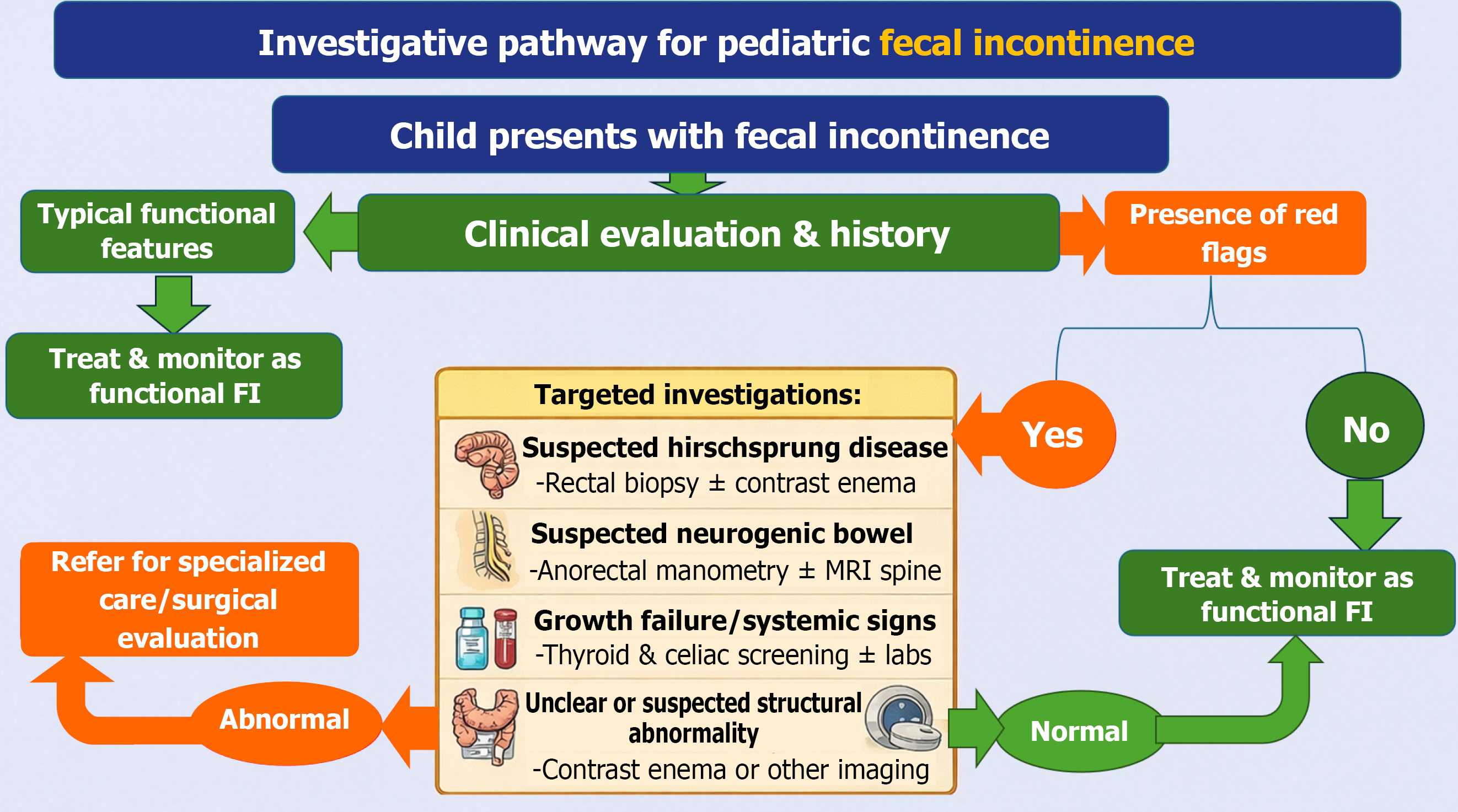
Figure 3 Investigative pathway for pediatric fecal incontinence.
This figure illustrates a structured, stepwise diagnostic algorithm for children presenting with fecal incontinence (FI). The evaluation begins with comprehensive clinical history and physical examination to distinguish typical functional FI from cases with red flags or atypical features. In the absence of alarm signs, children are managed as functional FI with standard therapy and close monitoring of response. The presence of red flags (e.g., delayed meconium passage, severe abdominal distension, neurologic abnormalities, growth failure, refractory symptoms, or systemic features) prompts targeted investigations. These include rectal biopsy and/or contrast enema for suspected Hirschsprung disease; anorectal manometry and spinal magnetic resonance imaging for suspected neurogenic bowel; thyroid and celiac screening in the presence of growth or systemic concerns; and contrast imaging for suspected structural abnormalities. Failure to respond to appropriate management or identification of organic pathology warrants referral for specialized multidisciplinary or surgical evaluation. This algorithm emphasizes early identification of organic causes while minimizing unnecessary investigations in typical functional cases. FI: Fecal incontinence.
- Citation: Al-Beltagi M. Clinical guidelines for the diagnosis and management of pediatric fecal incontinence: A comprehensive review and treatment algorithm. World J Clin Pediatr 2026; 15(4): 120203
- URL: https://www.wjgnet.com/2219-2808/full/v15/i4/120203.htm
- DOI: https://dx.doi.org/10.5409/wjcp.120203