
















Copyright: ©Author(s) 2026.
World J Clin Pediatr. Dec 9, 2026; 15(4): 120091
Published online Dec 9, 2026. doi: 10.5409/wjcp.120091
Published online Dec 9, 2026. doi: 10.5409/wjcp.120091
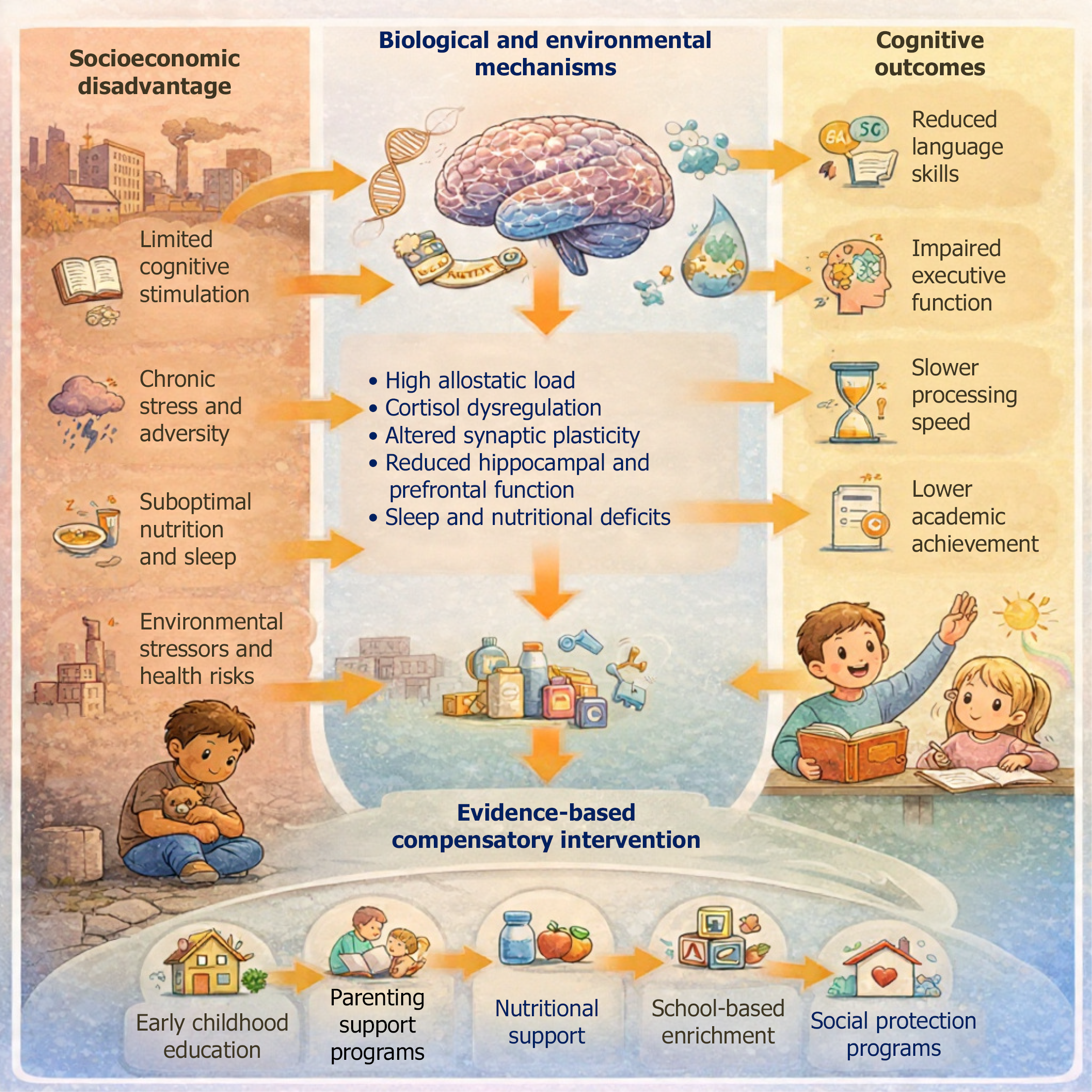
Figure 7 Socioeconomic determinants of cognitive development within an integrative neurodevelopmental framework.
It illustrates how socioeconomic status shapes cognitive development through interconnected biological, environmental, and psychosocial pathways. Socioeconomic disadvantage – characterized by limited cognitive stimulation, chronic stress and adversity, suboptimal nutrition and sleep, and increased environmental exposures – acts on key neurobiological mechanisms, including cortisol dysregulation, elevated allostatic load, altered synaptic plasticity, and reduced hippocampal and prefrontal cortex functioning. These processes collectively contribute to impairments across multiple cognitive domains, such as language development, executive function, processing speed, and academic achievement. The lower panel highlights evidence-based compensatory interventions, including early childhood education programs, parenting support initiatives, nutritional supplementation, school-based enrichment, and social protection policies, which can buffer adverse effects and promote cognitive resilience. It situates socioeconomic status as a central upstream determinant interacting with nutritional, neurobiological, behavioral, and environmental factors across development.
- Citation: Al-Beltagi M. Unleashing children’s potential: An evidence-based narrative review of strategies to enhance cognitive function and intelligence in school-age children. World J Clin Pediatr 2026; 15(4): 120091
- URL: https://www.wjgnet.com/2219-2808/full/v15/i4/120091.htm
- DOI: https://dx.doi.org/10.5409/wjcp.120091