
















Copyright: ©Author(s) 2026.
World J Clin Pediatr. Dec 9, 2026; 15(4): 120091
Published online Dec 9, 2026. doi: 10.5409/wjcp.120091
Published online Dec 9, 2026. doi: 10.5409/wjcp.120091
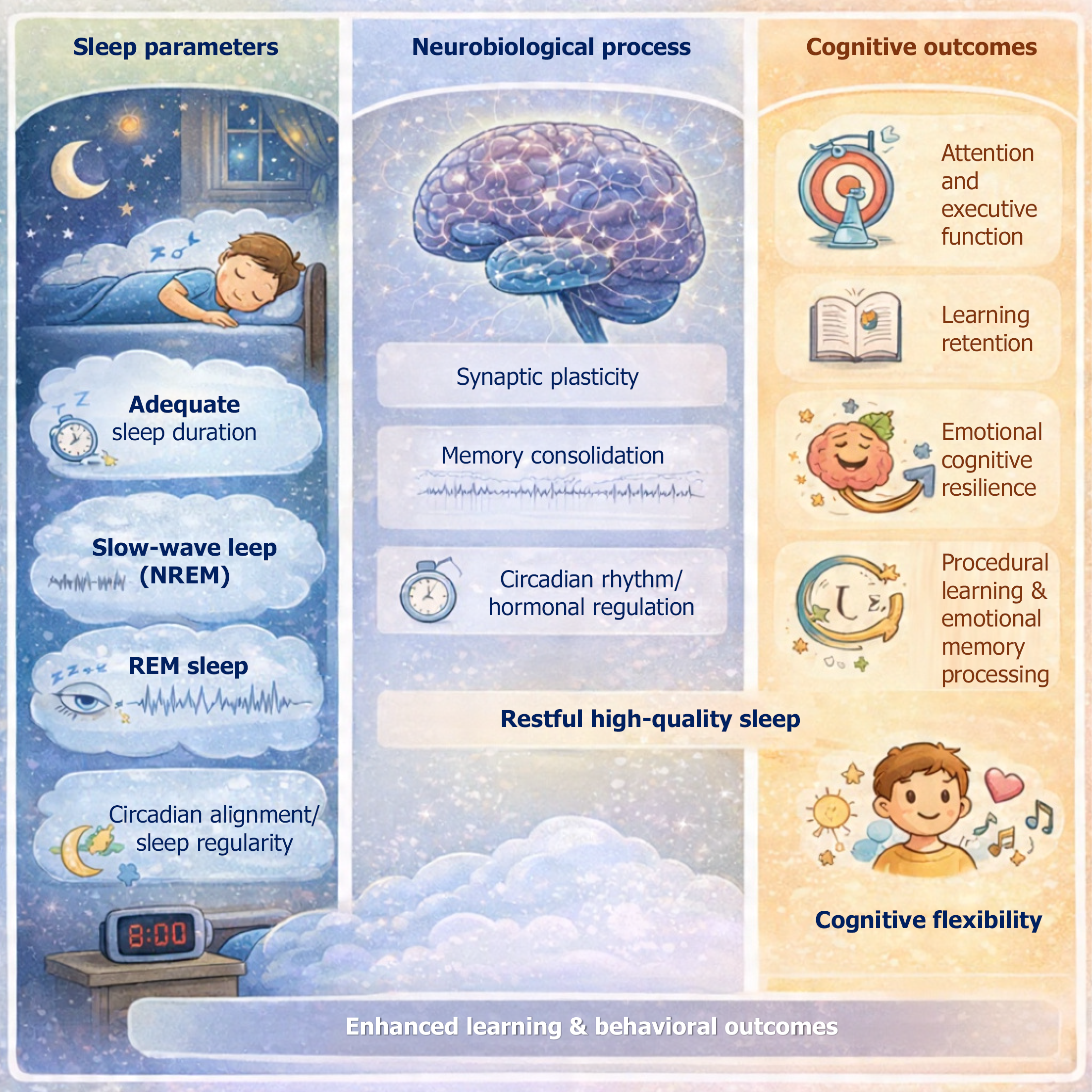
Figure 6 Sleep architecture and cognitive outcomes in school-age children.
It illustrates the relationship between key sleep parameters and cognitive outcomes in school-age children through underlying neurobiological mechanisms. Adequate sleep duration preserves slow-wave sleep (non-rapid eye movement), sufficient rapid eye movement sleep, and stable circadian alignment, supporting synaptic plasticity, hippocampal-cortical memory consolidation, and neuroendocrine regulation. These processes facilitate optimal functioning of executive domains, including attention, working memory, cognitive flexibility, emotional regulation, and learning retention. Disruption of sleep quantity, quality, or circadian timing may impair these neurobiological pathways, leading to suboptimal executive control and academic performance. The model emphasizes sleep as a modifiable, non-pharmacological target for optimizing neurocognitive development during the school years. NREM: Non-rapid eye movement; REM: Rapid eye movement.
- Citation: Al-Beltagi M. Unleashing children’s potential: An evidence-based narrative review of strategies to enhance cognitive function and intelligence in school-age children. World J Clin Pediatr 2026; 15(4): 120091
- URL: https://www.wjgnet.com/2219-2808/full/v15/i4/120091.htm
- DOI: https://dx.doi.org/10.5409/wjcp.120091