
















Copyright: ©Author(s) 2026.
World J Clin Pediatr. Dec 9, 2026; 15(4): 120091
Published online Dec 9, 2026. doi: 10.5409/wjcp.120091
Published online Dec 9, 2026. doi: 10.5409/wjcp.120091
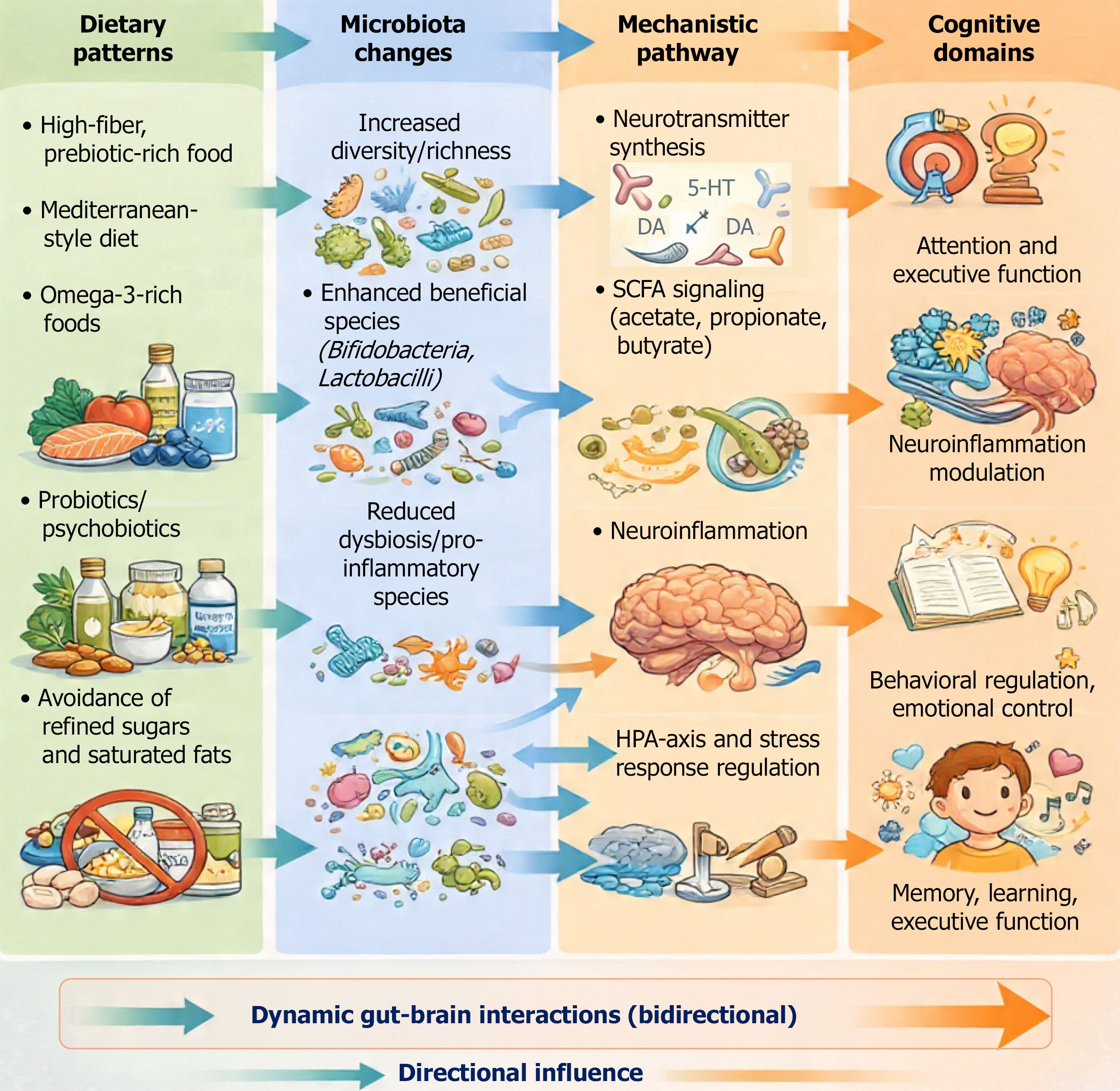
Figure 4 Modulation of diet-microbiota-brain pathways: Supporting cognitive functions in school-age children.
Dietary patterns modulate gut microbiota composition and diversity, influencing mechanistic pathways, including neurotransmitter synthesis, short-chain fatty acid signaling, neuroinflammation, and hypothalamic-pituitary-adrenal-axis regulation – which in turn shape key cognitive domains such as attention, working memory, executive function, learning, and behavioral regulation. High-fiber, prebiotic-rich, and Mediterranean-style diets, along with probiotics or psychobiotics, promote beneficial microbial populations and enhance cognitive resilience, whereas diets high in refined sugars or saturated fats may reduce diversity and impair cognitive performance. Arrows indicate directional influence, while bidirectional interactions between microbiota and mechanistic pathways reflect dynamic feedback in the gut-brain axis. This integrative model emphasizes diet as a modifiable lever for cognitive enhancement during the school-age developmental window. DA: Dopamine; HPA: Hypothalamic-pituitary-adrenal; SCFA: Short-chain fatty acid; 5-HT: 5-hydroxytryptamine.
- Citation: Al-Beltagi M. Unleashing children’s potential: An evidence-based narrative review of strategies to enhance cognitive function and intelligence in school-age children. World J Clin Pediatr 2026; 15(4): 120091
- URL: https://www.wjgnet.com/2219-2808/full/v15/i4/120091.htm
- DOI: https://dx.doi.org/10.5409/wjcp.120091