
















Copyright: ©Author(s) 2026.
World J Clin Pediatr. Dec 9, 2026; 15(4): 117939
Published online Dec 9, 2026. doi: 10.5409/wjcp.117939
Published online Dec 9, 2026. doi: 10.5409/wjcp.117939
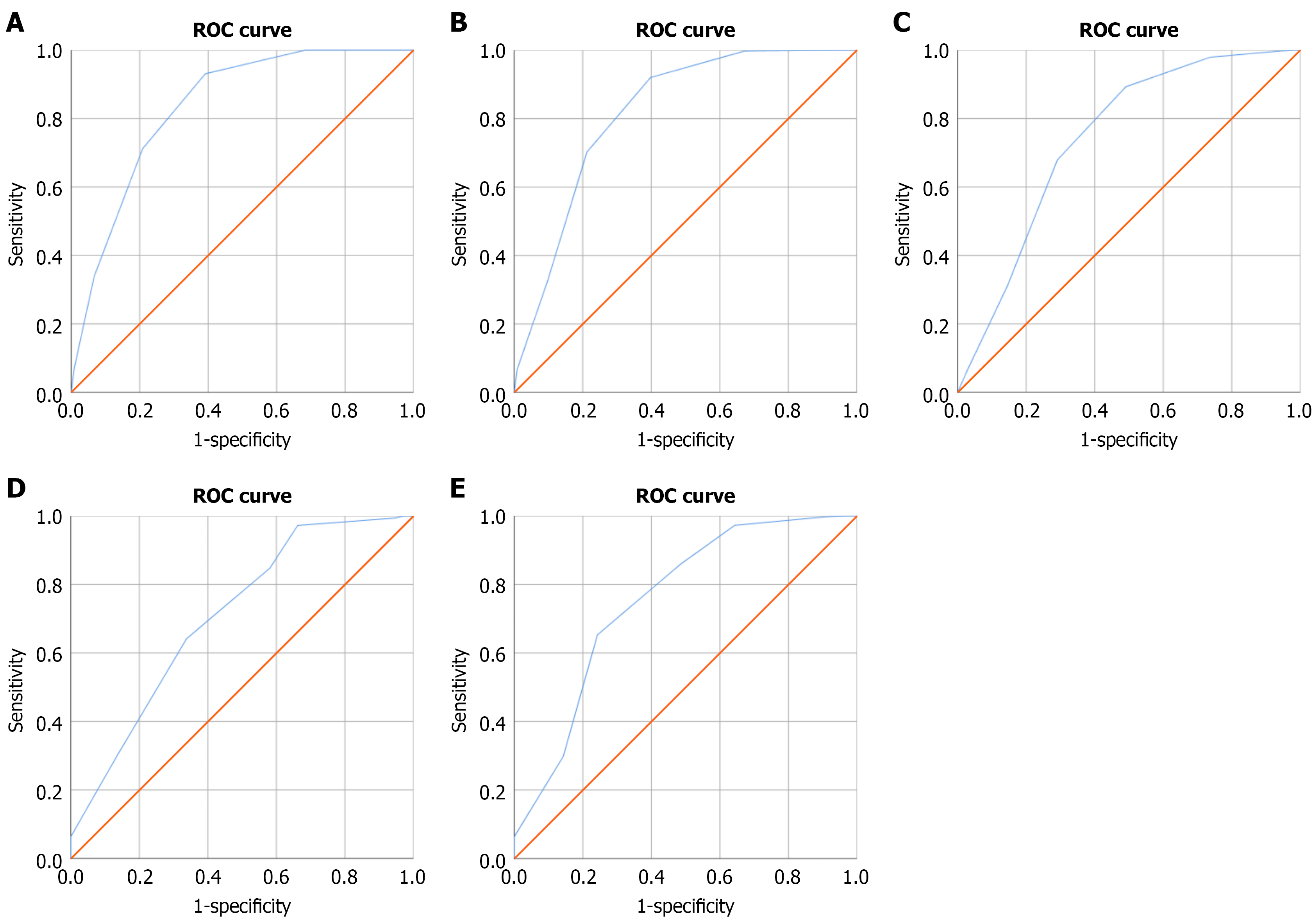
Figure 2 Receiver operating characteristic analyses of positive childhood experiences and child behavioral-emotional outcomes.
A: Emotional problems: Area under the curve (AUC) = 0.835 [95% confidence interval (CI): 0.790-0.881]; B: Conduct problems: AUC = 0.818 (95%CI: 0.767-0.868); C: Hyperactive behavior: AUC = 0.743 (95%CI: 0.685-0.801); D: Peer problems: AUC = 0.708 (95%CI: 0.640-0.776); E: Prosocial behavior: AUC = 0.754 (95%CI: 0.685-0.823). All P < 0.001. The optimal cutoff for identifying children at lower risk was ≥ 4 positive childhood experiences, yielding high sensitivity (84.8%-93.1%) and moderate specificity (41.9%-60.8%) across all domains. Collectively, these findings highlight ≥ 4 positive childhood experiences as a consistent protective threshold associated with fewer emotional and behavioral difficulties and better prosocial functioning. ROC: Receiver operating characteristic.
- Citation: Vivattanasinchai T, Wannapaschaiyong P. Positive childhood experiences and their association with behavioral problems in Thai early adolescents. World J Clin Pediatr 2026; 15(4): 117939
- URL: https://www.wjgnet.com/2219-2808/full/v15/i4/117939.htm
- DOI: https://dx.doi.org/10.5409/wjcp.117939