
















Copyright: ©Author(s) 2026.
World J Clin Pediatr. Sep 9, 2026; 15(3): 120485
Published online Sep 9, 2026. doi: 10.5409/wjcp.120485
Published online Sep 9, 2026. doi: 10.5409/wjcp.120485
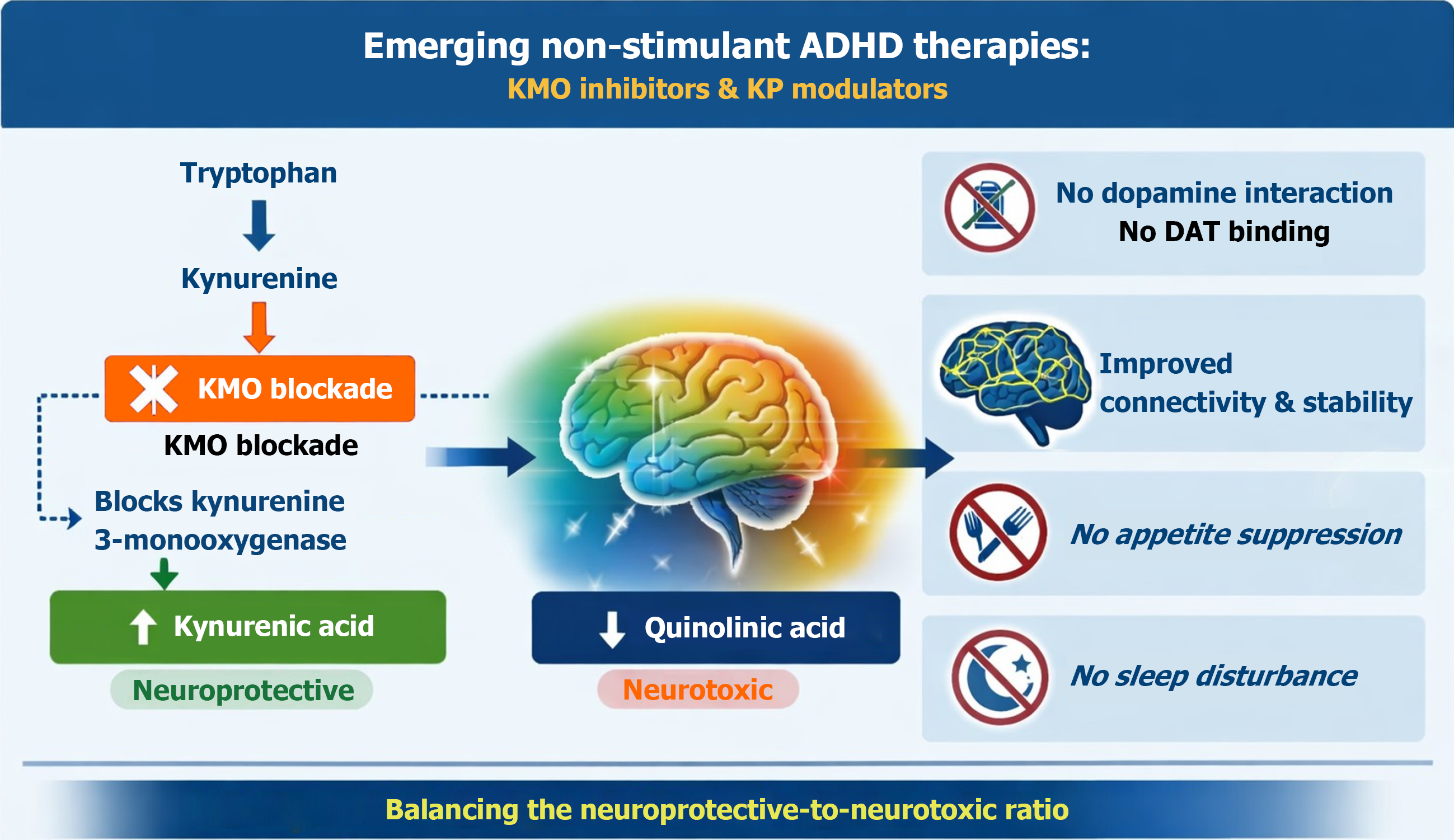
Figure 3 The “metabolic detour”: Selective kynurenine pathway modulation to restore network coordination.
A diagrammatic representation of the therapeutic potential of kynurenine 3-monooxygenase inhibitors in attention-deficit/hyperactivity disorder. Unlike stimulants that act on neurotransmitter transporters, kynurenine 3-monooxygenase inhibitors correct metabolic “noise” by preventing the accumulation of N-methyl-D-aspartate-agonistic neurotoxins. The resulting increase in the “neuroprotective buffer” (kynurenic acid) facilitates bottom-up stabilization of biological rhythms and network coordination, offering a precision-medicine approach for patients who are refractory to standard stimulant treatments. ADHD: Attention-deficit/hyperactivity disorder; DAT: Dopamine transporter; KMO: Kynurenine 3-monooxygenase; KP: Kynurenine pathway.
- Citation: Nagamine T. Kynurenine pathway dysregulation in attention-deficit hyperactivity disorder: Impact on N-methyl-D-aspartate receptors and phasic dopamine maturation. World J Clin Pediatr 2026; 15(3): 120485
- URL: https://www.wjgnet.com/2219-2808/full/v15/i3/120485.htm
- DOI: https://dx.doi.org/10.5409/wjcp.120485