
















Copyright: ©Author(s) 2026.
World J Clin Pediatr. Sep 9, 2026; 15(3): 120485
Published online Sep 9, 2026. doi: 10.5409/wjcp.120485
Published online Sep 9, 2026. doi: 10.5409/wjcp.120485
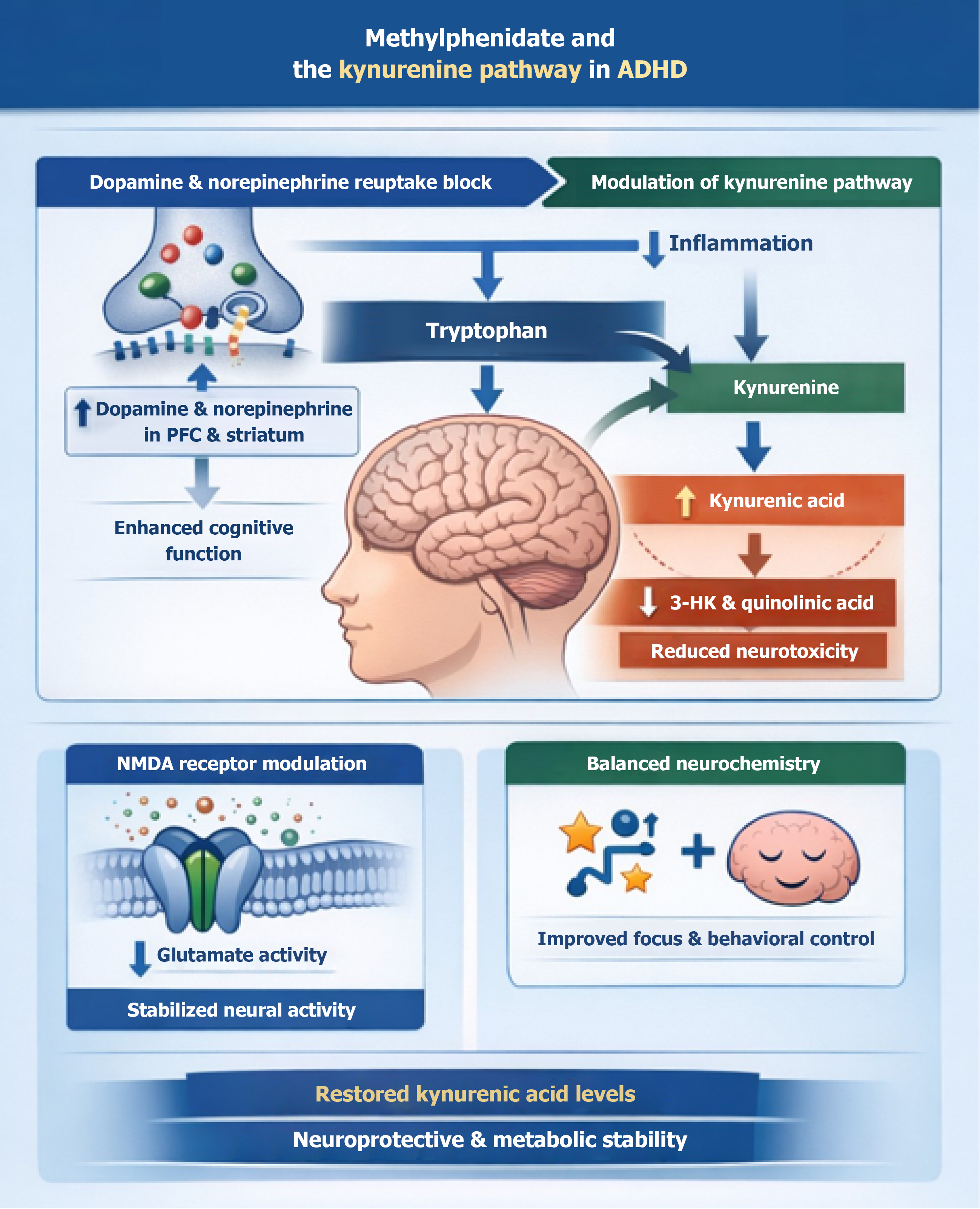
Figure 2 Metabolic and circuit-level synergy of stimulant therapy in attention-deficit/hyperactivity disorder.
Methylphenidate enhances the brain’s internal valuation system through a two-pronged mechanism: (1) Direct dopaminergic enhancement in the prefrontal cortex and striatum; and (2) Kynurenine pathway modulation. The resulting increase in kynurenic acid sensitizes reward circuitry while filtering out kynurenine-driven “noise”. This dual action reinforces reward signaling and behavioral inhibition, explaining the improved engagement with low-novelty tasks and the reduction in motor restlessness characteristic of successful stimulant treatment. ADHD: Attention-deficit/hyperactivity disorder; PFC: Prefrontal cortex; 3-HK: 3-hydroxykynurenine.
- Citation: Nagamine T. Kynurenine pathway dysregulation in attention-deficit hyperactivity disorder: Impact on N-methyl-D-aspartate receptors and phasic dopamine maturation. World J Clin Pediatr 2026; 15(3): 120485
- URL: https://www.wjgnet.com/2219-2808/full/v15/i3/120485.htm
- DOI: https://dx.doi.org/10.5409/wjcp.120485