
















Copyright: ©Author(s) 2026.
World J Clin Pediatr. Sep 9, 2026; 15(3): 117421
Published online Sep 9, 2026. doi: 10.5409/wjcp.117421
Published online Sep 9, 2026. doi: 10.5409/wjcp.117421
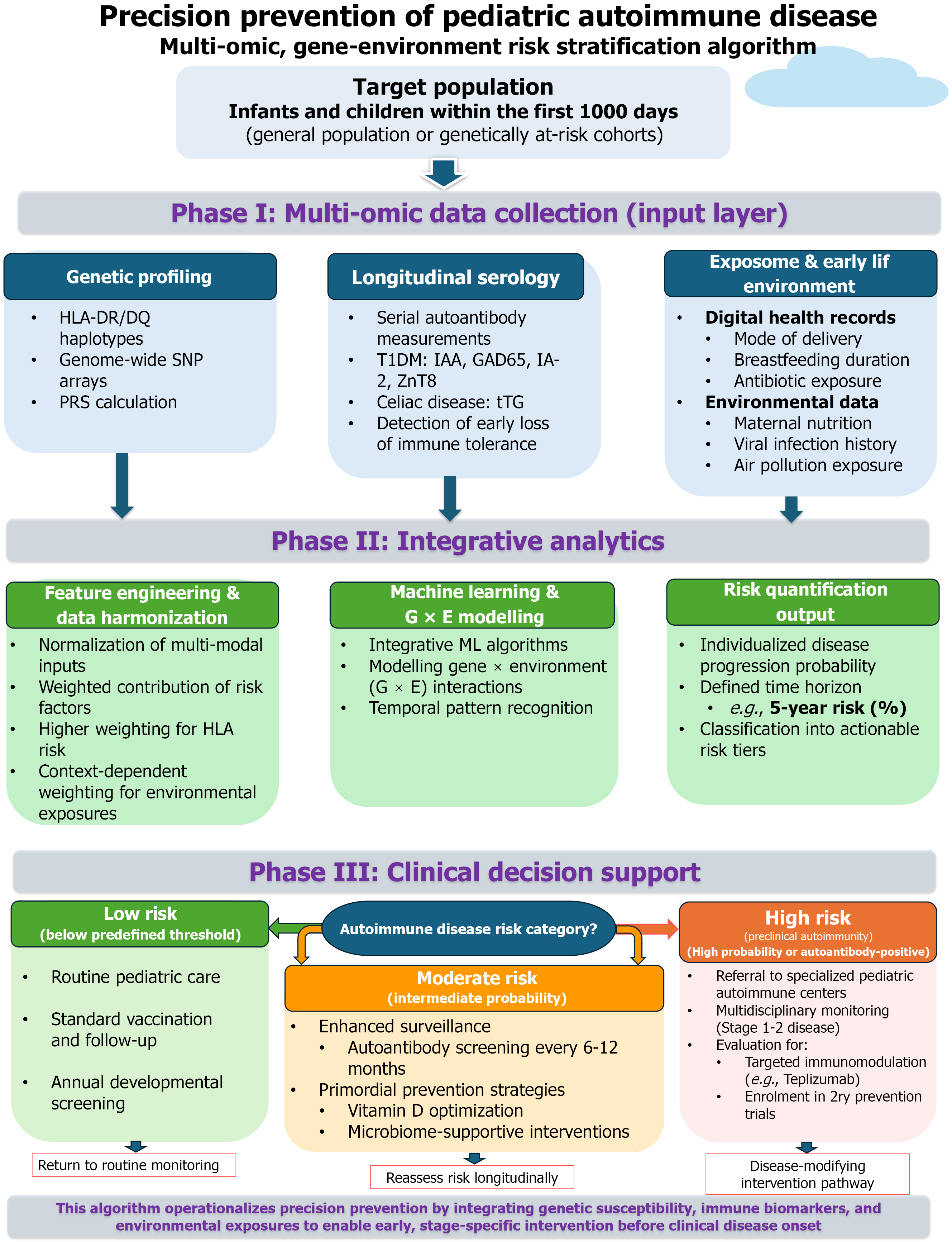
Figure 13 Precision prevention of pediatric autoimmune disease: A multi-omic gene-environment risk stratification algorithm during early life.
This figure illustrates a stepwise, integrative framework for the early identification and prevention of pediatric autoimmune diseases within the critical first 1000 days of life. Phase I (multi-omic data collection) integrates genetic susceptibility (human leukocyte antigen-DR/DQ haplotypes and genome-wide single-nucleotide polymorphism-based polygenic risk scores), longitudinal immune profiling through serial measurements of disease-specific autoantibodies (e.g., insulin autoantibody, glutamic acid decarboxylase 65, insulinoma-associated antigen 2, zinc transporter 8 for type 1 diabetes mellitus and tissue transglutaminase antibodies for celiac disease), and comprehensive exposome tracking derived from digital health records and environmental data, including mode of delivery, breastfeeding duration, antibiotic exposure, maternal nutrition, viral infection history, and air pollution exposure. Phase II (integrative analytics) applies feature engineering and machine-learning-based modeling to harmonize heterogeneous data streams and characterize dynamic gene-environment interactions, resulting in individualized estimates of autoimmune disease progression risk within a defined temporal window. Phase III (clinical decision support) translates quantified risk into actionable clinical pathways. Individuals are stratified into low-, moderate-, or high-risk categories, guiding tailored interventions ranging from routine pediatric care to enhanced immune surveillance, primordial preventive strategies (e.g., vitamin D optimization and microbiome support), or referral to specialized pediatric autoimmune centers for multidisciplinary monitoring, targeted immunomodulatory therapy, or enrollment in secondary prevention trials. Collectively, this algorithm operationalizes a precision prevention paradigm, emphasizing early-life timing as a critical determinant for intercepting autoimmune disease before the onset of clinical symptoms. HLA: Human leukocyte antigen; SNP: Single-nucleotide polymorphism; PRS: Polygenic risk score; IAA: Insulin autoantibody; T1DM: Type 1 diabetes mellitus; GAD: Glutamic acid decarboxylase 65; IA-2: Insulinoma-associated antigen 2; ZnTB: Zinc transporter; tTG: Tissue transglutaminase; ML: Machine learning; G × E: Gene-environment.
- Citation: Al-Beltagi M, Saeed NK, Bediwy AS, Bediwy EA, Elbeltagi R. From genes to environment: A life-course approach to prevent pediatric autoimmune diseases. World J Clin Pediatr 2026; 15(3): 117421
- URL: https://www.wjgnet.com/2219-2808/full/v15/i3/117421.htm
- DOI: https://dx.doi.org/10.5409/wjcp.117421