
















Copyright: ©Author(s) 2026.
World J Clin Pediatr. Sep 9, 2026; 15(3): 117421
Published online Sep 9, 2026. doi: 10.5409/wjcp.117421
Published online Sep 9, 2026. doi: 10.5409/wjcp.117421
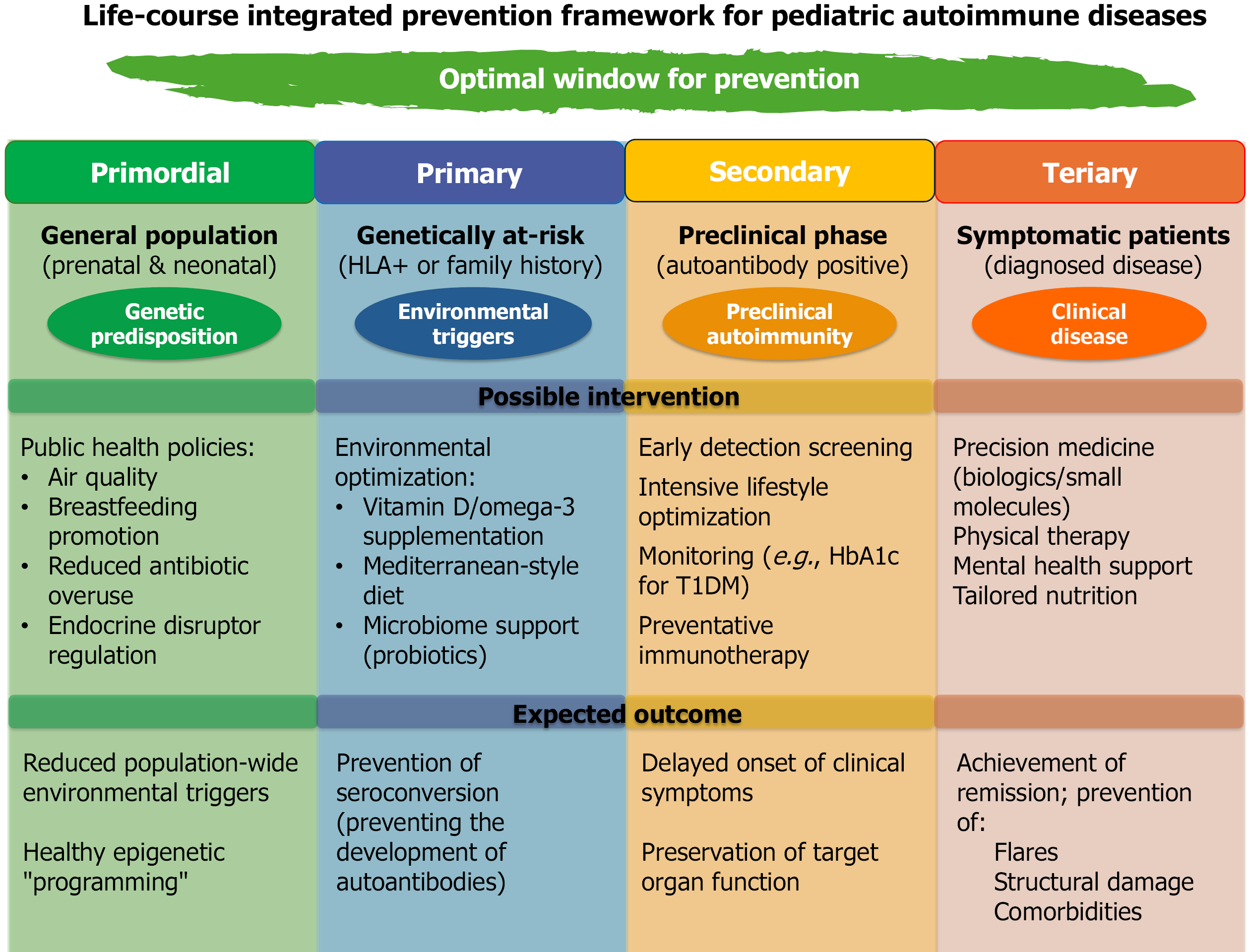
Figure 12 Life-course integrated prevention framework for pediatric autoimmune diseases.
This schematic provides a consolidated overview of the four-tiered prevention framework - primordial, primary, secondary, and tertiary - applied across the pediatric life course to mitigate the development and progression of autoimmune diseases. Primordial prevention targets the general population during prenatal life and early childhood, focusing on immune system programming before disease risk is established. Interventions include maternal nutrition optimization, microbiome-supportive practices, avoidance of environmental toxins, and promotion of healthy early-life exposures. The expected outcome is resilient immune tolerance and reduced baseline autoimmune susceptibility. Primary prevention applies to genetically susceptible but asymptomatic children, identified by family history, high-risk human leukocyte antigen genotypes, or elevated polygenic risk scores. Strategies include lifestyle optimization, anti-inflammatory dietary patterns, vitamin D sufficiency, microbiome support, and environmental risk reduction, with the goal of preventing immune activation and autoantibody development. Secondary prevention focuses on individuals with preclinical autoimmunity, defined by the presence of disease-specific autoantibodies but preserved organ function. Interventions emphasize enhanced surveillance, targeted lifestyle interventions, and selected immune-modulating therapies where appropriate, aiming to delay or halt progression to clinical disease. Tertiary prevention applies to children with established autoimmune disease, where management strategies include disease-modifying therapies, complication prevention, psychosocial support, and long-term monitoring. The primary goal at this stage is preservation of organ function, reduction of disease burden, and optimization of quality of life. Together, this figure visually integrates prevention strategies across developmental stages, highlighting how timing, risk stratification, and intervention intensity determine outcomes in pediatric autoimmune diseases. HLA: Human leukocyte antigen; HbA1C: Glycated hemoglobin; T1DM: Type 1 diabetes mellitus.
- Citation: Al-Beltagi M, Saeed NK, Bediwy AS, Bediwy EA, Elbeltagi R. From genes to environment: A life-course approach to prevent pediatric autoimmune diseases. World J Clin Pediatr 2026; 15(3): 117421
- URL: https://www.wjgnet.com/2219-2808/full/v15/i3/117421.htm
- DOI: https://dx.doi.org/10.5409/wjcp.117421