
















Copyright: ©Author(s) 2026.
World J Clin Pediatr. Sep 9, 2026; 15(3): 117421
Published online Sep 9, 2026. doi: 10.5409/wjcp.117421
Published online Sep 9, 2026. doi: 10.5409/wjcp.117421
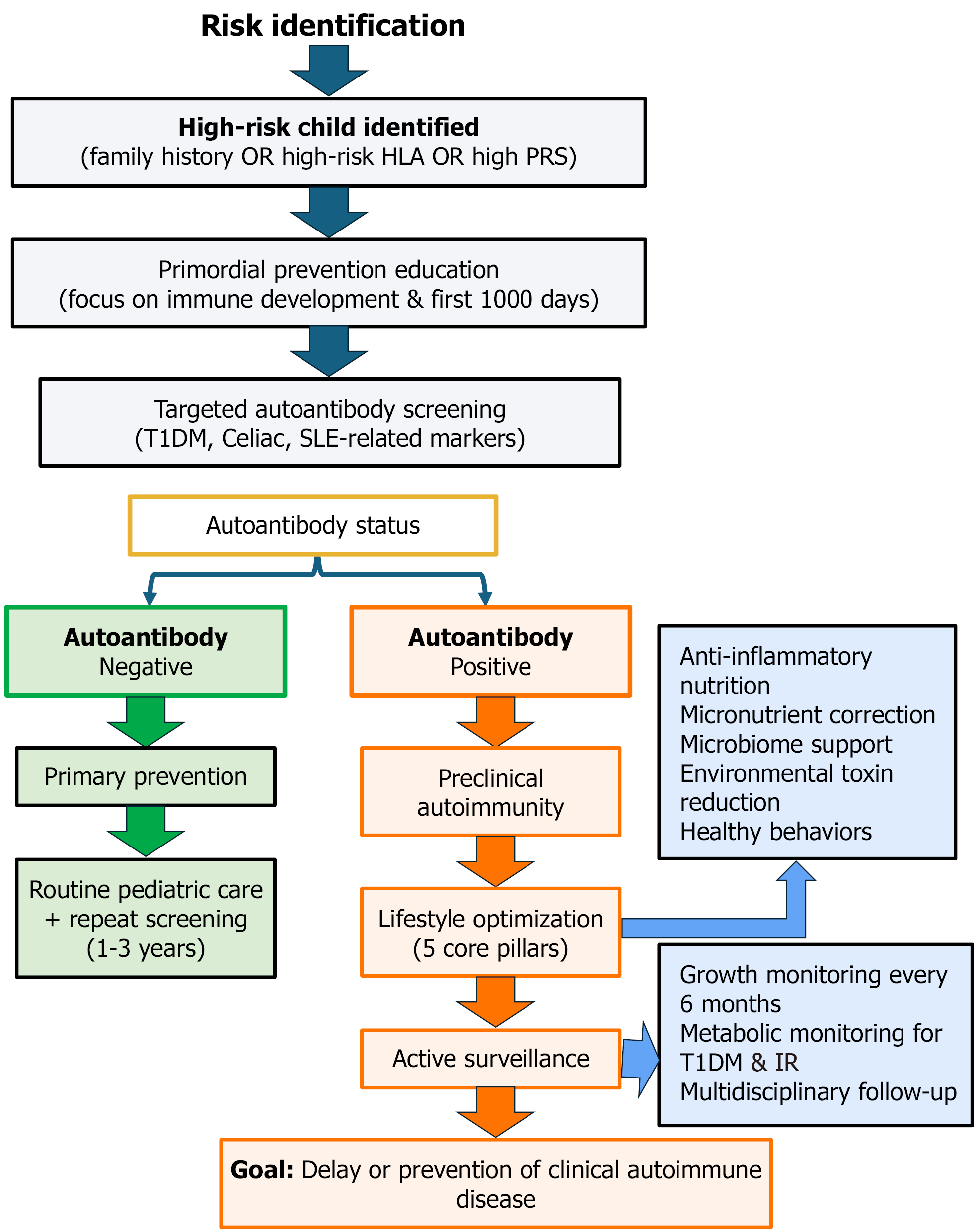
Figure 10 Clinical decision-support algorithm for lifestyle optimization in children at high risk of autoimmune disease.
This one-panel schematic illustrates a clinical decision-support algorithm for the early identification and management of children at high risk for autoimmune diseases. Children with genetic susceptibility or family history first receive primordial prevention education, followed by targeted autoantibody screening. Autoantibody-negative children continue routine care with periodic re-evaluation, whereas autoantibody-positive children enter a preclinical autoimmune pathway combining structured lifestyle optimization and active surveillance. The algorithm integrates prevention, monitoring, and multidisciplinary care with the goal of delaying or preventing progression to overt autoimmune disease. HLA: Human leukocyte antigen; PRS: Polygenic risk scores; T1DM: Type 1 diabetes mellitus; SLE: Systemic lupus erythematosus; IR: Insulin Resistance.
- Citation: Al-Beltagi M, Saeed NK, Bediwy AS, Bediwy EA, Elbeltagi R. From genes to environment: A life-course approach to prevent pediatric autoimmune diseases. World J Clin Pediatr 2026; 15(3): 117421
- URL: https://www.wjgnet.com/2219-2808/full/v15/i3/117421.htm
- DOI: https://dx.doi.org/10.5409/wjcp.117421