
















Copyright: ©Author(s) 2026.
World J Clin Pediatr. Jun 9, 2026; 15(2): 119843
Published online Jun 9, 2026. doi: 10.5409/wjcp.v15.i2.119843
Published online Jun 9, 2026. doi: 10.5409/wjcp.v15.i2.119843
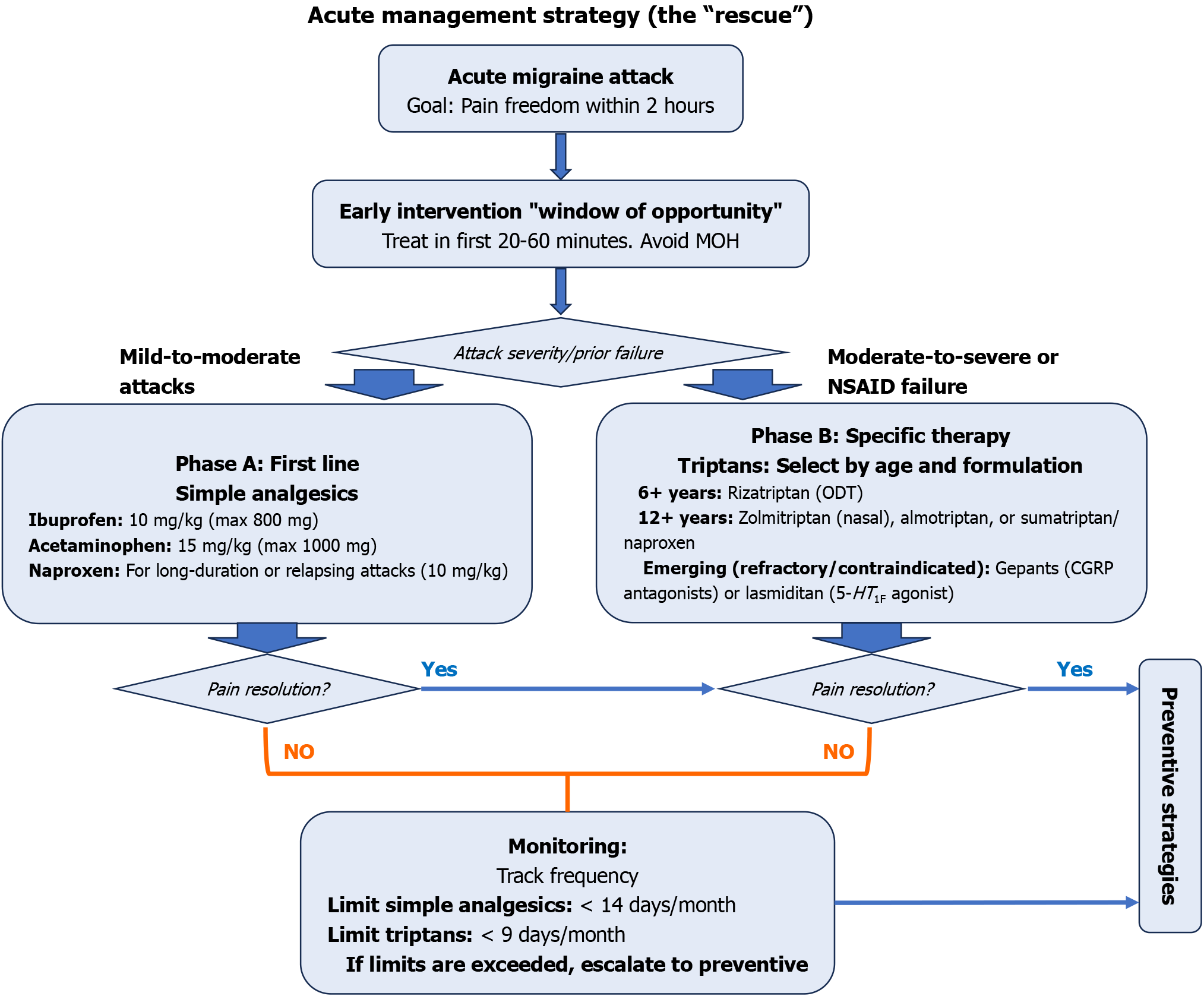
Figure 6 Algorithm for early and stratified acute management of pediatric migraine attacks.
This flow chart depicts a mechanism-informed strategy for aborting acute migraine attacks in children and adolescents, prioritizing rapid return to function. Early intervention (“window of opportunity”): Emphasizes the critical importance of administering treatment within the first 20-60 minutes of attack onset. Treating during this peripheral activation phase prevents the development of central sensitization (cutaneous allodynia), significantly increasing the success rate of abortive therapy. Stratified care approach (phase A vs phase B): Treatment selection is based on attack severity at onset or history of previous treatment response. Phase A (first line): Utilizes weight-based simple analgesics (ibuprofen, acetaminophen, naproxen) for mild-to-moderate attacks. Naproxen is highlighted for longer-duration attacks due to its half-life. Phase B (specific therapy): Utilizes triptans (age-appropriate formulations like oral disintegrating tablet or nasal spray) for moderate-to-severe attacks or as “rescue” if phase A fails within 60 minutes. Emerging therapies (gepants, ditans) are considered for patients contraindicated to or intolerant of triptans. Monitoring and medication overuse headache: The red pathway highlights the risk of medication overuse headache. Clinicians must track usage limits (≤ 14 days/month for simple analgesics, ≤ 9 days/month for triptans). Exceeding these thresholds indicates failure of the acute strategy and necessitates immediate escalation to preventive management. MOH: Medication overuse headache; NSAID: Non-steroidal anti-inflammatory drug.
- Citation: Al-Beltagi M. Pediatric migraine: Neurodevelopmental mechanisms, clinical phenotypes, and modern therapeutics. World J Clin Pediatr 2026; 15(2): 119843
- URL: https://www.wjgnet.com/2219-2808/full/v15/i2/119843.htm
- DOI: https://dx.doi.org/10.5409/wjcp.v15.i2.119843