
















Copyright: ©Author(s) 2026.
World J Clin Pediatr. Jun 9, 2026; 15(2): 119843
Published online Jun 9, 2026. doi: 10.5409/wjcp.v15.i2.119843
Published online Jun 9, 2026. doi: 10.5409/wjcp.v15.i2.119843
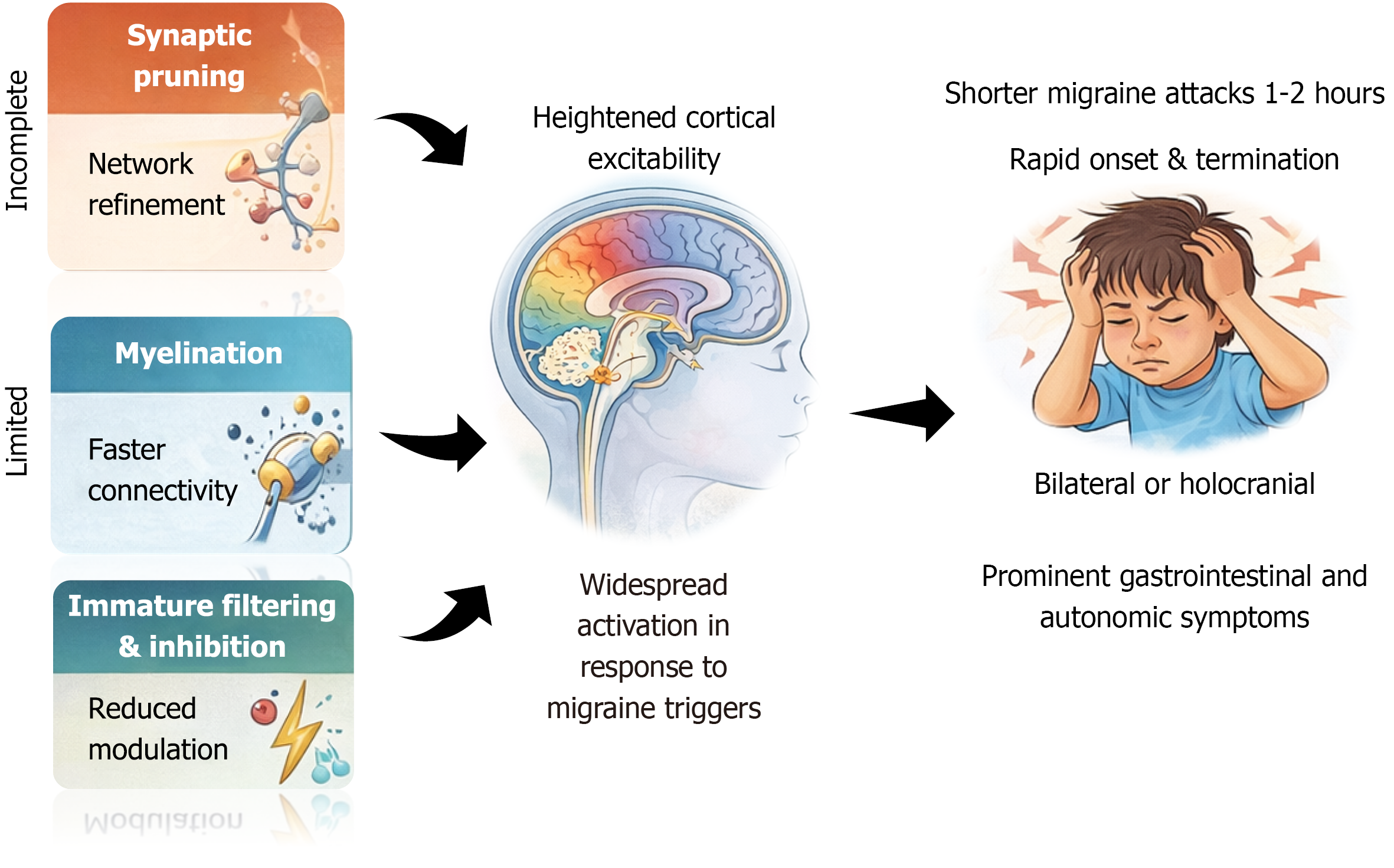
Figure 3 Neurodevelopmental maturation shapes the pediatric migraine phenotype.
This schematic summarizes how ongoing brain maturation influences the distinctive clinical expression of migraine in children and adolescents. During early childhood, incomplete synaptic pruning and limited myelination result in diffuse neural connectivity and inefficient sensory gating, predisposing to heightened cortical excitability and widespread activation in response to migraine triggers. Immature thalamocortical filtering and underdeveloped descending inhibitory pain pathways further amplify sensory input and autonomic responses. Collectively, these developmental features manifest clinically as shorter migraine attacks, predominantly bilateral or holocranial head pain, and prominent gastrointestinal and autonomic symptoms. As neurodevelopment progresses through late childhood and adolescence, refinement of synaptic networks, improved myelination, and maturation of inhibitory control promote more localized pain processing and contribute to the gradual transition toward the adult migraine phenotype.
- Citation: Al-Beltagi M. Pediatric migraine: Neurodevelopmental mechanisms, clinical phenotypes, and modern therapeutics. World J Clin Pediatr 2026; 15(2): 119843
- URL: https://www.wjgnet.com/2219-2808/full/v15/i2/119843.htm
- DOI: https://dx.doi.org/10.5409/wjcp.v15.i2.119843