
















Copyright: ©Author(s) 2026.
World J Clin Pediatr. Jun 9, 2026; 15(2): 119843
Published online Jun 9, 2026. doi: 10.5409/wjcp.v15.i2.119843
Published online Jun 9, 2026. doi: 10.5409/wjcp.v15.i2.119843
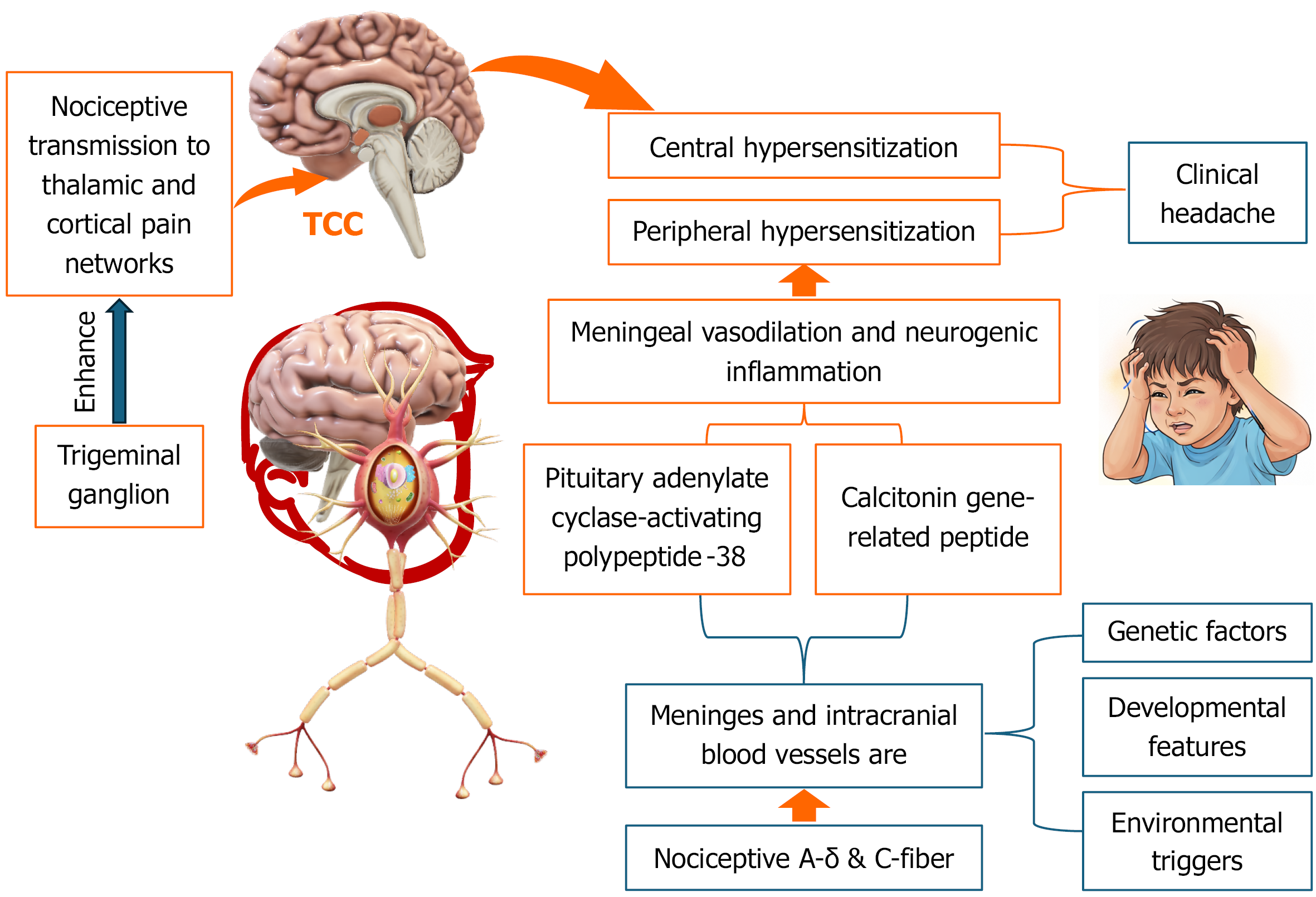
Figure 2 Trigeminovascular activation, neuropeptide signaling, and evolution of pediatric migraine headache.
Pediatric migraine headache arises from activation of the trigeminovascular system, the final common pathway for pain generation. Nociceptive A-δ and C-fibers from the trigeminal ganglion innervating the meninges and intracranial blood vessels are activated by genetic, developmental, and environmental triggers. This activation leads to the release of key neuropeptides, primarily calcitonin gene-related peptide and pituitary adenylate cyclase-activating polypeptide. Peripherally, these neuropeptides induce meningeal vasodilation and neurogenic inflammation, resulting in peripheral sensitization. Centrally, sustained signaling within the trigeminocervical complex enhances nociceptive transmission to thalamic and cortical pain networks, promoting central sensitization. The progressive amplification of trigeminovascular signaling culminates in the clinical migraine phenotype, characterized by throbbing headache, cutaneous allodynia, and prominent autonomic symptoms. Developmental factors unique to childhood and adolescence increase neuropeptide sensitivity, facilitating the transition from neurobiological activation to overt clinical headache. TCC: Trigeminocervical complex.
- Citation: Al-Beltagi M. Pediatric migraine: Neurodevelopmental mechanisms, clinical phenotypes, and modern therapeutics. World J Clin Pediatr 2026; 15(2): 119843
- URL: https://www.wjgnet.com/2219-2808/full/v15/i2/119843.htm
- DOI: https://dx.doi.org/10.5409/wjcp.v15.i2.119843