
















Copyright: ©Author(s) 2026.
World J Clin Pediatr. Jun 9, 2026; 15(2): 118495
Published online Jun 9, 2026. doi: 10.5409/wjcp.v15.i2.118495
Published online Jun 9, 2026. doi: 10.5409/wjcp.v15.i2.118495
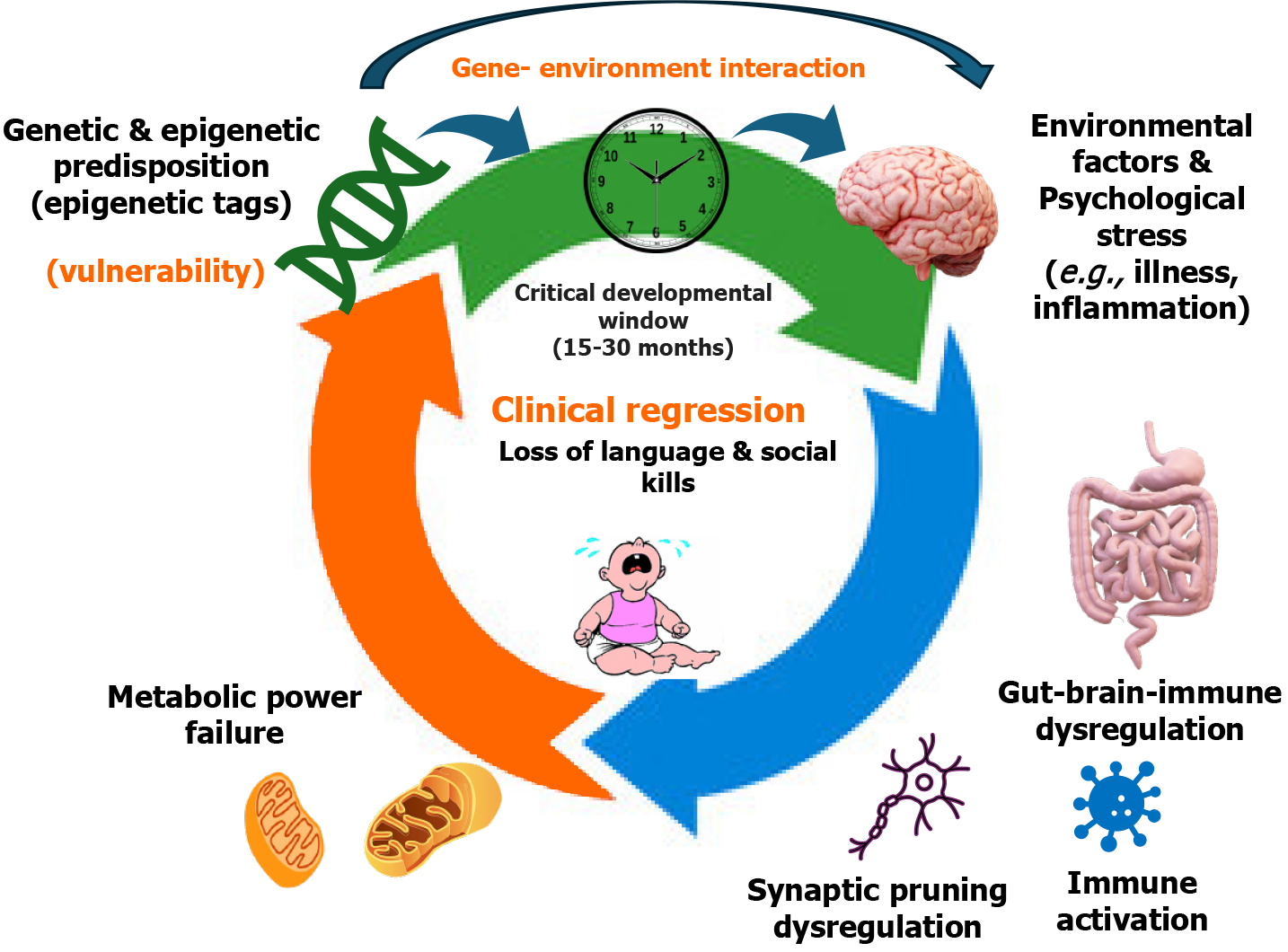
Figure 2 The multi-hit hypothesis—an integrated model of autism regression pathways.
The figure illustrates the interaction between underlying biological vulnerability and time-sensitive developmental and physiological factors. Genetic and epigenetic susceptibility provide a background risk that may remain clinically silent. During the critical developmental window of early childhood (approximately 15-30 months), increased neuroplasticity and neural reorganization may heighten sensitivity to physiological or environmental stressors. These interacting influences are proposed to converge on neurobiological systems involved in synaptic regulation, network stability, immune signaling, and cellular energy metabolism. Disruption of these systems may exceed compensatory capacity, leading to the clinical manifestation of developmental regression.
- Citation: Al-Beltagi M. Enigma of autism regression mechanistic pathways, clinical phenotypes, and early intervention implications. World J Clin Pediatr 2026; 15(2): 118495
- URL: https://www.wjgnet.com/2219-2808/full/v15/i2/118495.htm
- DOI: https://dx.doi.org/10.5409/wjcp.v15.i2.118495