
















Copyright: ©Author(s) 2026.
World J Clin Pediatr. Jun 9, 2026; 15(2): 117843
Published online Jun 9, 2026. doi: 10.5409/wjcp.v15.i2.117843
Published online Jun 9, 2026. doi: 10.5409/wjcp.v15.i2.117843
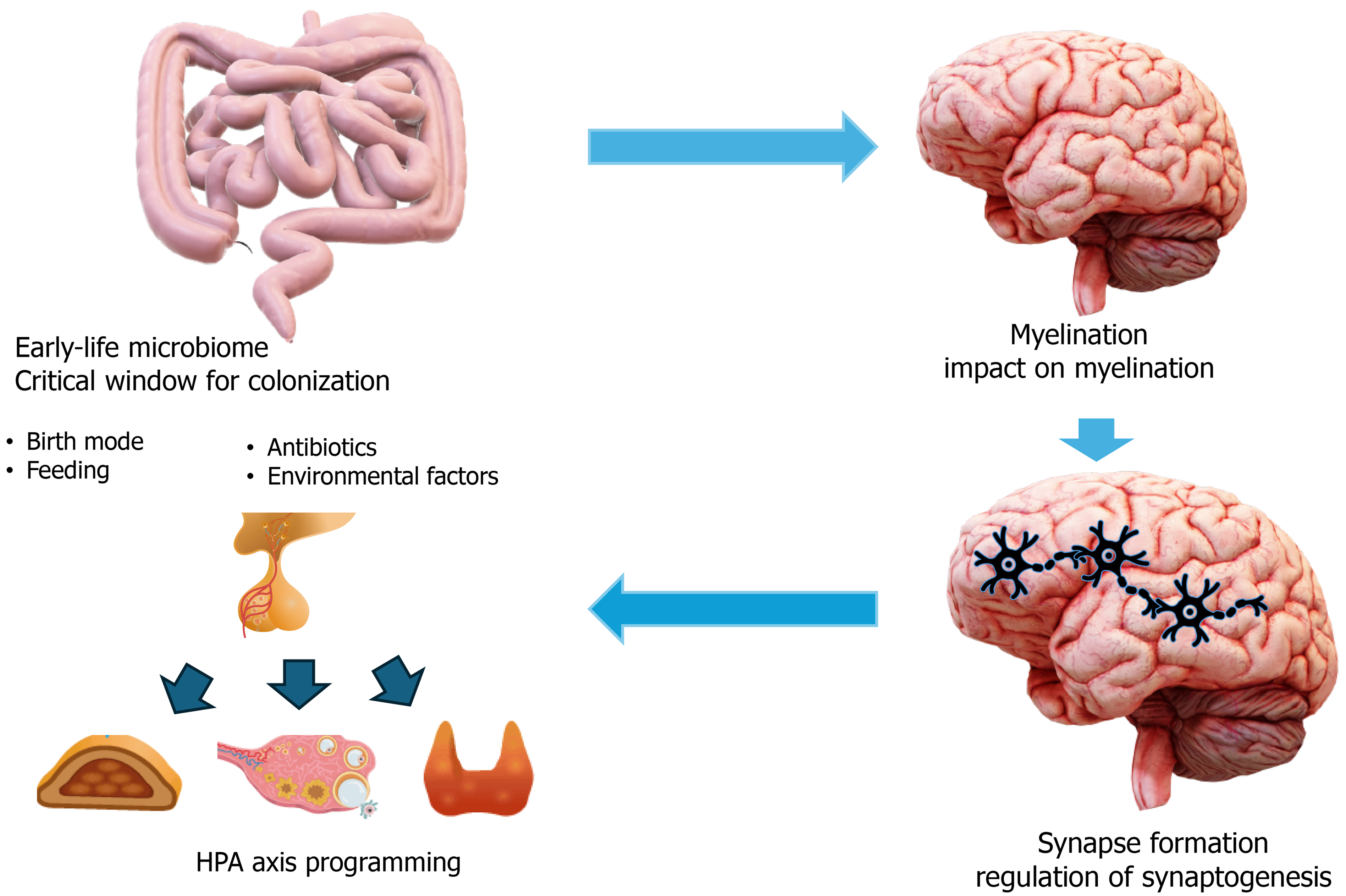
Figure 2 How the early-life microbiome shapes the developing brain.
It summarizes the major pathways through which the early-life gut microbiome influences neurodevelopment. During the critical colonization window of infancy, microbial composition is shaped by birth mode, feeding practices, antibiotic exposure, and environmental factors. These early microbial communities generate metabolites and immune signals that drive key processes in brain development. Microbiota-derived molecules support myelination by promoting oligodendrocyte maturation and white matter integrity. They also regulate synapse formation and pruning, influencing neuronal connectivity and neurotrophic signaling. In parallel, microbial cues help program the hypothalamic-pituitary-adrenal axis, establishing lifelong patterns of stress responsiveness. Together, these interconnected pathways demonstrate how disruption of the early microbiome – such as through inflammation, dysbiosis, or antibiotic exposure – can alter neurodevelopmental trajectories and increase vulnerability to long-term cognitive and behavioral impairments.
- Citation: Al-Beltagi M, Saeed NK, El-Sawaf Y, Bediwy AS, Elbeltagi R. Early-life gastrointestinal inflammation and the developing brain: Unravelling the pathways to long-term cognitive dysfunction. World J Clin Pediatr 2026; 15(2): 117843
- URL: https://www.wjgnet.com/2219-2808/full/v15/i2/117843.htm
- DOI: https://dx.doi.org/10.5409/wjcp.v15.i2.117843