
















Copyright: ©Author(s) 2026.
World J Clin Pediatr. Jun 9, 2026; 15(2): 117843
Published online Jun 9, 2026. doi: 10.5409/wjcp.v15.i2.117843
Published online Jun 9, 2026. doi: 10.5409/wjcp.v15.i2.117843
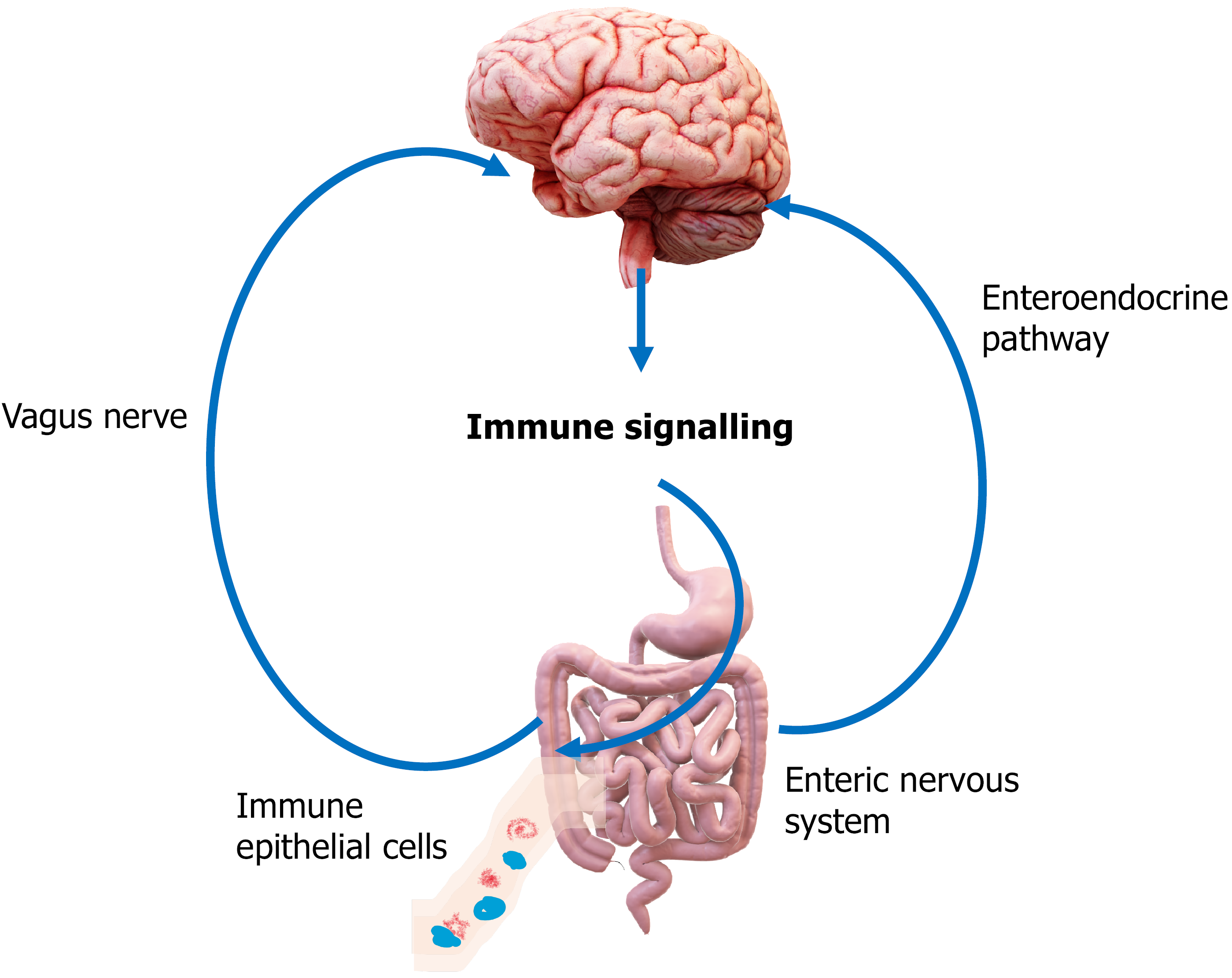
Figure 1 The gut-brain axis in early life: Neural, immune, and endocrine pathways linking the developing intestine and brain.
It illustrates the major communication pathways that constitute the gut-brain axis during early life, a period marked by rapid maturation of both the gastrointestinal and central nervous systems. The neural pathway is represented by the vagus nerve and the enteric nervous system, which relay signals from the intestinal lumen to the brainstem and modulate autonomic responses. The immune pathway shows how cytokines, microbial products, and antigen-presenting cell activity transmit inflammatory or regulatory signals across the systemic circulation to influence microglial activation and neurodevelopment. The endocrine and enteroendocrine pathway highlights gut-derived hormones and metabolites – such as glucagon-like peptide-1, serotonin, and short-chain fatty acids – that modulate brain function, appetite regulation, stress responses, and neuronal maturation. Together, these interconnected routes form a dynamic bidirectional system that shapes neurodevelopmental outcomes in infancy.
- Citation: Al-Beltagi M, Saeed NK, El-Sawaf Y, Bediwy AS, Elbeltagi R. Early-life gastrointestinal inflammation and the developing brain: Unravelling the pathways to long-term cognitive dysfunction. World J Clin Pediatr 2026; 15(2): 117843
- URL: https://www.wjgnet.com/2219-2808/full/v15/i2/117843.htm
- DOI: https://dx.doi.org/10.5409/wjcp.v15.i2.117843