
















Copyright: ©Author(s) 2026.
World J Clin Pediatr. Jun 9, 2026; 15(2): 117274
Published online Jun 9, 2026. doi: 10.5409/wjcp.v15.i2.117274
Published online Jun 9, 2026. doi: 10.5409/wjcp.v15.i2.117274
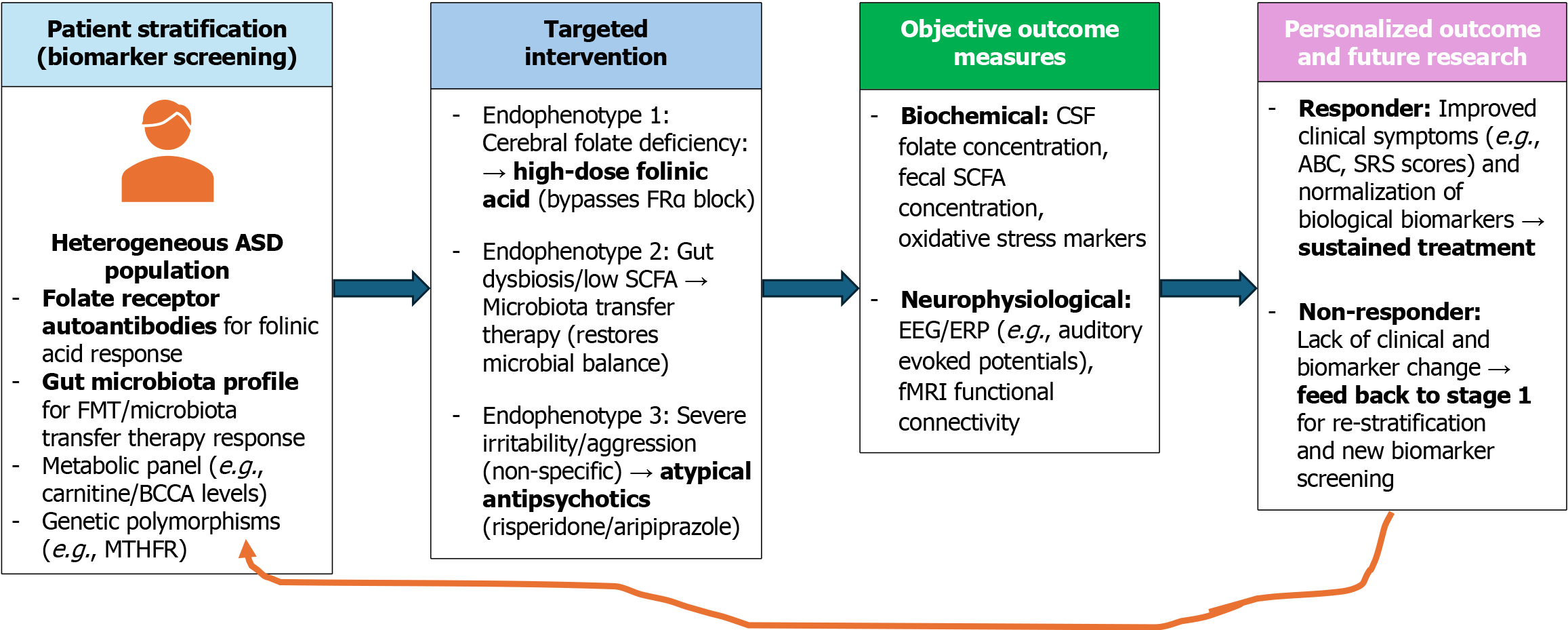
Figure 5 The translational precision medicine pipeline for medical management of autism spectrum disorder.
This figure illustrates the proposed precision-medicine framework for autism spectrum disorder, demonstrating how biomarker-based stratification can guide individualized medical treatment. The pipeline begins with Patient Stratification, where children with autism spectrum disorder undergo biomarker screening, including folate receptor-α autoantibodies (predicting folinic acid response), gut microbiota composition (predicting response to microbiota transfer therapy/fecal microbiota transplantation), metabolic panels (e.g., carnitine, branched-chain amino acids levels), and relevant genetic polymorphisms (e.g., methylenetetrahydrofolate reductase variants). These biomarkers identify biologically meaningful endophenotypes within the heterogeneous autism spectrum disorder population. The second stage, targeted intervention, maps each endophenotype to a mechanism-driven therapy - for example, folinic acid for cerebral folate deficiency, microbiota transfer therapy for gut dysbiosis/Low short-chain fatty acids states, and atypical antipsychotics for severe irritability/aggression. The third stage, objective outcome measures, emphasizes the use of biological markers such as cerebrospinal fluid folate levels, fecal short-chain fatty acids concentrations, and electroencephalography/functional magnetic resonance imaging signatures to monitor treatment response, moving beyond reliance on subjective scales (e.g., Aberrant Behavior Checklist, Childhood Autism Rating Scale). The pipeline concludes with personalized outcome and future research, showing that responders experience symptom improvement and enhanced quality of life, whereas non-responders re-enter the pipeline for re-evaluation. This model highlights how biomarker-driven stratification can enable mechanism-based, individualized treatments in autism spectrum disorder. ASD: Autism spectrum disorder; FMT: Fecal microbiota transplantation; BCAA: Branched-chain amino acids; MTHFR: Methylenetetrahydrofolate reductase; FRα: Folate receptor alpha; SCFA: Short-chain fatty acids; CSF: Cerebrospinal fluid; EEG: Electroencephalography; ERP: Event-related potential; ABC: Aberrant Behavior Checklist; SRS: Social Responsiveness Scale.
- Citation: Elbeltagi YM, Abd Rab El Rasool AO, Elkashlan AM, Al-Beltagi M. Medical treatment of autism spectrum disorder in children: Current evidence, controversies, and clinical challenges. World J Clin Pediatr 2026; 15(2): 117274
- URL: https://www.wjgnet.com/2219-2808/full/v15/i2/117274.htm
- DOI: https://dx.doi.org/10.5409/wjcp.v15.i2.117274