















Copyright: ©Author(s) 2026.
World J Clin Pediatr. Jun 9, 2026; 15(2): 117274
Published online Jun 9, 2026. doi: 10.5409/wjcp.v15.i2.117274
Published online Jun 9, 2026. doi: 10.5409/wjcp.v15.i2.117274
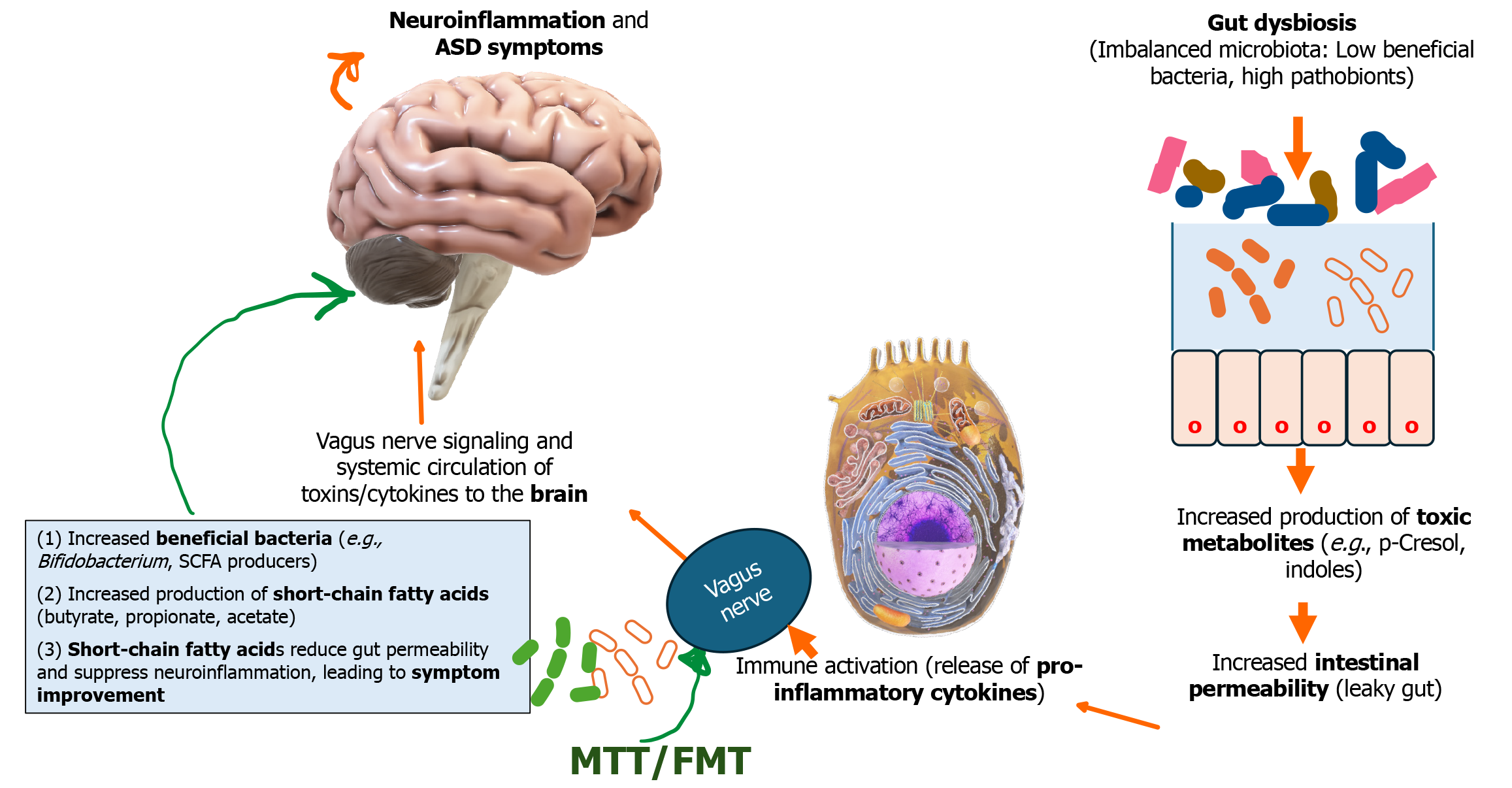
Figure 4 The microbiota-gut-brain axis in autism spectrum disorder and the mechanism of microbiota transfer therapy (microbiota transfer therapy/fecal microbiota transplantation).
This figure depicts the pathophysiological disturbances of the microbiota-gut-brain axis observed in autism spectrum disorder and illustrates how microbiota transfer therapy (microbiota transfer therapy/fecal microbiota transplantation) may reverse these abnormalities. In autism spectrum disorder, gut dysbiosis - characterized by reduced beneficial bacteria and increased pathobionts - leads to elevated production of harmful metabolites (e.g., p-cresol, indoles) and contributes to increased intestinal permeability (“leaky gut”). This allows microbial metabolites and inflammatory mediators to cross the intestinal barrier, triggering immune activation and the release of pro-inflammatory cytokines. Through both systemic circulation and vagal-nerve signaling, these immune and metabolic disturbances reach the brain, promoting neuroinflammation and exacerbating autism spectrum disorder symptoms. The therapeutic pathway shows how microbiota transfer therapy/fecal microbiota transplantation introduces a healthier and more diverse microbial community into the gut. This intervention increases beneficial bacteria, enhances production of short-chain fatty acids such as butyrate, propionate, and acetate, and helps restore intestinal barrier integrity. Short-chain fatty acids exert anti-inflammatory effects locally and centrally, ultimately reducing neuroinflammation and supporting symptom improvement. The figure highlights how a mechanism-based intervention can target a specific autism spectrum disorder endophenotype (gut dysbiosis/Low short-chain fatty acids state), illustrating the precision-medicine rationale for microbiota-directed therapies. ASD: Autism spectrum disorder; MTT: Microbiota transfer therapy; FMT: Fecal microbiota transplantation; SCFA: Short-chain fatty acids.
- Citation: Elbeltagi YM, Abd Rab El Rasool AO, Elkashlan AM, Al-Beltagi M. Medical treatment of autism spectrum disorder in children: Current evidence, controversies, and clinical challenges. World J Clin Pediatr 2026; 15(2): 117274
- URL: https://www.wjgnet.com/2219-2808/full/v15/i2/117274.htm
- DOI: https://dx.doi.org/10.5409/wjcp.v15.i2.117274