
















Copyright: ©Author(s) 2026.
World J Orthop. Mar 18, 2026; 17(3): 115770
Published online Mar 18, 2026. doi: 10.5312/wjo.v17.i3.115770
Published online Mar 18, 2026. doi: 10.5312/wjo.v17.i3.115770
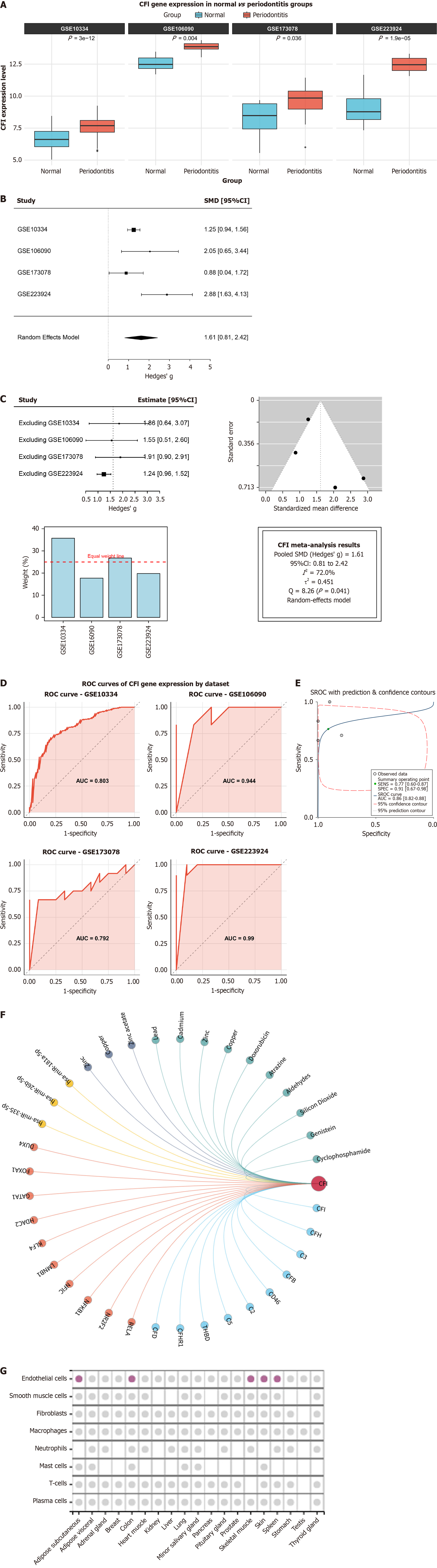
Figure 4 Exploration of clinical significance and biological mechanisms of complement factor I.
A: Validation of complement factor I (CFI) upregulation in four independent periodontitis datasets; B and C: The analysis results indicate a large pooled effect size, with a Hedges’ g value of 1.61 (95%CI: 0.81-2.42). Heterogeneity tests indicated substantial heterogeneity among the studies (I2 = 72.0%, τ2 = 0.451). The leave-one-out sensitivity analysis confirmed the robustness of this pooled result. No significant publication bias was detected by Egger’s linear regression test (P = 0.217); D: Receiver operating characteristic (ROC) curve evaluating the discriminatory capability of CFI for periodontitis; E: Summary ROC (sROC) curve with a composite area under the curve of 0.86; F: CFI-centered multi-level regulatory network showing interactions with miRNAs, transcription factors, lncRNAs, and compounds; G: Human protein atlas validation of CFI protein expression localized primarily in endothelial cells.
- Citation: Man YN, Zhong LY, Wen YL, He ML. Machine learning identifies complement factor I as a shared mediator of periodontitis and ossification of posterior longitudinal ligament. World J Orthop 2026; 17(3): 115770
- URL: https://www.wjgnet.com/2218-5836/full/v17/i3/115770.htm
- DOI: https://dx.doi.org/10.5312/wjo.v17.i3.115770