
















©The Author(s) 2025.
World J Orthop. Nov 18, 2025; 16(11): 110155
Published online Nov 18, 2025. doi: 10.5312/wjo.v16.i11.110155
Published online Nov 18, 2025. doi: 10.5312/wjo.v16.i11.110155
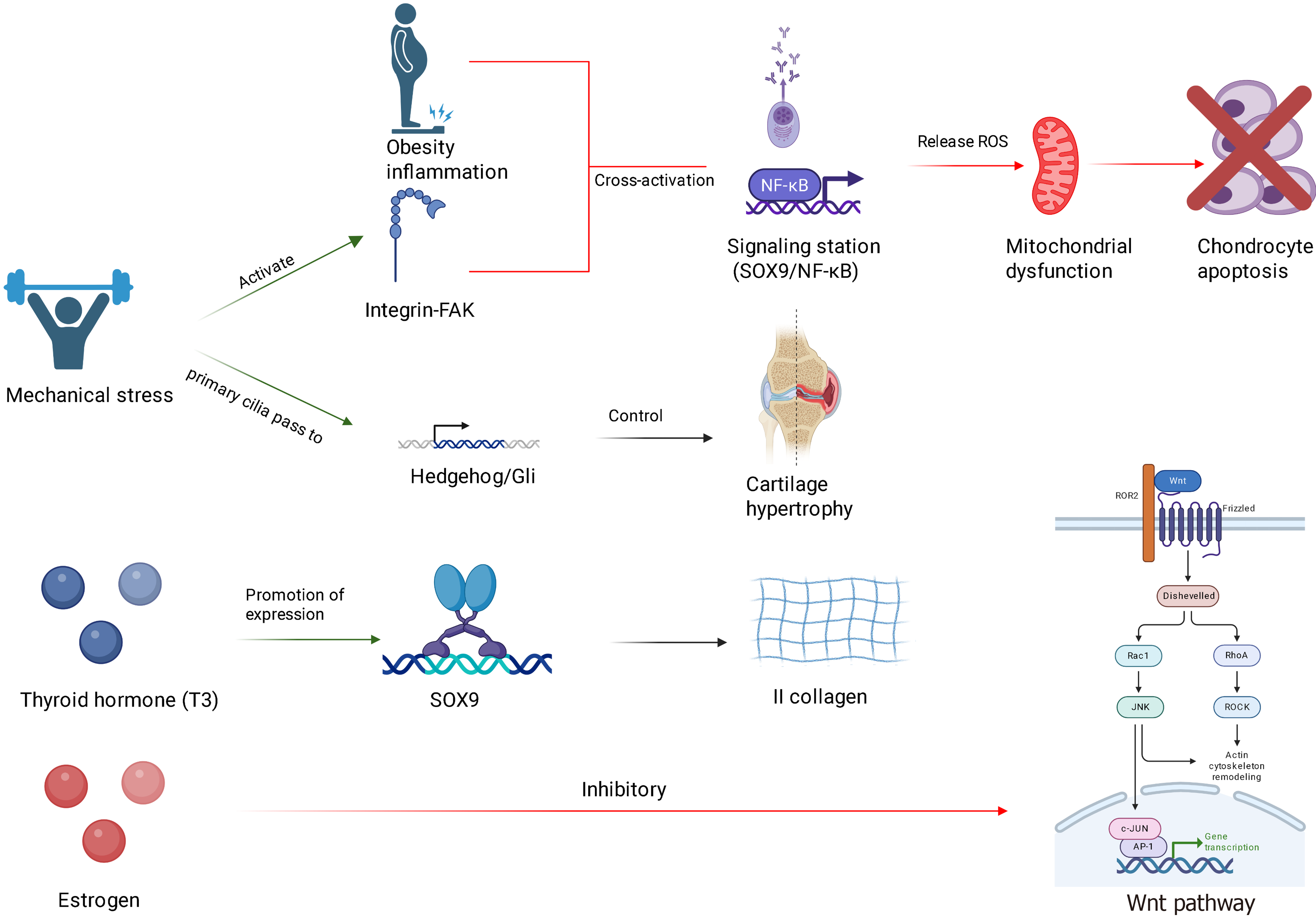
Figure 2 Molecular pathways potentially involved in the pathogenesis of slipped capital femoral epiphysis.
NF-κB: Nuclear factor kappa B; FAK: Focal adhesion kinase; SOX9: SRY-box transcription factor 9; ROS: Reactive oxygen species; ROR2: Receptor tyrosine kinase-like orphan receptor 2; Rac1: Ras-related C3 botulinum toxin substrate 1; RhoA: Ras homolog family member A; ROCK: Rho-associated protein kinase; JNK: C-Jun N-terminal kinase; c-JUN: Cellular Jun N-terminal kinase substrate; AP-1: Activator protein 1.
- Citation: Chen YF, Ning K, Xie YY, Liu C, Ding YT, Tang ZW, Wen J, Xiao S, Li YF. Internal diseases and molecular mechanisms causing slipped capital femoral epiphysis in children. World J Orthop 2025; 16(11): 110155
- URL: https://www.wjgnet.com/2218-5836/full/v16/i11/110155.htm
- DOI: https://dx.doi.org/10.5312/wjo.v16.i11.110155