
















Copyright: ©Author(s) 2026.
World J Gastrointest Pharmacol Ther. Jun 5, 2026; 17(2): 118616
Published online Jun 5, 2026. doi: 10.4292/wjgpt.v17.i2.118616
Published online Jun 5, 2026. doi: 10.4292/wjgpt.v17.i2.118616
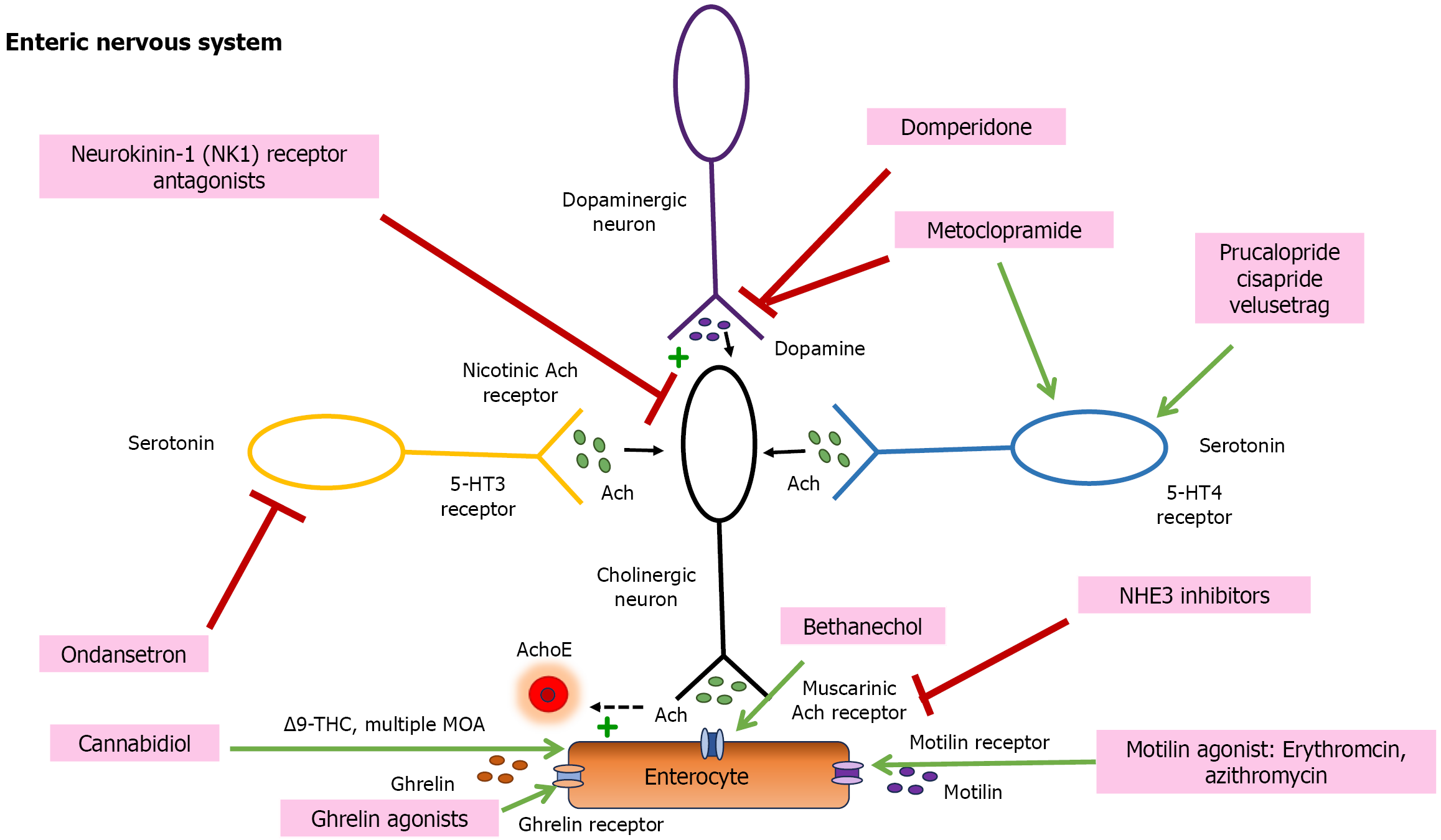
Figure 1 Enteric nervous system targets for prokinetic therapy.
Schematic showing key enteric neurotransmitter pathways regulating gastrointestinal motility. Dopamine inhibits acetylcholine release and is blocked by D2 antagonists (metoclopramide, domperidone), while serotonergic signaling via 5-hydroxytryptamine type 4 receptor agonists (prucalopride, cisapride, velusetrag) enhances cholinergic activity. Cholinergic, motilin, and ghrelin pathways, along with neurokinin-1 receptor antagonists, sodium-hydrogen exchanger 3 inhibitors, and cannabinoid signaling, collectively modulate enteric motor function. 5-HT3: 5-Hydroxytryptamine type 3 receptor; 5-HT4: 5-Hydroxytryptamine type 4 receptor; Ach: Acetylcholine; AChE: Acetylcholinesterase; MOA: Mechanism of action; NHE3: Sodium-hydrogen exchanger 3; NK1: Neurokinin-1 receptor; Δ9-THC: Delta-9-tetrahydrocannabinol.
- Citation: Goyal O, Chowdhary R, Sehgal T, Joshi T, Bhambri A, Rampurawala IM, Sohi GS, Das A, Arora K, Vuthaluru AR, Goyal MK. Evolving prokinetic therapy: New targets and therapeutic opportunities in gastrointestinal motility disorders. World J Gastrointest Pharmacol Ther 2026; 17(2): 118616
- URL: https://www.wjgnet.com/2150-5349/full/v17/i2/118616.htm
- DOI: https://dx.doi.org/10.4292/wjgpt.v17.i2.118616