
















©The Author(s) 2026.
World J Gastrointest Pharmacol Ther. Mar 5, 2026; 17(1): 112640
Published online Mar 5, 2026. doi: 10.4292/wjgpt.v17.i1.112640
Published online Mar 5, 2026. doi: 10.4292/wjgpt.v17.i1.112640
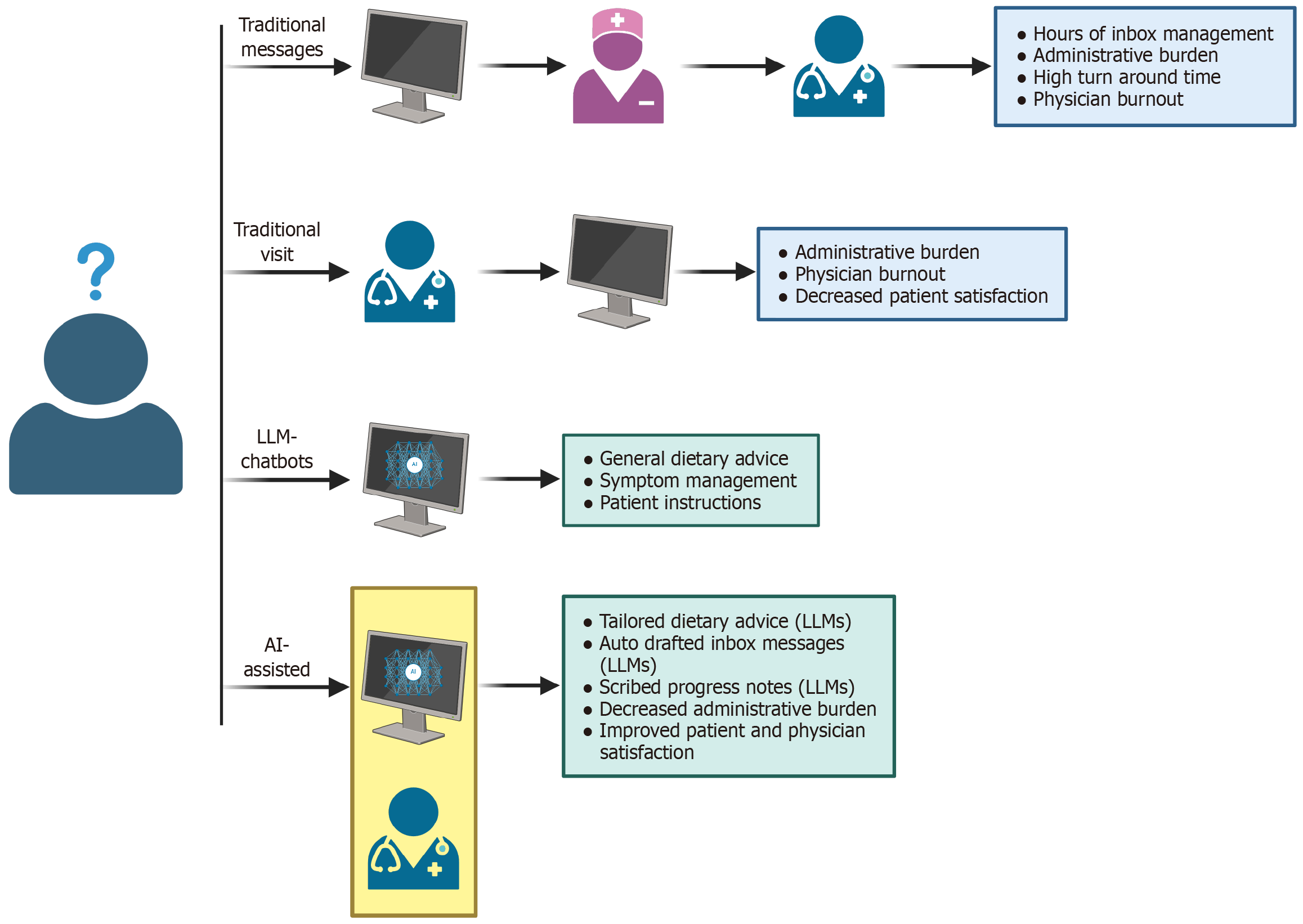
Figure 2 Limitations of traditional management of administrative duties and potential improvements with applications of artificial intelligence.
Figure created with BioRender.com (https://BioRender.com/ygwivmn). In traditional inflammatory bowel disease management, patients may send clinicians messages, that are normally screened by ancillary staff, prior to a response from a clinician. During clinic visits, clinicians are often multi-tasking to improve efficiency. This often leads to increased staff burnout, patient dissatisfaction, and high administrative burden. In an artificial intelligence (AI)-assisted model, patients may be able to use chatbots to answer basic questions about their disease. If they require more specific advice, patients may send clinicians messages, with responses being AI-generated with clinician oversight for accuracy. During AI-assisted appointments, notes are written by AI-assisted technology, decreasing administrative burden. This may lead to improvements in clinician and patient satisfaction. AI: Artificial intelligence; LLM: Large language model.
- Citation: Bilotta AJ, Trebilcock JA, Hebda NJ, Sasan CK, Cooper KM, Rupawala AH. Artificial intelligence in the management of inflammatory bowel disease: What’s next? World J Gastrointest Pharmacol Ther 2026; 17(1): 112640
- URL: https://www.wjgnet.com/2150-5349/full/v17/i1/112640.htm
- DOI: https://dx.doi.org/10.4292/wjgpt.v17.i1.112640