











©The Author(s) 2025.
World J Gastrointest Pharmacol Ther. Dec 5, 2025; 16(4): 110827
Published online Dec 5, 2025. doi: 10.4292/wjgpt.v16.i4.110827
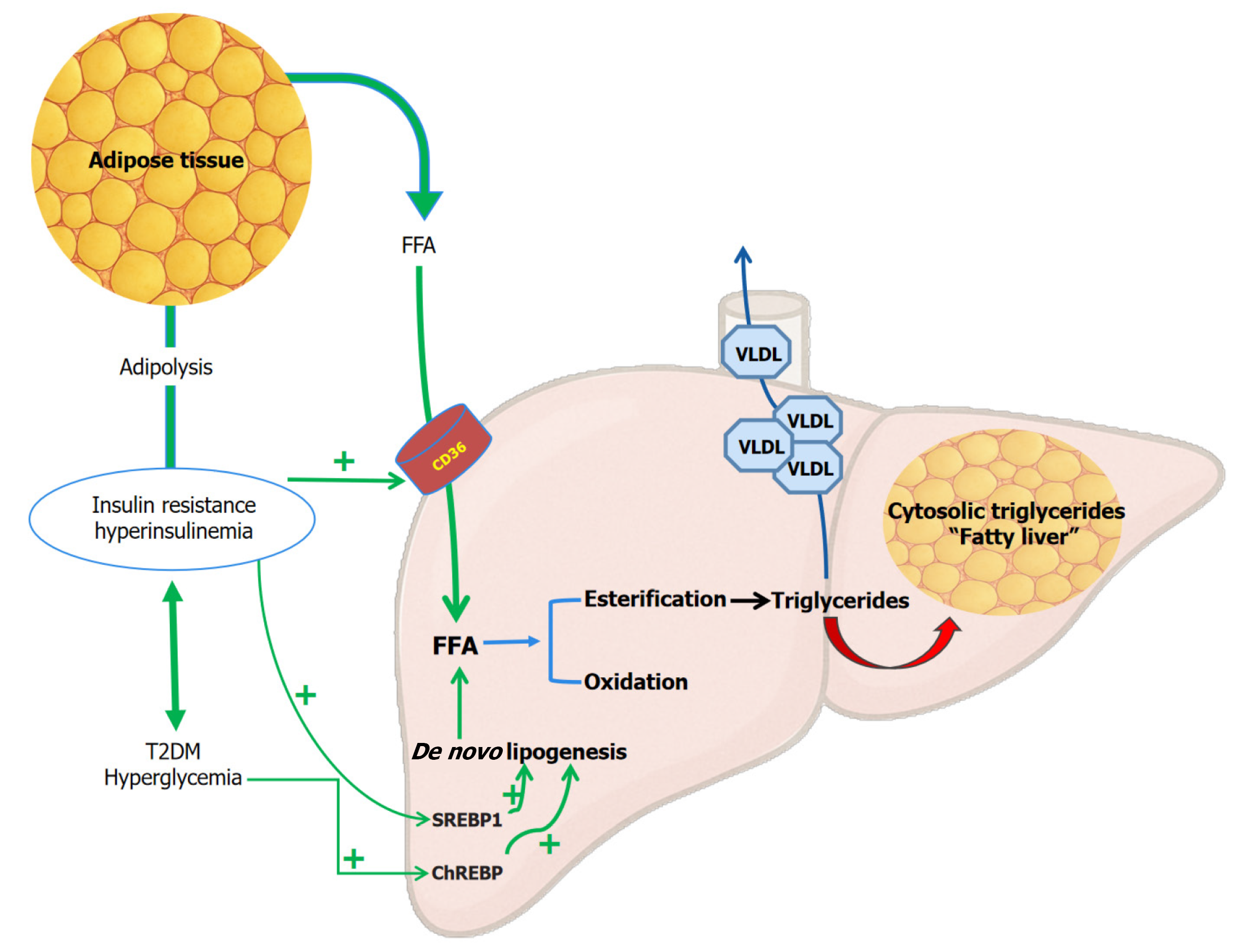
Figure 2 Insulin resistance and metabolic dysfunction-associated steatotic liver disease/metabolic dysfunction-associated stea tohepatitis.
Insulin resistance promotes adipolysis, culminating in a flux of circulating free fatty acids (FFA). Within the liver, FFAs are esterified to form triglycerides, which are deposited in the hepatocyte cytosol, leading to hepatic steatosis. Alternatively, they interact with apolipoproteins to form very low-density lipoproteins. The free fatty acids also undergo fatty acid oxidation, primarily in the mitochondria. Insulin resistance is associated with mitochondrial dysfunction and reduced hepatic fatty acid oxidation. The hyperinsulinemia and hyperglycemia, in the setting of insulin resistance, further enhance hepatic de novo lipogenesis via sterol regulatory element-binding protein 1 and carbohydrate response element binding protein, respectively. FFA: Free fatty acids; T2DM: Type 2 diabetes mellitus; VLDL: Very-low-density lipoprotein.
- Citation: Zacharia GS, Ashraf MH, Sosa F, Jacob A, Patel H. Quick glance at 'metabolic dysfunction associated steatotic liver disease' therapeutics: Targets, trials, and trends. World J Gastrointest Pharmacol Ther 2025; 16(4): 110827
- URL: https://www.wjgnet.com/2150-5349/full/v16/i4/110827.htm
- DOI: https://dx.doi.org/10.4292/wjgpt.v16.i4.110827