
















©The Author(s) 2025.
World J Gastrointest Pharmacol Ther. Dec 5, 2025; 16(4): 110271
Published online Dec 5, 2025. doi: 10.4292/wjgpt.v16.i4.110271
Published online Dec 5, 2025. doi: 10.4292/wjgpt.v16.i4.110271
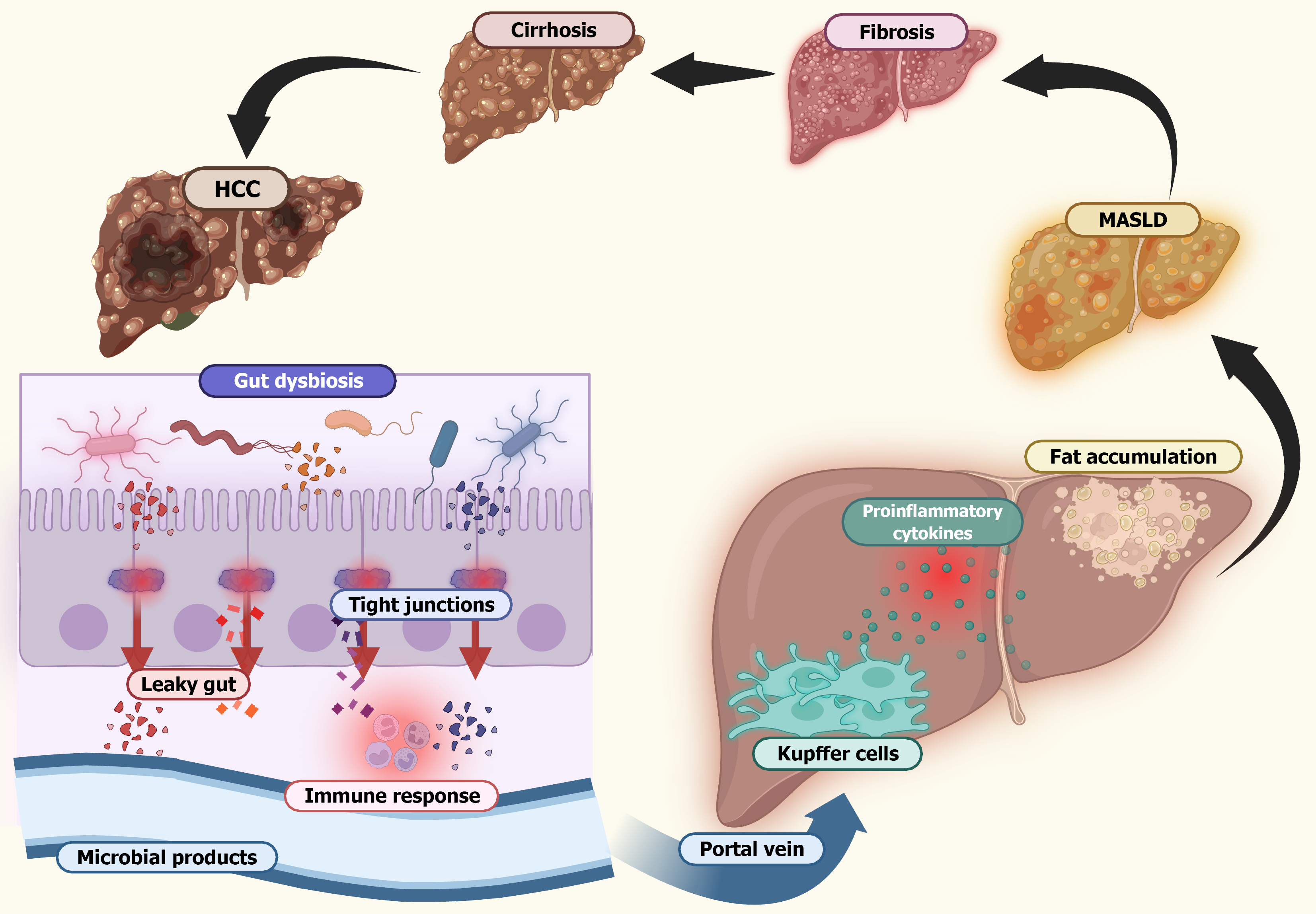
Figure 4 Liver damage progression in gut dysbiosis.
This illustration describes the sequence of events linking gut dysbiosis to progressive liver damage. Disruption of the gut microbiota leads to mucus layer depletion and loss of intestinal barrier integrity, resulting in a leaky gut. This facilitates microbial translocation and increases the production of microbial metabolites such as endotoxins. These microbial products enter the portal circulation and reach the liver where they activate Kupffer cells and stimulate the release of proinflammatory cytokines. The resulting chronic inflammation promotes hepatic fat accumulation and initiates fibrotic processes. Over time this inflammatory cascade drives the progression from metabolic dysfunction-associated steatotic liver disease to more severe forms of liver injury, including fibrosis, cirrhosis, and ultimately hepatocellular carcinoma. MASLD: Metabolic dysfunction-associated steatotic liver disease; HCC: Hepatocellular carcinoma.
- Citation: Vargas-Beltran AM, Mialma-Omana SJ, Vivanco-Tellez DO. Targeting gut microbiota in liver disease: A pharmacological approach for hepatic encephalopathy and beyond. World J Gastrointest Pharmacol Ther 2025; 16(4): 110271
- URL: https://www.wjgnet.com/2150-5349/full/v16/i4/110271.htm
- DOI: https://dx.doi.org/10.4292/wjgpt.v16.i4.110271